20 Simple Changes That May Help You Fall Asleep Faster

Most people who struggle to fall asleep at night are not dealing with a serious sleep disorder — they are dealing with a collection of small, fixable habits and environmental factors that are keeping their nervous system just alert enough to prevent the transition into sleep from happening naturally. Sleep onset is not something you can force; it is something your brain and body do automatically when the right conditions are present, and the entire science of sleep improvement essentially comes down to identifying and creating those conditions consistently every night. The difference between lying awake for 90 minutes and drifting off within 15 is almost never about willpower or trying harder — it is about understanding what your nervous system needs in order to feel safe, cool, calm, and chemically ready to switch off.
20 Simple Habit Changes That May Help You Fall Asleep Faster :
1. Spray lavender essential oil on your pillow before bed

Lavender contains a compound called linalool that when inhaled activates the parasympathetic nervous system by binding to GABA receptors in the brain — the same calming pathway that sleep medications target — producing a measurable reduction in heart rate, blood pressure, and neural arousal within minutes of exposure.
2. Stop using your phone at least one hour before bed

Blue light from screens suppresses melatonin production by up to 50 percent, pushing your natural sleep timing back by one to two hours without you realizing it. Beyond the light, the content keeps your brain emotionally and cognitively engaged at exactly the time it needs to be winding down. Putting the phone in another room entirely removes both problems simultaneously.
3. Get bright natural light within 30 minutes of waking

Your circadian clock is set each morning by light exposure, and getting sunlight early anchors your body clock so that melatonin begins releasing at the correct time that evening. People who spend their mornings in dim indoor environments delay this signal and find it harder to feel genuinely sleepy at a reasonable hour. Five to ten minutes outside after waking is enough to make a real difference.
4. Stop arguing, having difficult conversations, or making important decisions after 9pm

The brain’s emotional regulation center — the prefrontal cortex — shows measurably reduced activity in the evening as part of the natural circadian wind-down, which means that difficult conversations, stressful decisions, and emotional conflicts handled late at night produce a disproportionately intense stress response compared to the same situations handled earlier in the day.
5. Take a warm shower 90 minutes before bed

A warm shower raises skin temperature, and when you step into a cooler room afterward your core temperature drops rapidly — and this drop is one of the key physiological triggers for sleep onset. Timing this 90 minutes before your target bedtime aligns the temperature drop with your sleep window in a way that reliably shortens the time it takes to fall asleep. Multiple clinical studies support this as one of the most effective non-pharmaceutical sleep interventions available.
6. Cut caffeine off before noon if sleep is a struggle

Caffeine has a half-life of five to seven hours, meaning an afternoon coffee still has significant stimulating activity in your system at bedtime. Even when you feel like caffeine does not affect you, it is still blocking the adenosine receptors responsible for building sleep pressure throughout the day. Moving your caffeine cutoff earlier is one of the fastest changes that produces visible results within just a few days.
7. Go to bed and wake at the same time every day including weekends
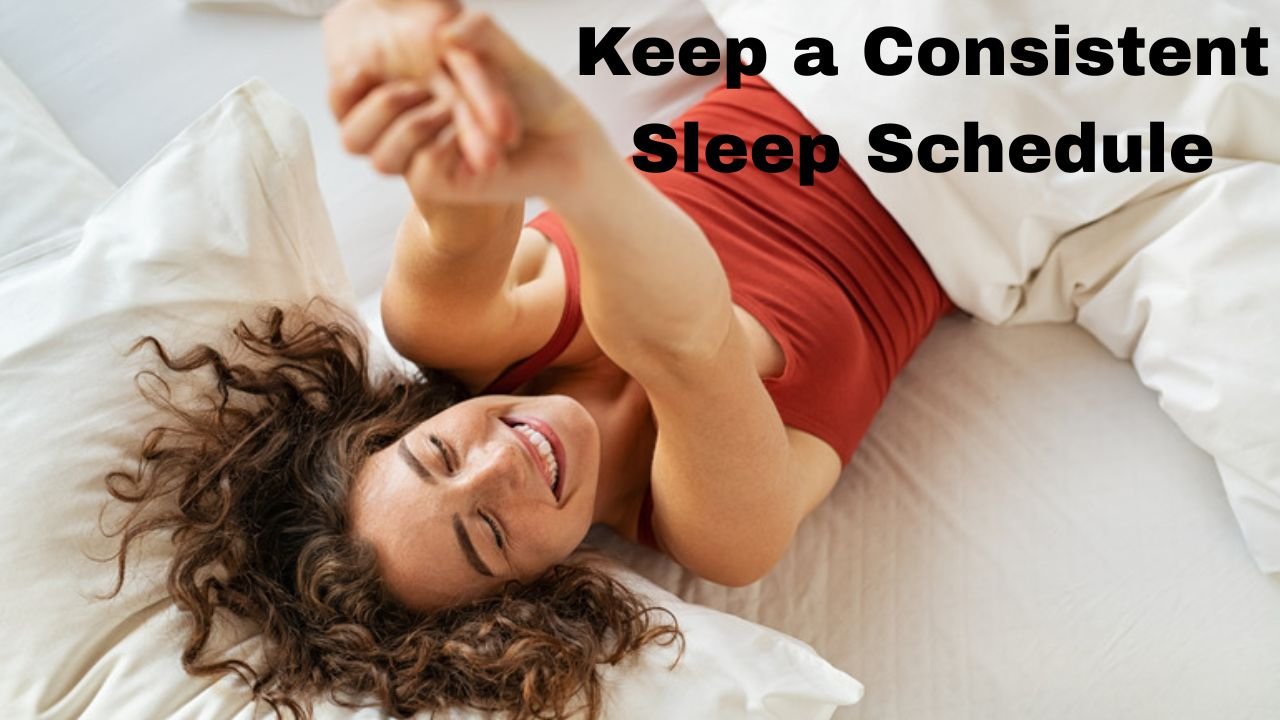
Your circadian rhythm prepares your body for sleep by releasing melatonin and dropping core temperature at a consistent time — but only if your schedule gives it a reliable anchor. Varying your sleep and wake times by even 90 minutes on weekends is enough to disrupt this rhythm for the entire following week. Consistency matters more than total hours for the reliability of sleep onset.
8. Take a short walk outside after dinner at night
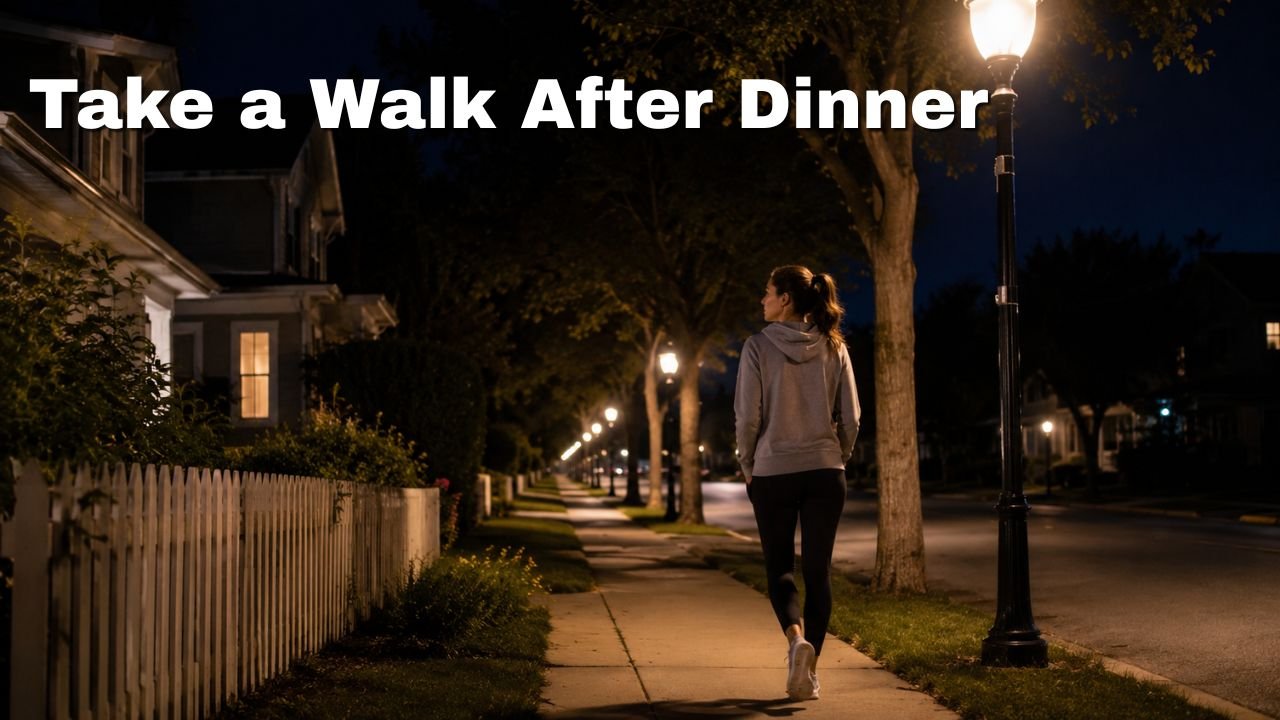
A gentle 10 to 15 minute walk taken 60 to 90 minutes after dinner accelerates the natural drop in core body temperature that triggers sleep onset, helps metabolize the cortisol accumulated from the day, and exposes the eyes to the gradually dimming natural darkness of night that reinforces the circadian signal that sleep time is approaching.
9. Try the 4-7-8 breathing technique

Inhale for four counts, hold for seven, exhale slowly for eight — and repeat this cycle four times. This breathing pattern activates the parasympathetic nervous system, lowers heart rate, and shifts the body out of the low-level stress state that prevents sleep onset. Most people who practice this consistently notice they rarely reach the fourth cycle before drifting off.
10. Avoid eating within two hours of bedtime
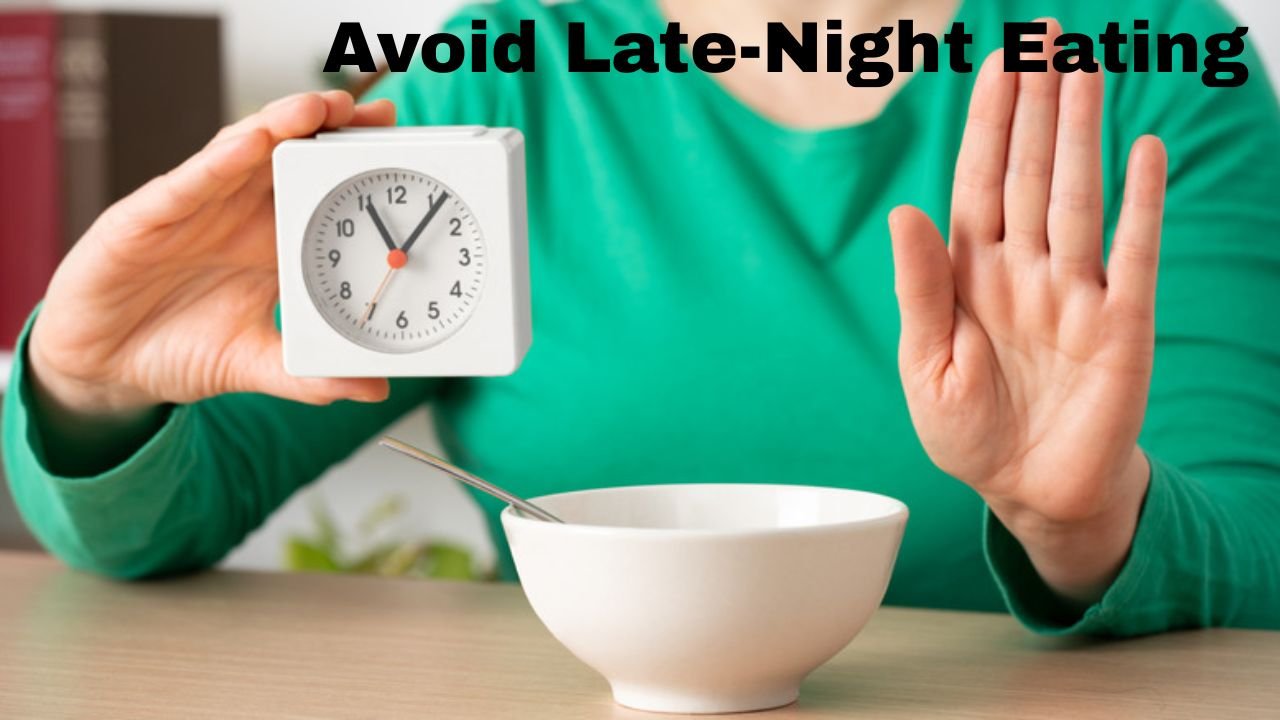
Digestion is an active process that raises core body temperature and keeps metabolism elevated at exactly the time your body needs to be cooling down and slowing down. Large meals close to bedtime also increase acid reflux risk, which fragments sleep even in people who do not experience obvious heartburn symptoms. Moving your last meal earlier is a simple structural change that improves both sleep onset and sleep depth.
11. Keep your bedroom completely dark
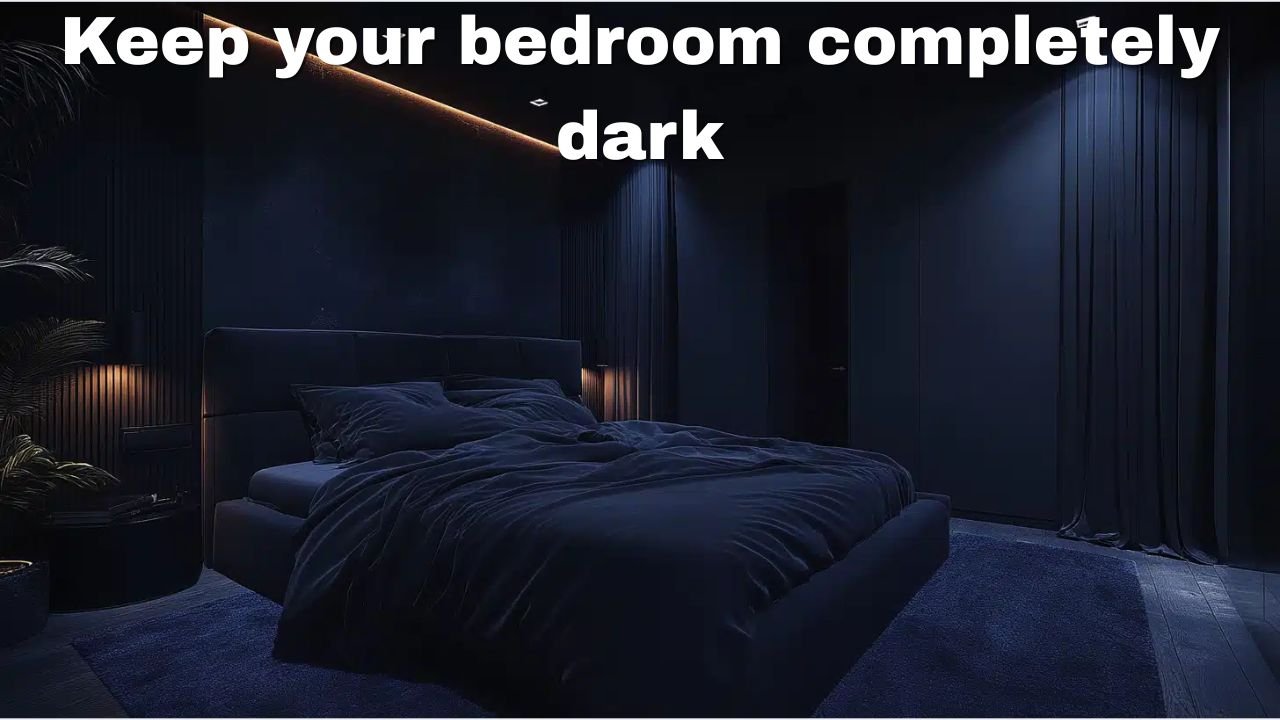
Even small amounts of light from streetlights, phone chargers, or standby indicators are detected by the eyes during sleep and can suppress melatonin and lighten sleep stages. Blackout curtains or a sleep mask create the level of darkness that signals to the brain that it is genuinely nighttime and safe to enter deep sleep. People who add blackout curtains often report this as one of the most impactful single changes they have made for sleep quality.
12. Avoid alcohol within three hours of sleep

Alcohol helps you fall asleep faster but severely disrupts sleep architecture, suppressing REM sleep and causing a rebound effect in the second half of the night that fragments sleep and causes early waking. Many people using alcohol to wind down are unknowingly trading faster sleep onset for significantly lower quality sleep overall. Eliminating alcohol in the hours before bed produces noticeably deeper and more restful sleep within just a few nights.
13. Do ten minutes of gentle stretching before bed

Light stretching activates the parasympathetic nervous system, releases the physical tension stored in muscles throughout the day, and signals to the body that the day’s demands are finished. It does not need to be a full yoga session — ten minutes of slow, gentle movement targeting the neck, shoulders, hips, and lower back is enough to produce a meaningful shift in physical and mental relaxation. Many people who add this habit find they feel genuinely ready for sleep by the time they finish.
14. Lower the lighting in your home after sunset

Bright overhead lighting in the evening suppresses melatonin in the same way screens do, keeping your brain in a daytime alertness state well into the night. Switching to lamps, dimmer switches, or warm low-intensity lighting after sunset allows melatonin to rise naturally as the evening progresses. This environmental shift, combined with reduced screen use, creates an evening that biologically resembles the gradual darkening your nervous system evolved to respond to.
15. Avoid clock-watching when trying to fall asleep
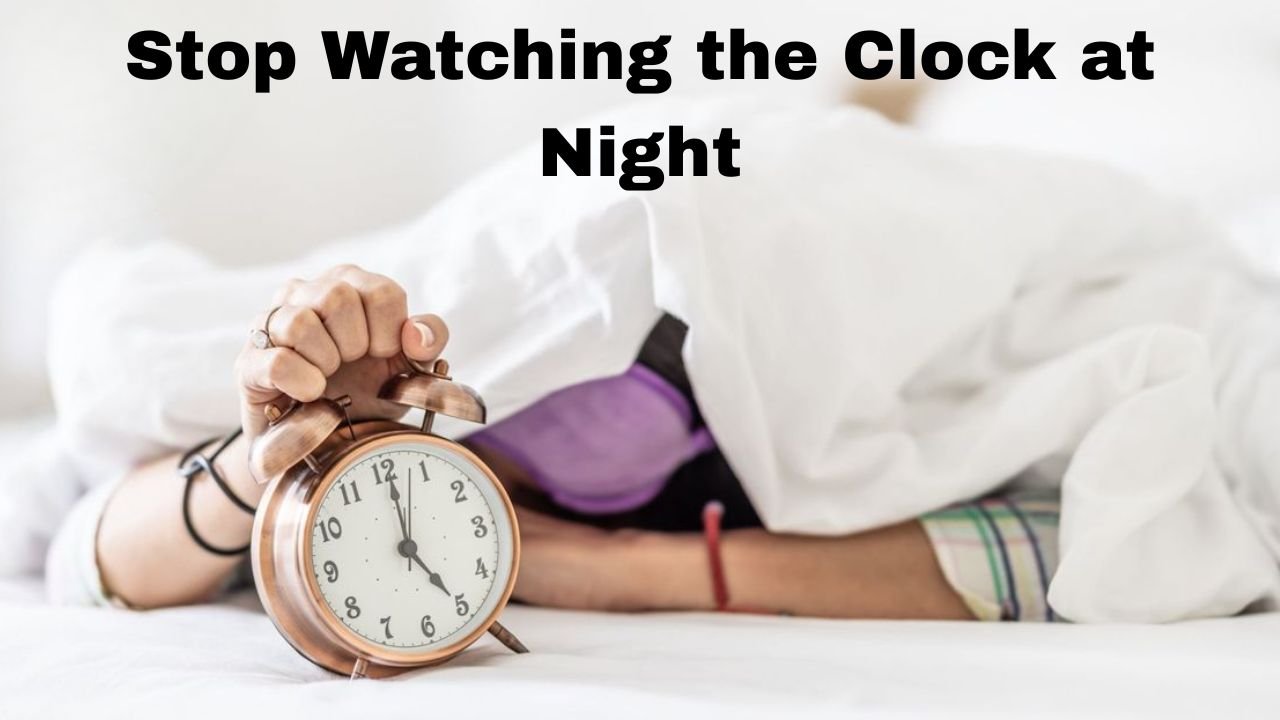
Repeatedly checking the time while trying to fall asleep activates the prefrontal cortex and triggers performance anxiety around sleep, creating a stress response that directly prevents the very thing you are trying to achieve. Turning your clock away from view or removing it from the bedroom entirely eliminates this feedback loop. Most people who stop monitoring the time fall asleep faster simply because the anxiety of watching minutes pass is removed.
16. Listen to slow, non-lyrical music or brown noise

Slow instrumental music at around 60 beats per minute has been shown to synchronize with the heart rate and slow it down, while brown or pink noise masks unpredictable environmental sounds that cause micro-arousals during light sleep stages. Unlike silence, which some people find uncomfortably alerting, a consistent gentle sound gives the brain a neutral focal point that reduces the tendency to generate its own stimulating thoughts.
17. Get out of bed if you have been awake for more than 20 minutes

Lying in bed awake for extended periods builds a strong association between the bed and wakefulness that makes the problem progressively worse over time. The evidence-backed approach is to get up, go to another room, do something calm in dim light, and return only when you feel genuinely sleepy again. This feels counterintuitive but consistently produces faster sleep onset over time by breaking the conditioned arousal that prolonged wakefulness in bed creates.
18. Reduce fluid intake in the two hours before bed
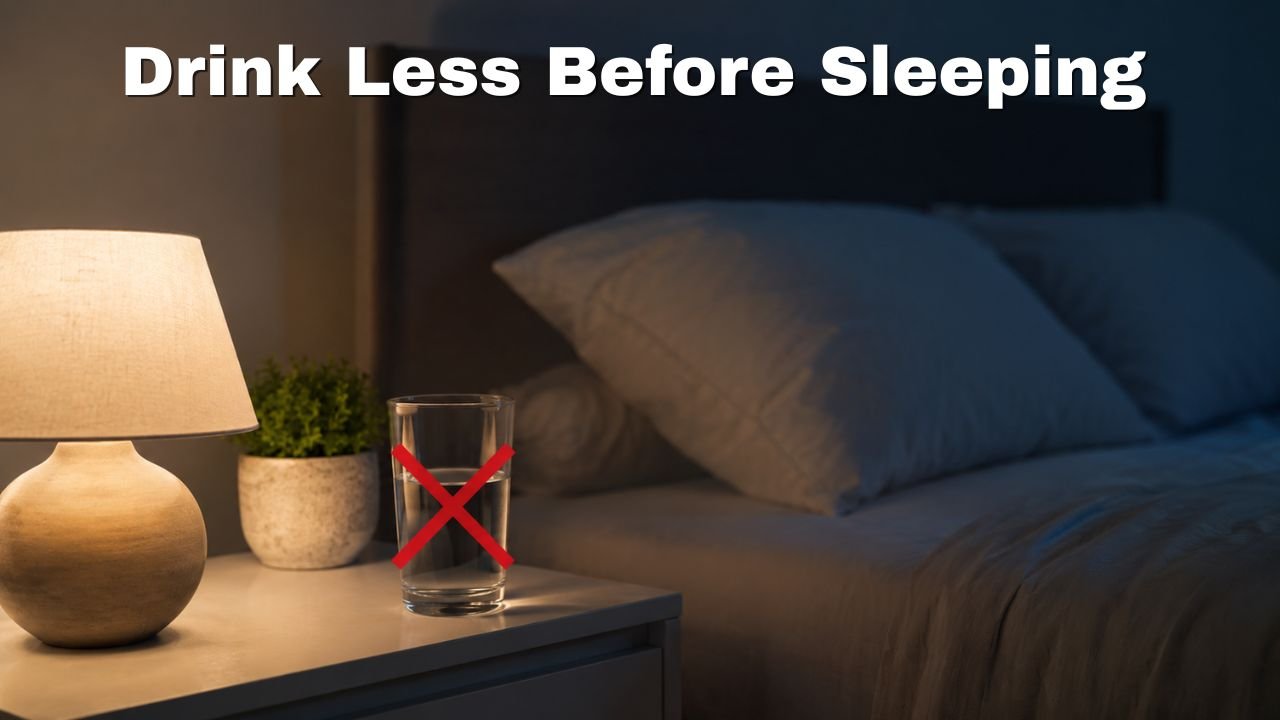
Waking to urinate is one of the most common causes of fragmented sleep, and for most people it is entirely preventable by shifting the bulk of daily fluid intake to earlier in the day. Finishing most of your water consumption by early evening and limiting fluids to small sips after dinner significantly reduces nighttime bathroom trips. This is particularly impactful for people over 40 whose bladders become more responsive to nighttime filling with age.
19. Try magnesium glycinate before bed

Magnesium plays a direct role in regulating the nervous system and activating the GABA receptors responsible for calming brain activity before sleep, and deficiency — which is extremely common — is directly associated with difficulty falling and staying asleep. Magnesium glycinate is the most bioavailable and gentlest form, and taking 200 to 400 milligrams about an hour before bed is the approach most consistently associated with improved sleep onset in people with deficiency. Many people notice a difference within the first week of consistent use.
20. Repeat a simple mental counting technique while lying down
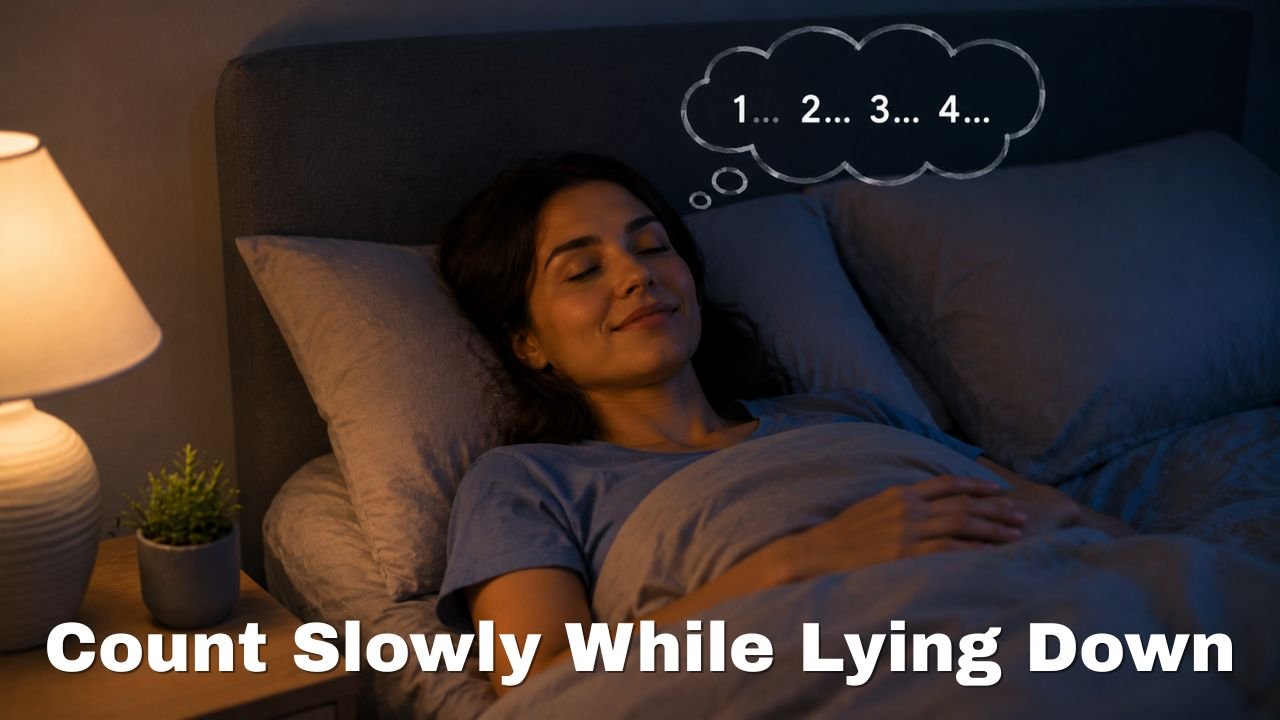
Counting slowly backward from 300 in multiples of three — 300, 297, 294 and so on — occupies just enough of the prefrontal cortex to prevent it from generating the anxious, repetitive thought loops that keep people awake, while being mentally unstimulating enough that the brain naturally drifts toward sleep before reaching any significantly low number. This technique was originally developed by military sleep researchers working with soldiers who needed to fall asleep rapidly in high-stress environments.
Disclaimer:
This article is for informational purposes only and is not a substitute for professional medical advice, diagnosis, or treatment. If you are experiencing chronic insomnia or a suspected sleep disorder, please consult a qualified healthcare provider before making significant changes to your routine. Always seek guidance from a licensed medical professional for any personal health concerns.