The Hidden Daily Habit That Is Quietly Increasing Your Anxiety
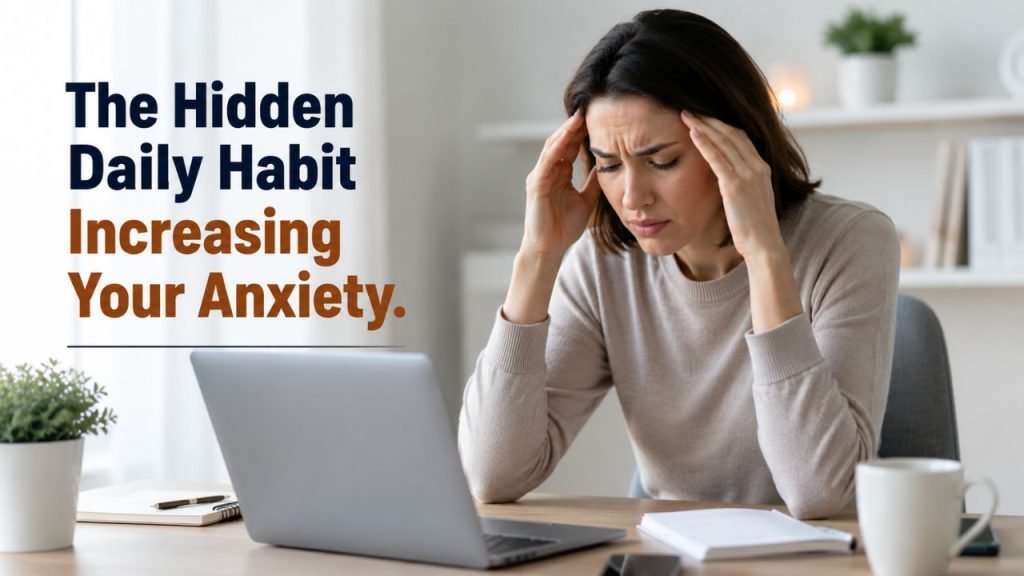
Anxiety is one of those conditions that most people attribute to big life events — a difficult relationship, financial pressure, a stressful job — but what research increasingly shows is that the most damaging contributors to chronic anxiety are not the dramatic moments but the small, invisible habits repeated dozens of times every single day without a second thought. Your nervous system does not distinguish between a genuine threat and a low-level chronic stressor; it responds to both by keeping your body in a state of heightened alertness, elevated cortisol, and suppressed calm — and when that state never fully switches off, anxiety becomes your baseline rather than an occasional response. The average person today is unknowingly doing ten to fifteen things every day that directly feed this cycle, from the moment they wake up to the moment they try to fall asleep.
20 Hidden Daily Habits That Are Quietly Increasing Your Anxiety
1. Checking your phone within the first five minutes of waking up
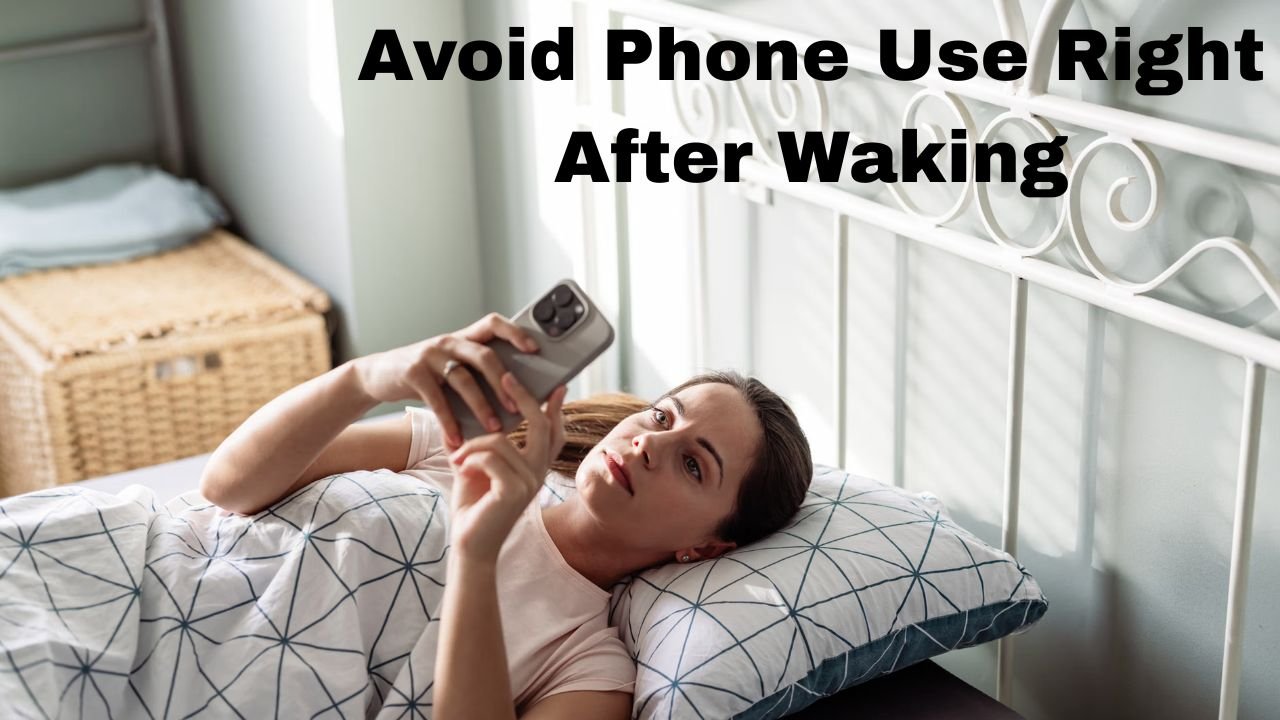
Starting your day by immediately scanning emails, news, and social media puts your brain into a reactive state before it has had any time to orient itself calmly to the morning. Your cortisol levels are naturally at their highest in the first 30 to 45 minutes after waking — a phenomenon called the cortisol awakening response — and flooding your nervous system with information, comparisons, and potential stressors during this window amplifies that cortisol spike significantly.
2. Consuming news and social media continuously throughout the day
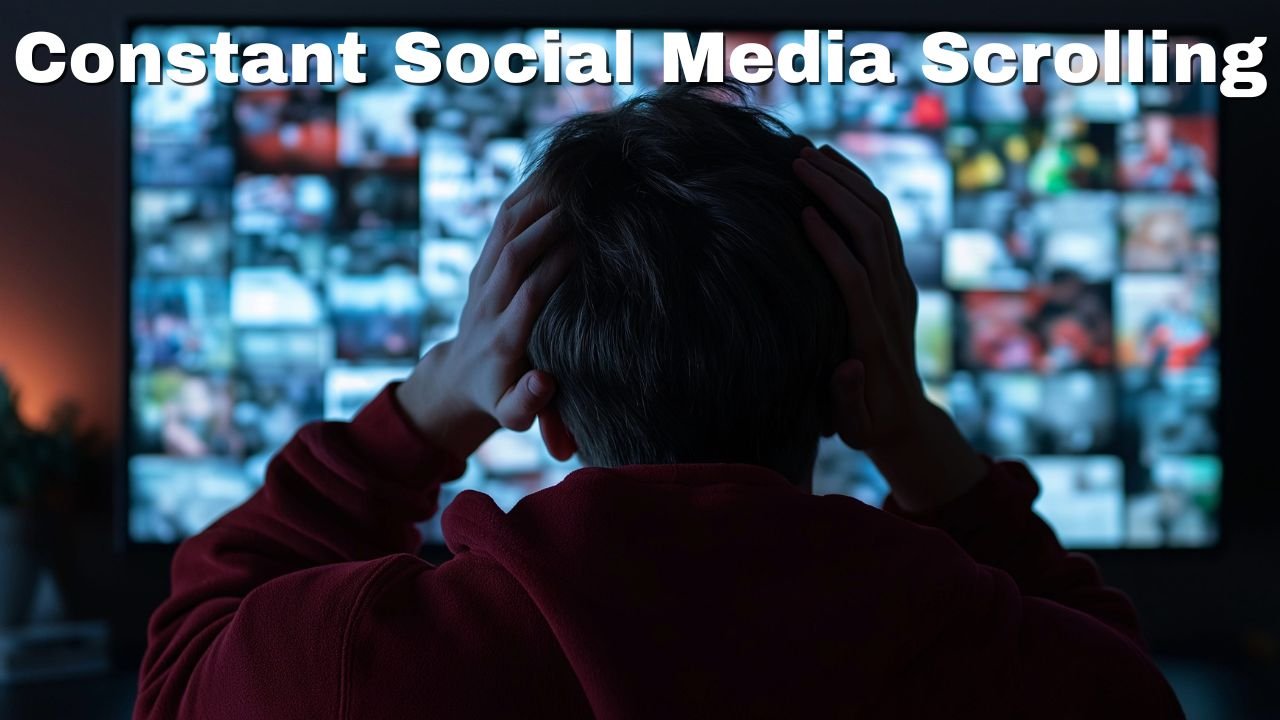
The human nervous system was never designed to process the volume of threatening, distressing, and emotionally charged information that a modern news feed delivers on a continuous loop throughout the day. Each alarming headline or conflict-heavy social media post triggers a small stress response, and when these responses happen dozens of times a day without resolution, the nervous system stays in a low-level state of threat detection that is functionally identical to anxiety.
3. Living with chronic low-grade dehydration
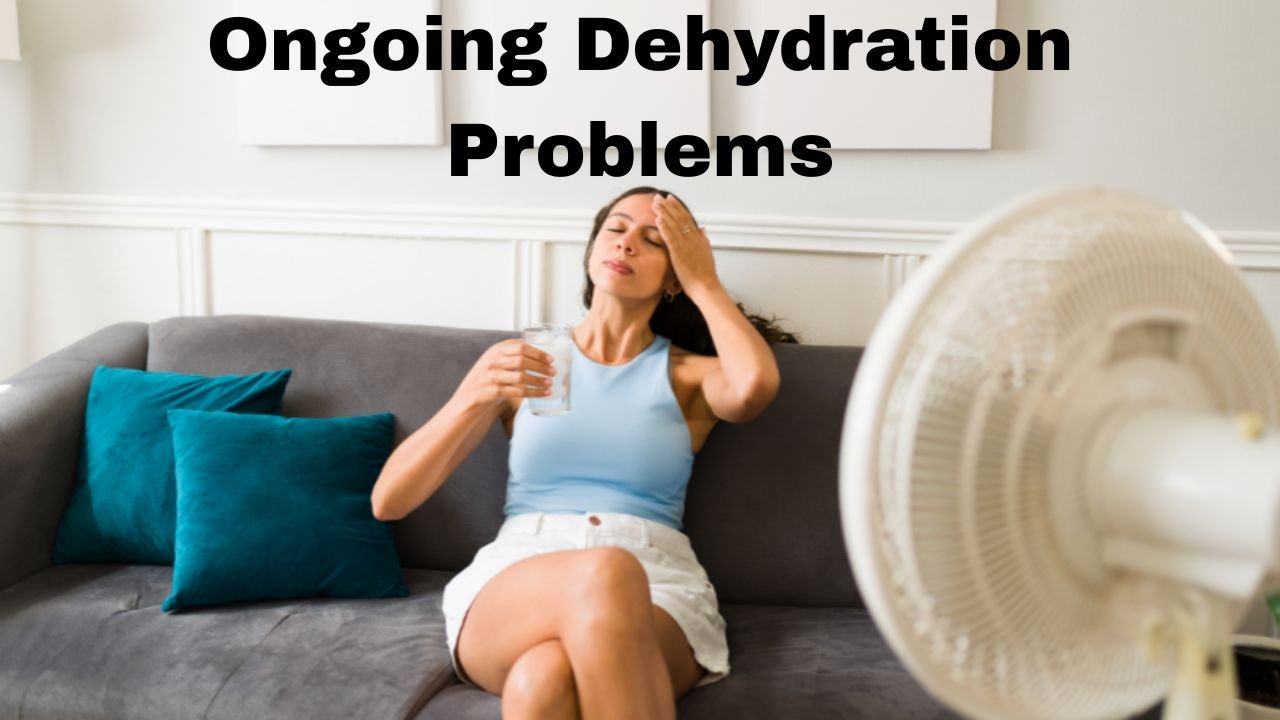
Most people walk through their day mildly dehydrated without realizing it, and even mild dehydration — as little as one to two percent below optimal hydration — directly elevates cortisol levels, increases heart rate, and produces physical sensations including light-headedness and muscle tension that the brain interprets as anxiety symptoms. The connection between dehydration and anxiety is rarely discussed despite being well-documented, partly because the symptoms are so easy to misattribute to stress, tiredness, or just how you normally feel.
4. Skipping meals or going too long without eating

When blood sugar drops from going too long without food, your body releases adrenaline and cortisol to mobilize stored energy — the exact same hormones released during a stress or anxiety response. This means that the irritability, racing thoughts, difficulty concentrating, and sense of unease that many people experience in the late morning or mid-afternoon are not emotional or psychological in origin — they are a direct physiological response to low blood sugar that feels indistinguishable from anxiety.
5. Breathing shallowly and rapidly without noticing

The majority of people breathe in a shallow, chest-dominant pattern throughout the day, particularly when sitting at a desk, looking at a screen, or concentrating on a task — and this breathing pattern directly activates the sympathetic nervous system, keeping the body in a mild but persistent state of physiological stress. Shallow breathing reduces carbon dioxide levels in the blood, which paradoxically causes the blood vessels to constrict and delivers less oxygen to the brain, producing symptoms like light-headedness, muscle tension, and mental unease that feed directly into anxiety.
6. Sitting still for most of the day
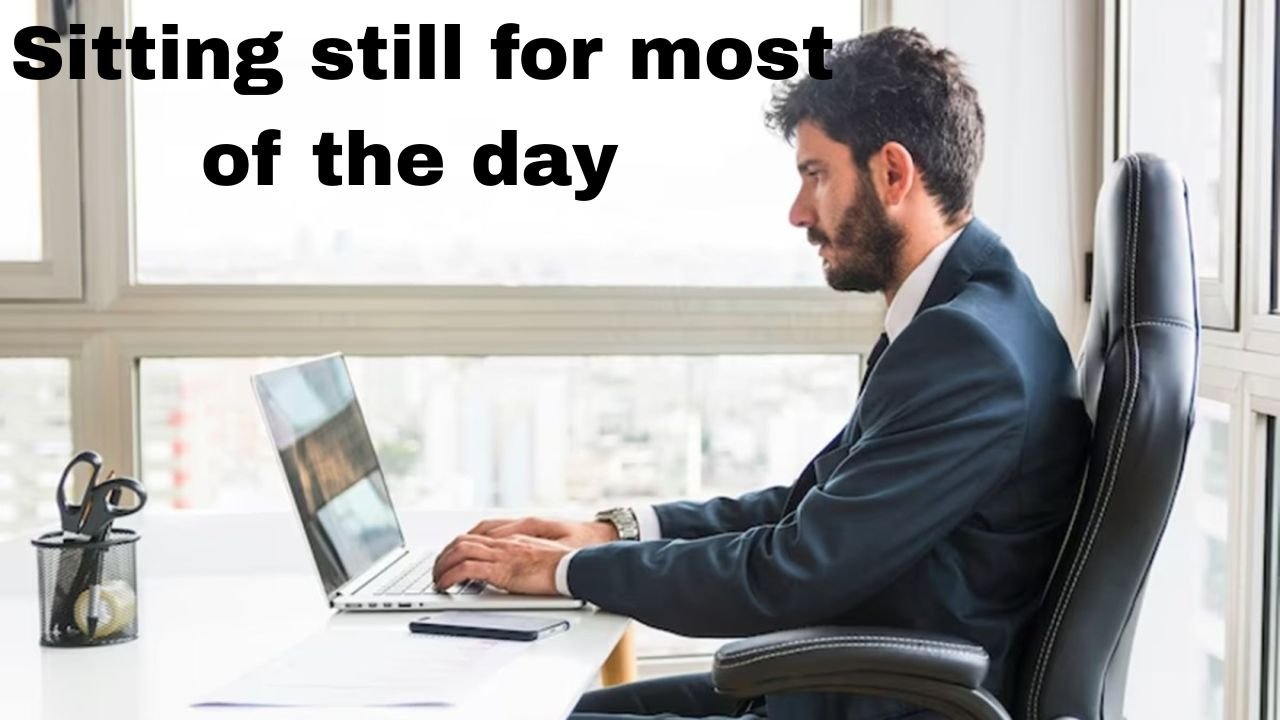
The human body is designed for regular movement, and prolonged sitting suppresses the production of GABA — a neurotransmitter that acts as the brain’s natural anxiety brake — while simultaneously allowing stress hormones to accumulate without the physical outlet that movement provides. Exercise and movement are among the most potent natural anxiolytics available, not because of fitness benefits but because they metabolize the stress hormones that sitting allows to build up to anxiety-generating levels.
7. Consuming too much caffeine
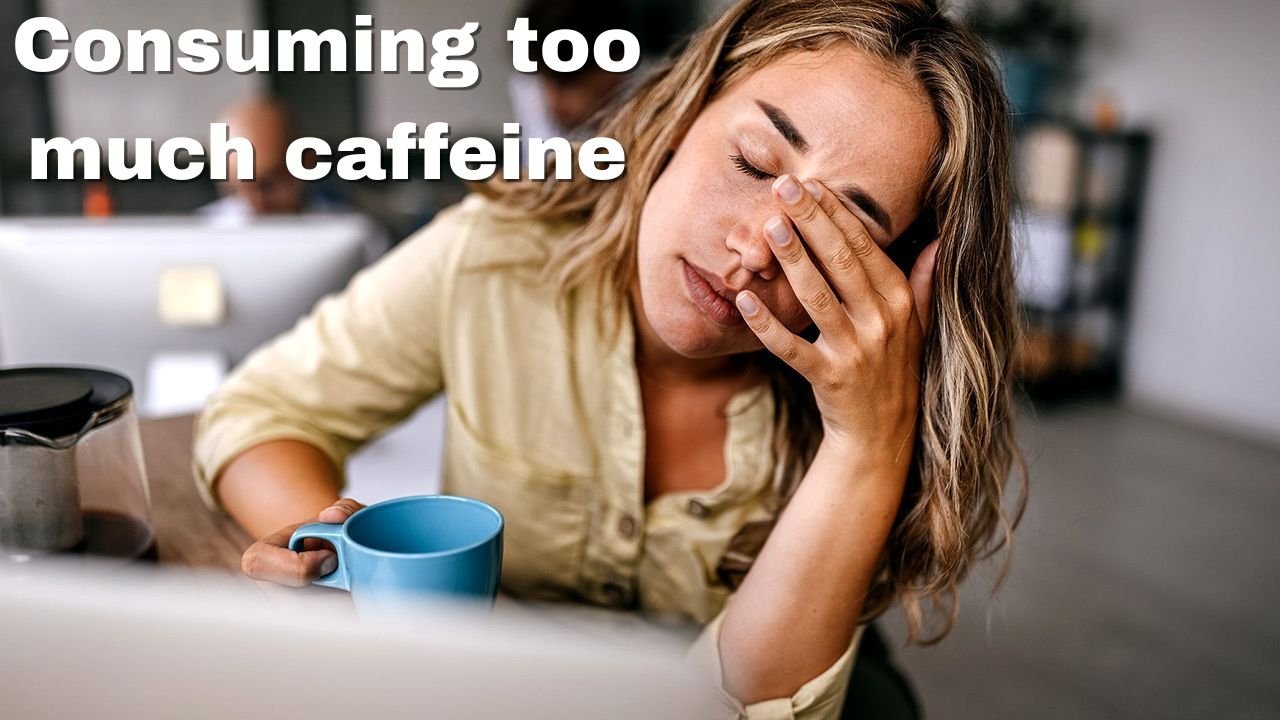
Caffeine directly stimulates the adrenal glands to release adrenaline, raises heart rate, increases alertness, and produces a physiological state that is chemically nearly identical to the early stages of an anxiety response — which is exactly why anxious people often find that caffeine makes their anxiety noticeably worse. The problem is compounded by tolerance, because people who drink multiple cups of coffee daily stop noticing the stimulation but their nervous system is still responding to every cup, keeping baseline cortisol and adrenaline elevated throughout the day.
8. Multitasking constantly throughout the day
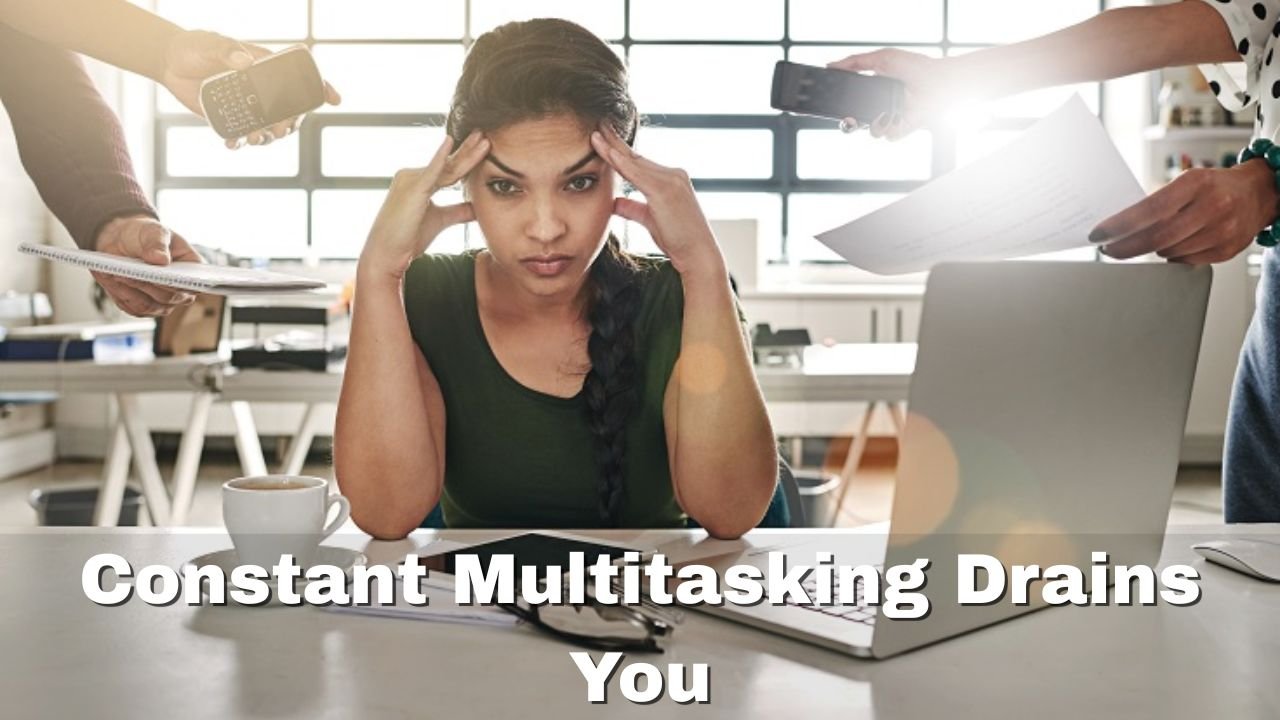
Multitasking feels productive but it actually keeps the brain in a state of continuous partial attention, switching rapidly between tasks in a way that activates the stress response and prevents the deeper focus states where the nervous system naturally regulates and calms itself. Research consistently shows that people who multitask heavily have higher cortisol levels, report more mental fatigue, and experience significantly more anxiety than those who work on one thing at a time.
9. Avoiding difficult conversations and letting things build up
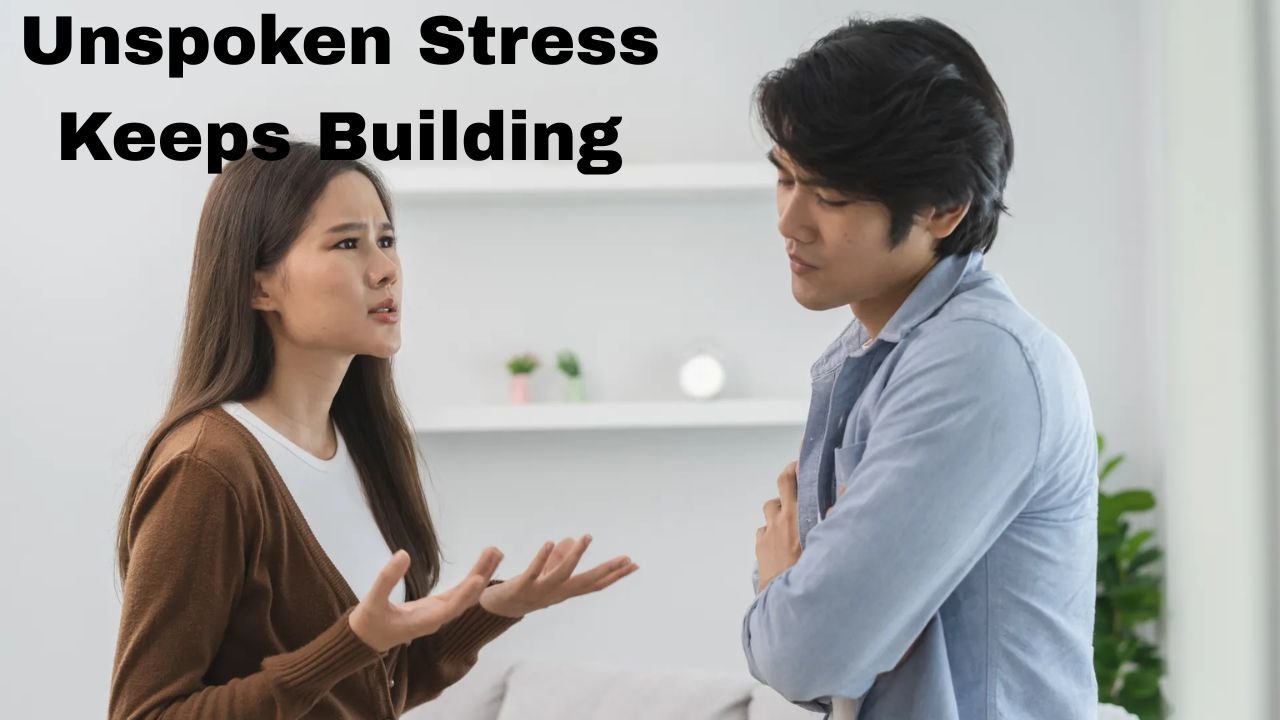
Every unresolved conflict, unspoken concern, and avoided conversation occupies a portion of your mental background processing, creating a persistent low-level tension that your nervous system registers as an ongoing threat. The anticipatory anxiety of waiting for a difficult conversation is almost always worse than the conversation itself, yet most people continue to postpone indefinitely, allowing the unresolved issue to generate anxiety day after day.
10. Spending too much time indoors without natural light
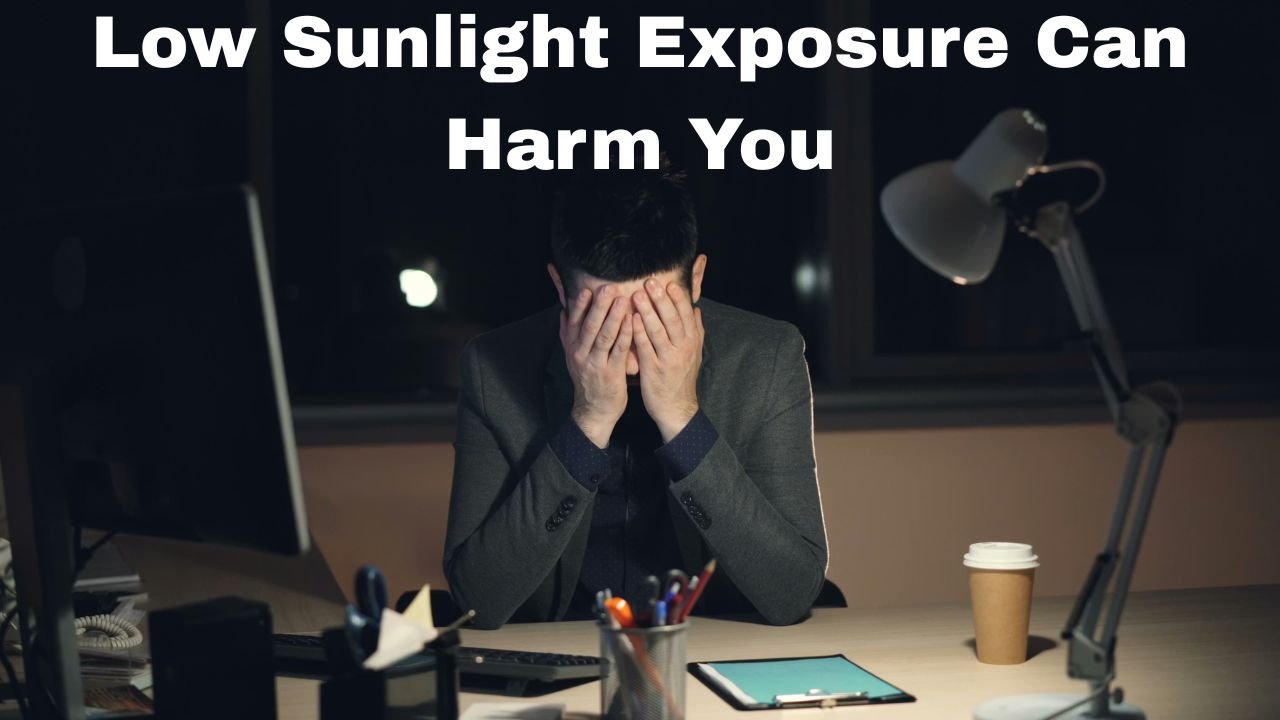
Natural light exposure regulates serotonin production, maintains your circadian rhythm, and signals to your nervous system that it is daytime and safe — and when people spend the majority of their day under artificial lighting, these regulatory signals are weakened or absent. Low serotonin is directly linked to anxiety and low mood, and the disruption of circadian rhythm from insufficient light exposure also impairs sleep quality, which further elevates anxiety the following day.
11. Consuming alcohol regularly to unwind

Alcohol is used by millions of people as a daily anxiety management tool, and while it does reduce anxiety temporarily by enhancing GABA activity in the brain, the rebound effect several hours later — and particularly the next morning — produces a spike in anxiety that is often higher than the original baseline. This cycle of temporary relief followed by increased anxiety creates a dependency pattern that gradually raises your baseline anxiety level over weeks and months, meaning regular drinkers often feel more anxious overall than they did before they started using alcohol to cope.
12. Never giving your brain unstructured, unstimulated time
Modern life has essentially eliminated boredom by filling every available moment with podcasts, music, scrolling, or streaming — and in doing so it has removed the unstructured mental downtime that the brain uses to process experiences, consolidate emotions, and regulate its own stress response. The default mode network — the part of your brain that activates during rest and mind-wandering — plays a crucial role in emotional regulation, and when it is never allowed to activate because every quiet moment is immediately filled with stimulation, anxiety accumulates rather than being processed.
13. Comparing yourself to others online multiple times a day
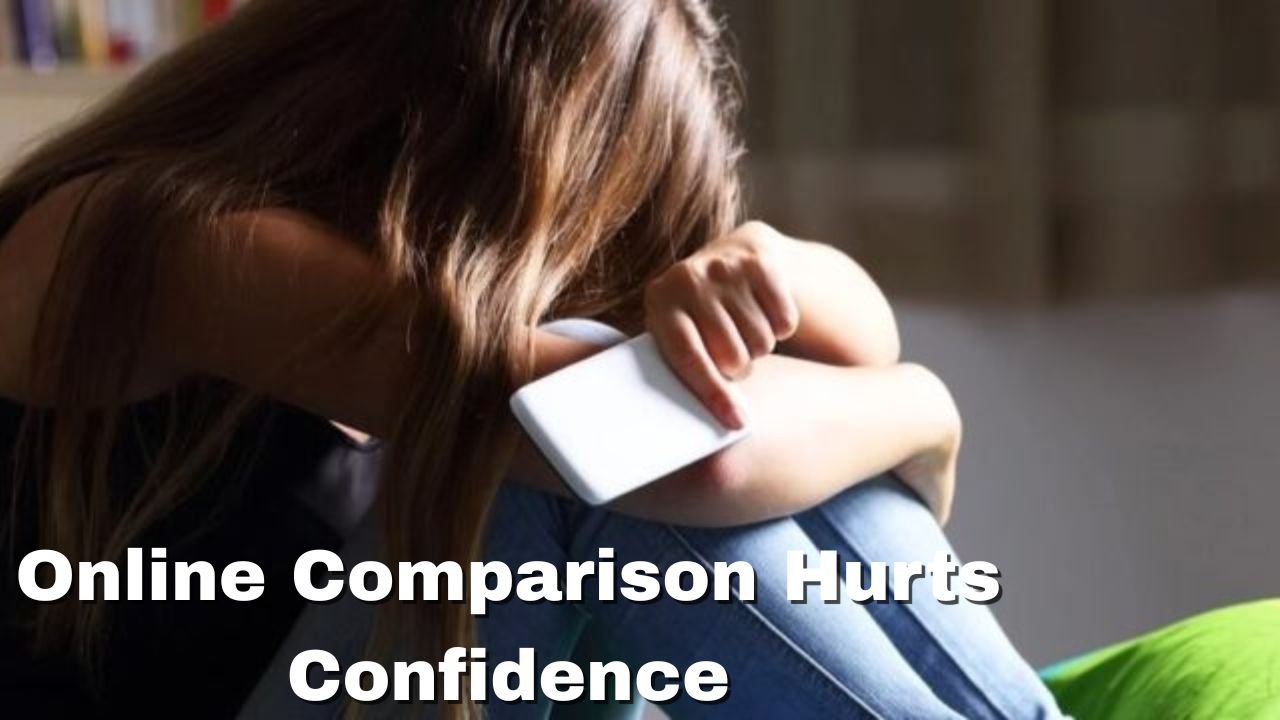
Social comparison is a natural human tendency, but the scale and frequency at which social media enables it is entirely unprecedented, and research consistently shows that upward social comparison — comparing yourself to people who appear more successful, attractive, or fulfilled — directly elevates anxiety and reduces self-worth. The curated nature of social media means you are comparing your unfiltered daily reality to everyone else’s highlight reel, a fundamentally unequal comparison that your nervous system nonetheless responds to as genuine social threat.
14. Ignoring physical tension stored in your body

Anxiety does not only exist in the mind — it is stored in the body as muscle tension, particularly in the jaw, neck, shoulders, and chest, and when this tension is never addressed it creates a feedback loop where the physical symptoms of anxiety reinforce the mental experience of it. Most people carry significant tension in their upper body throughout the entire day without ever consciously noticing it, and the brain interprets this chronic muscular tension as evidence that something is wrong, sustaining the anxiety response even when the original stressor has long passed.
15. Overcommitting and chronically having too much on your plate
Saying yes to more than you can realistically handle creates a permanent background state of cognitive overload where your to-do list is always longer than the time available, which keeps your nervous system in a continuous low-level emergency mode. The anxiety generated by an overloaded schedule is not just about the tasks themselves — it is about the constant awareness of falling behind, the guilt of unfinished things, and the impossibility of ever feeling caught up.
16. Relying on your memory for everything instead of writing things down
Trying to hold multiple tasks, deadlines, appointments, and responsibilities in your working memory simultaneously creates a form of cognitive load that your brain experiences as stress, because it is expending ongoing resources trying not to forget things that have not been externalized anywhere safe. This low-level mental effort of constantly tracking everything in your head is one of the most pervasive and least recognized contributors to daily anxiety, particularly for people who pride themselves on remembering everything.
17. Spending time with chronically negative or draining people
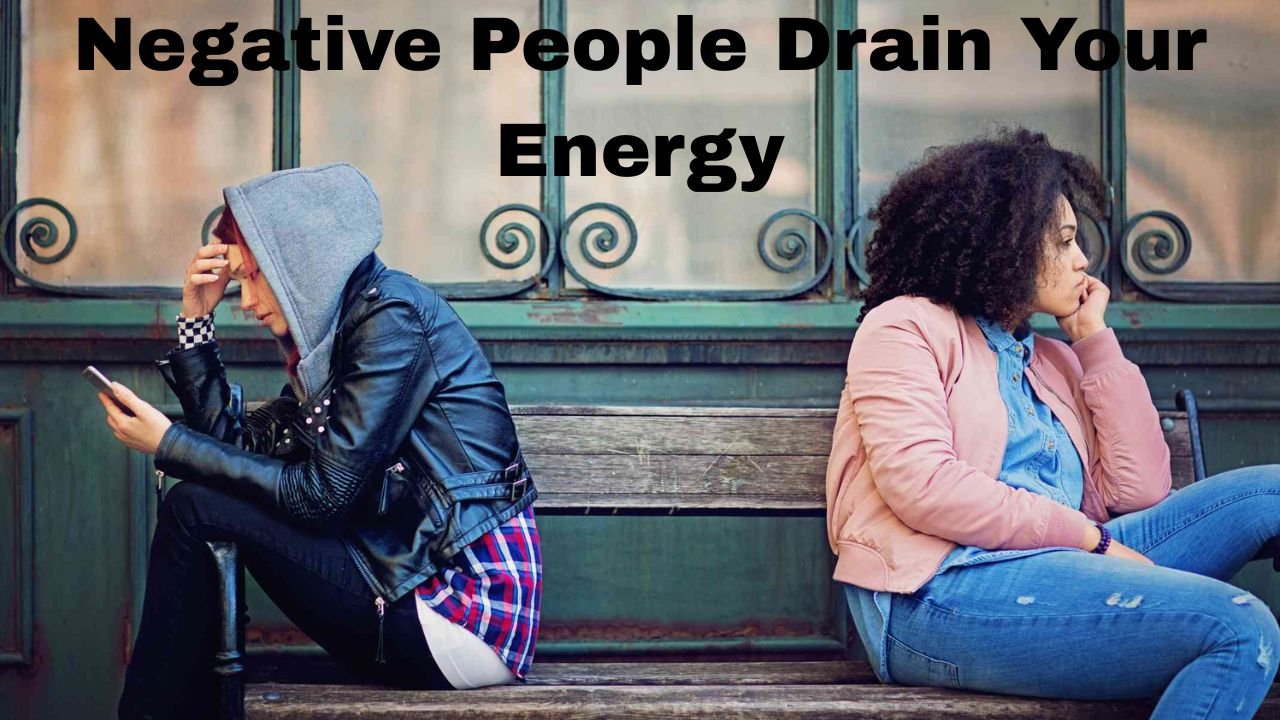
The nervous systems of people in close proximity to each other influence each other through a process called emotional contagion, which means spending significant time around people who are chronically anxious, negative, or emotionally dysregulated raises your own baseline stress and anxiety level whether you are consciously aware of it or not. This does not mean cutting off everyone who is struggling — it means being deliberate about how much time and emotional energy you give to relationships that consistently leave you feeling worse rather than better.
18. Working or thinking about work until the moment you go to sleep
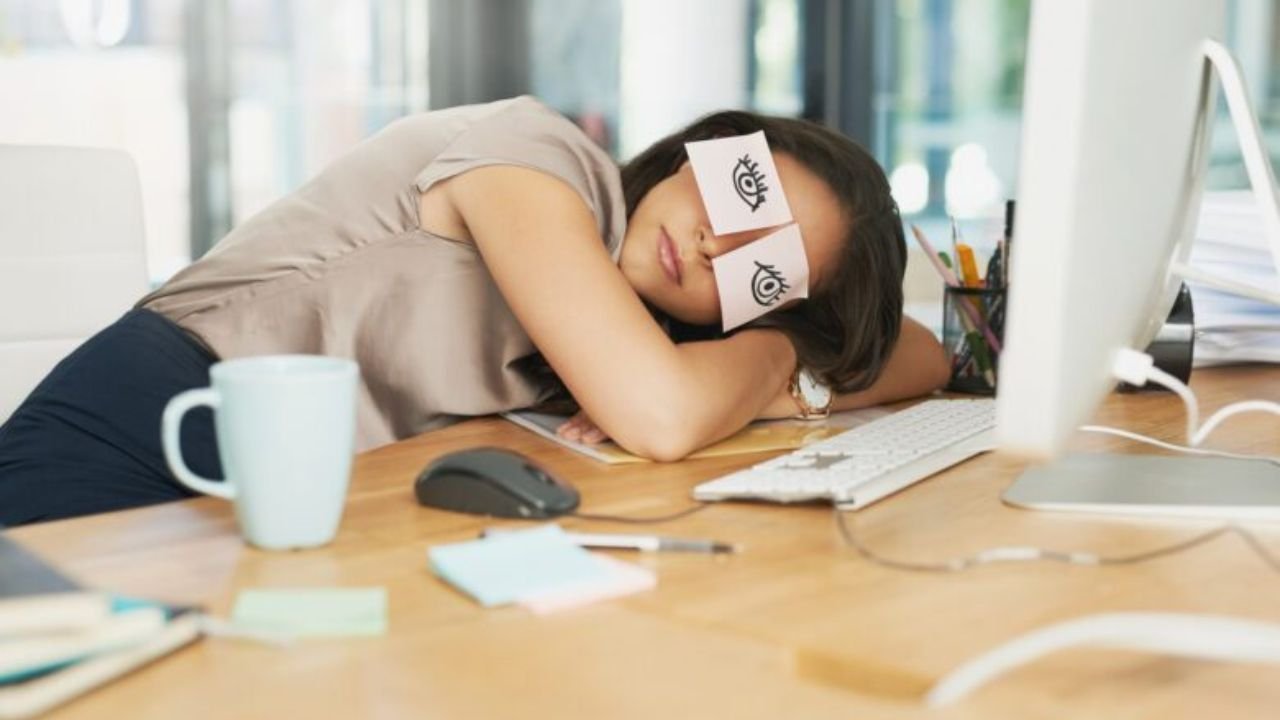
When work occupies the last hour of your day — through emails, planning, problem-solving, or even passive worrying — your brain has no transition period between the demands of the day and the rest it needs to recover from them, which keeps cortisol elevated into the evening and prevents the nervous system from fully downregulating before sleep. The lack of a genuine psychological boundary between work and rest is one of the most significant drivers of both anxiety and poor sleep in modern life, and the two compound each other in a cycle that gets progressively harder to break the longer it continues.
19. Perfectionism and the constant internal criticism it generates

Perfectionism is not a personality trait — it is a chronic stress response that keeps the brain in a constant state of evaluation, judgment, and threat detection directed inward. The internal monologue of a perfectionist is running a near-continuous assessment of what has gone wrong, what might go wrong, and what is not yet good enough, which is functionally identical to a sustained anxiety response and produces the same physiological effects as external stress over time.
20. Never fully completing tasks and always leaving things half-finished

The Zeigarnik effect describes the brain’s tendency to keep unfinished tasks in active working memory, creating an ongoing background hum of incompleteness that contributes meaningfully to daily anxiety. When your days are filled with half-written emails, unresolved conversations, started-but-not-finished projects, and deferred decisions, your brain is carrying all of them simultaneously as open loops that demand mental energy and generate low-level stress.
Disclaimer:
This article is for informational purposes only and is not a substitute for professional medical advice, diagnosis, or treatment. If you are experiencing persistent or severe anxiety, please consult a qualified mental health professional or healthcare provider. Do not make changes to any medication or treatment plan without speaking to a licensed medical professional first.