The Common Breakfast Mistake That Triggers Bloating All Day Long

Breakfast is supposed to be the meal that sets you up for the day, but for millions of people it is actually the meal that sets off hours of discomfort, tightness, and that uncomfortable puffed-up feeling in the stomach that never quite goes away until evening. Bloating is not just about eating too much — it is about what you eat, in what combination, at what speed, and in what state your digestive system is in when the food arrives. Your gut in the morning is essentially waking up alongside the rest of your body, with digestive enzymes, stomach acid, and gut motility all running at a lower level than they will be later in the day, which makes it far more sensitive to the wrong foods or habits than most people realize.
10 Common Breakfast Mistakes That Trigger Bloating
1. Drinking a large cold smoothie on an empty stomach

A cold smoothie first thing in the morning hits a digestive system that is still warming up and running at low enzyme activity, and the combination of raw fruit, cold liquid, and often added fiber creates a fermentation effect in the gut that produces significant gas within an hour or two. The temperature alone is a problem — cold liquids slow gastric motility and reduce the efficiency of the digestive enzymes your stomach needs to break food down properly.
2. Eating too fast without chewing properly

Breakfast is almost always rushed, and rushed eating means swallowing large, poorly broken down food particles along with significant amounts of air, both of which are primary drivers of bloating. Digestion begins in the mouth — salivary enzymes start breaking down carbohydrates before food even reaches the stomach — and when you skip this step by eating too quickly, your stomach and small intestine have to work much harder to compensate, often producing gas in the process.
3. Starting the day with high-fiber cereals or muesli

Whole grain cereals, bran flakes, and muesli are positioned as the gold standard of healthy breakfasts, but for many people they are a direct trigger for uncomfortable bloating, particularly when eaten first thing on an empty stomach. High insoluble fiber feeds gut bacteria rapidly, producing gas as a byproduct of fermentation, and the gut in the morning is not yet moving efficiently enough to clear that gas before it builds up and causes discomfort.
4. Combining fruit with protein or dairy

Fruit digests very quickly — faster than almost any other food — and when it is combined with slower-digesting proteins, dairy, or fats in the same meal, the fruit essentially gets stuck waiting behind the heavier food and begins fermenting in the digestive tract before it can pass through. This fermentation produces gas, which is experienced as bloating, and it is the reason why a bowl of yogurt with fruit or a fruit salad after eggs can leave you feeling uncomfortably full and gassy.
5. Eating gluten-containing foods when your gut is sensitive

Bread, toast, cereals, pancakes, and pastries are the most common breakfast foods in the world, and they all contain gluten — a protein that a significant portion of the population struggles to digest without producing an inflammatory response in the gut lining. You do not need to have celiac disease to experience gluten-related bloating; non-celiac gluten sensitivity is far more common and produces digestive symptoms including bloating, gas, and abdominal tightness that many people have simply normalized as their baseline.
6. Drinking coffee before eating anything

Coffee on an empty stomach stimulates stomach acid production and accelerates gut motility, which sounds helpful but actually moves food through the digestive tract faster than enzymes can properly break it down — leaving partially digested food to ferment further along in the gut. For people who are sensitive to coffee, this also triggers a stress response in the gut lining that increases intestinal permeability and causes inflammation, both of which contribute directly to bloating and discomfort.
7. Eating dairy when your body cannot fully digest lactose

Lactose intolerance exists on a spectrum, and many people sit in the middle of that spectrum — able to digest small amounts of dairy without obvious symptoms but consistently bloated after a breakfast that includes milk in cereal, a latte, or yogurt. The lactase enzyme needed to break down lactose declines naturally with age in most people, and the undigested lactose that reaches the large intestine is rapidly fermented by bacteria, producing gas and bloating within one to two hours of eating.
8. Adding protein powder to your morning meal

Protein powders — particularly whey-based ones — are among the most commonly overlooked causes of breakfast bloating because people associate them with health and performance rather than digestive stress. Whey is derived from dairy and contains lactose, and even small amounts are enough to trigger bloating in people with any degree of lactose sensitivity.
9. Not drinking enough water before or during breakfast

Mild dehydration after a night of sleep slows digestion and reduces the production of digestive fluids, which means food arriving in a dry, sluggish digestive system is processed less efficiently and more likely to sit and ferment. Drinking one to two glasses of room temperature water before eating breakfast rehydrates the gut lining, stimulates digestive enzyme production, and gets gut motility moving before food arrives — all of which reduce the likelihood of bloating significantly.
10. Eating a large breakfast immediately after waking up

Your digestive system needs time to shift from its overnight resting state into active digestion mode, and eating a large meal within the first 15 to 20 minutes of waking forces it to process food before it is fully ready to do so. Stomach acid levels, digestive enzyme activity, and gut motility are all lower immediately after waking, and a large meal under these conditions is processed less efficiently, producing more gas and discomfort than the same meal eaten an hour later would.
10 Ways to Avoid Breakfast Mistakes and Stop Bloating
1. Drink a glass of warm or room temperature water first thing

Before eating anything or drinking coffee, start every morning with one to two glasses of warm or room temperature water to rehydrate your gut lining and activate your digestive system after the overnight fast. Warm water is particularly effective because it stimulates peristalsis — the muscular contractions that move food through your digestive tract — and helps clear any residual gas from the previous night.
2. Wait at least 30 minutes after waking before eating

Giving your digestive system time to shift from its overnight resting state into active mode before introducing food means your stomach acid, digestive enzymes, and gut motility are all properly activated when breakfast arrives. Use the first 30 minutes of your morning for hydration, light movement, or your morning routine, and let your body signal genuine hunger before you sit down to eat.
3. Chew every bite slowly and completely

Slowing down at breakfast — even when you are in a rush — and making a conscious effort to chew each mouthful until it is fully broken down before swallowing reduces the amount of air swallowed, improves enzyme activity, and delivers properly prepared food to the stomach rather than large chunks that require extra effort to break down. Setting your fork or spoon down between bites is a practical way to force a slower pace without having to think about it.
4. Eat fruit alone, at least 30 minutes before other foods

If fruit is part of your morning routine, eating it on its own rather than mixed into yogurt, on top of cereal, or alongside eggs allows it to pass through the digestive system at its natural speed without fermenting behind slower-digesting foods. A piece of fruit or a small fruit bowl eaten 30 minutes before the rest of breakfast digests cleanly and efficiently, while the same fruit eaten as part of a mixed meal creates the fermentation and gas that most people experience as bloating.
5. Switch your morning coffee to after a small meal

Moving your first coffee to after you have eaten something small — even just a few bites of toast, a boiled egg, or a handful of nuts — buffers the stomach acid stimulation and reduces the gut motility disruption that coffee causes on a completely empty stomach. This does not mean giving up coffee; it simply means adjusting the order so your digestive system has something to work with before the coffee arrives.
6. Remove high-fiber cereals and replace with easier options

If you are eating bran flakes, muesli, or high-fiber granola every morning and experiencing regular bloating, a straightforward two-week experiment of replacing these with lower-fiber options like eggs, oats cooked simply with water, or a plain rice-based breakfast will tell you very quickly whether fiber fermentation is the cause. This is not about avoiding fiber permanently — it is about giving your gut a rest in the morning when it is most sensitive.
7. Try a two-week dairy-free breakfast experiment

Rather than guessing whether dairy is contributing to your bloating, simply removing all dairy from breakfast for two weeks and observing the difference is the most direct and reliable test available. Replace milk with oat milk or almond milk, swap regular yogurt for coconut yogurt, and skip the cheese — and pay attention to how your stomach feels through the morning compared to before.
8. Avoid protein powders or choose plant-based versions

If you regularly add protein powder to your morning smoothie or oats, switching to a plant-based protein made from pea or rice protein rather than whey eliminates both the lactose and the digestive stress that dairy-based powders create. If bloating improves after switching, whey was likely the trigger — and if it does not improve, check the ingredient list of your plant-based powder for artificial sweeteners like sorbitol, mannitol, or xylitol, which are fermented by gut bacteria and cause significant gas in almost everyone.
9. Add a 10-minute gentle walk after breakfast

Light physical movement after eating stimulates gut motility and helps move gas and food through the digestive tract before it has the chance to build up and cause discomfort. A 10-minute walk after breakfast is enough to meaningfully accelerate gastric emptying and reduce post-meal bloating, and the effect is well-documented enough that it is now recommended as part of standard dietary advice for people with irritable bowel syndrome.
10. Keep a simple morning food diary for two weeks
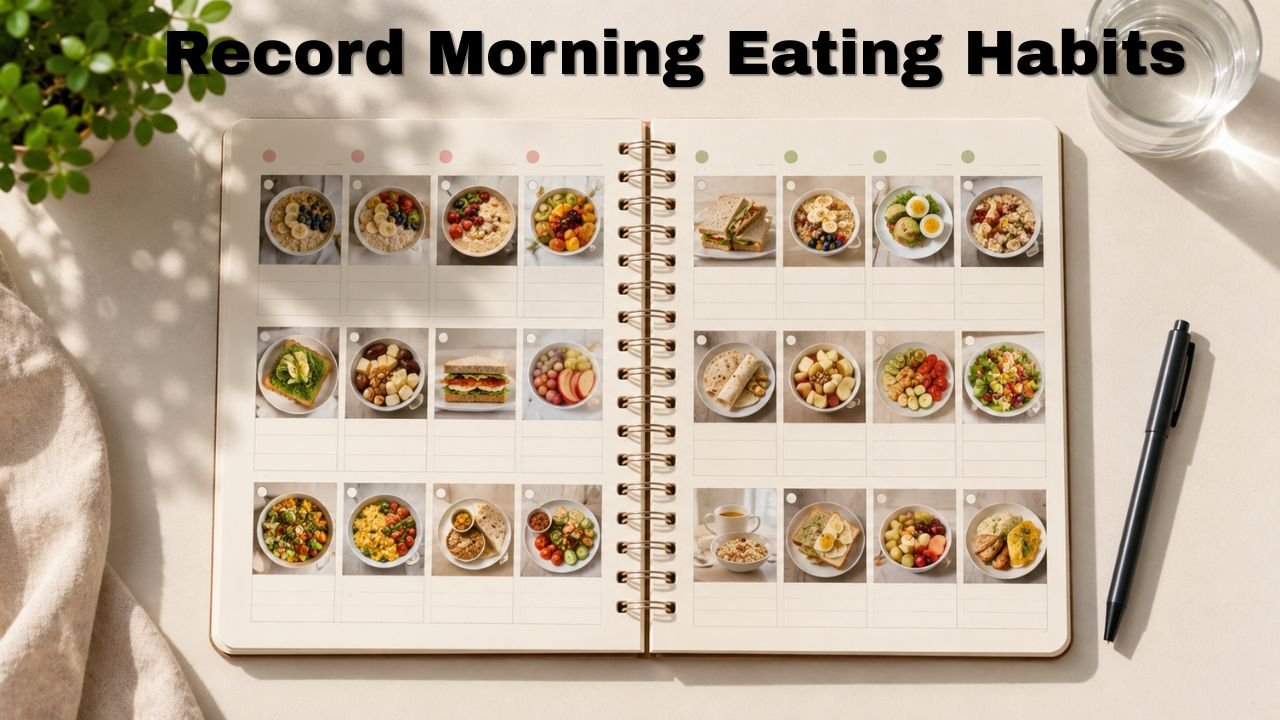
Because breakfast bloating triggers vary significantly from person to person, the fastest and most reliable way to identify your specific triggers is to write down what you eat each morning and how you feel one to two hours later for two consecutive weeks. Patterns almost always emerge within the first week — a particular food, combination, or habit that consistently precedes discomfort — and once identified, eliminating that trigger produces faster and more lasting results than any generic dietary advice.
Disclaimer:
This article is for informational purposes only and is not a substitute for professional medical advice, diagnosis, or treatment. If you are experiencing persistent bloating or digestive discomfort, please consult a qualified healthcare provider before making significant changes to your diet. Always seek guidance from a licensed medical professional for any personal health concerns.