The 5-Minute Home Trick for Neck Pain Relief That Most People Have Never Tried

Neck pain is one of the most common physical complaints in the world, yet the majority of people dealing with it every day are either popping painkillers, booking expensive physiotherapy sessions, or simply learning to live with the discomfort as if it is an unavoidable part of modern life. What most people do not know is that the muscles, joints, and nerves responsible for neck pain respond remarkably well to targeted, specific interventions that can be done at home in under five minutes — no equipment, no prescription, and no specialist required. The neck is one of the most mechanically stressed parts of the human body, supporting the full weight of the head through hundreds of small movements every hour while simultaneously housing the nerves that connect the brain to the rest of the body.
20 Five-Minute Home Tricks That Relieve Neck Pain
1. The chin tuck against a wall
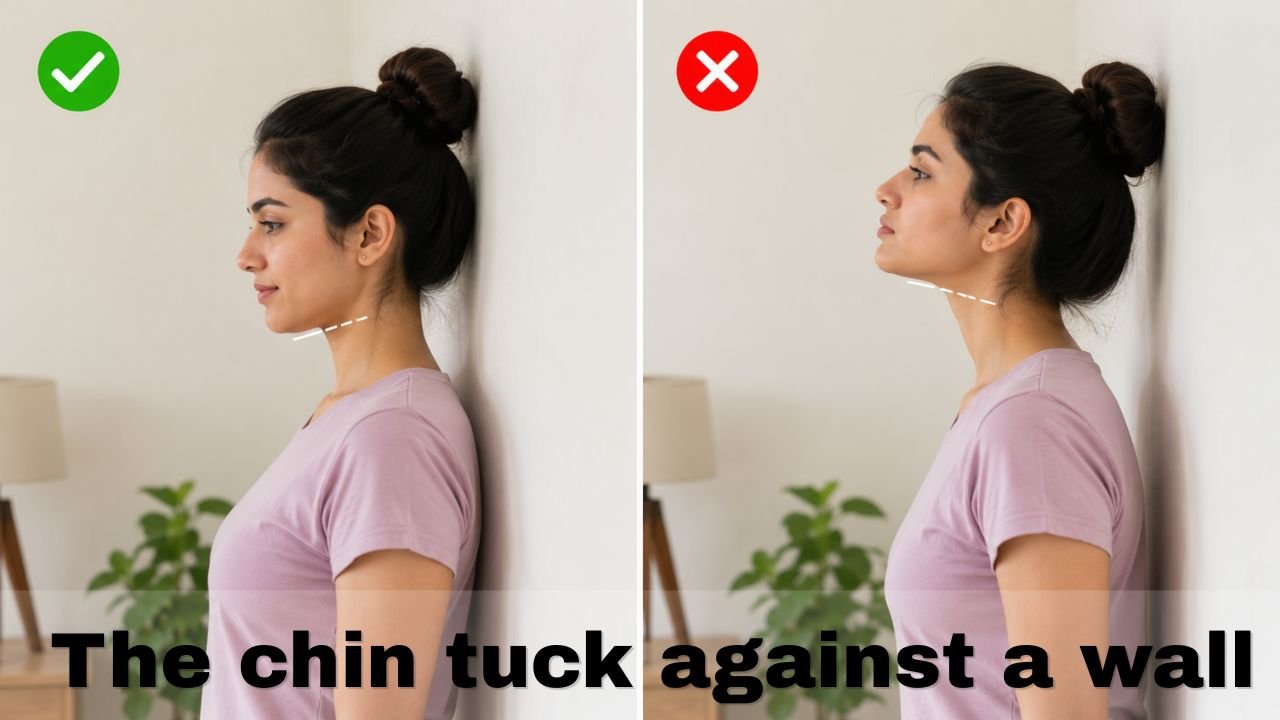
Stand with your back flat against a wall, feet slightly away from the base, and gently draw your chin straight back as if trying to make a double chin — hold for five seconds, release, and repeat ten times. This movement directly retrains the deep cervical flexor muscles that become weak and elongated from years of forward head posture, and strengthening these muscles reduces the strain on the joints and ligaments at the back of the neck that are responsible for most chronic neck pain.
2. The towel traction technique
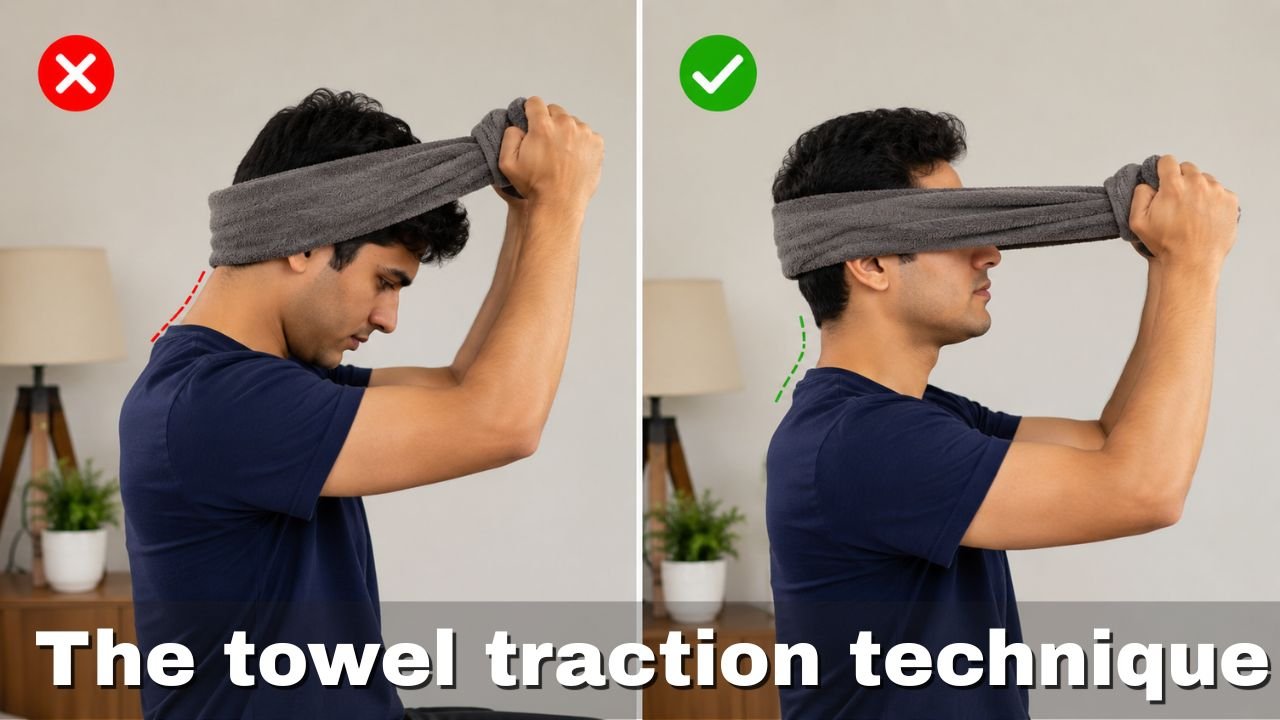
Roll a standard bath towel into a firm cylinder, lie flat on your back, and place the towel horizontally under the base of your skull so your head rests on it with your neck slightly elevated and supported. Stay in this position for three to five minutes, allowing gravity to gently decompress the cervical joints and create traction that elongates the neck muscles and relieves the compression that builds up from hours of sitting and looking at screens.
3. The levator scapulae stretch
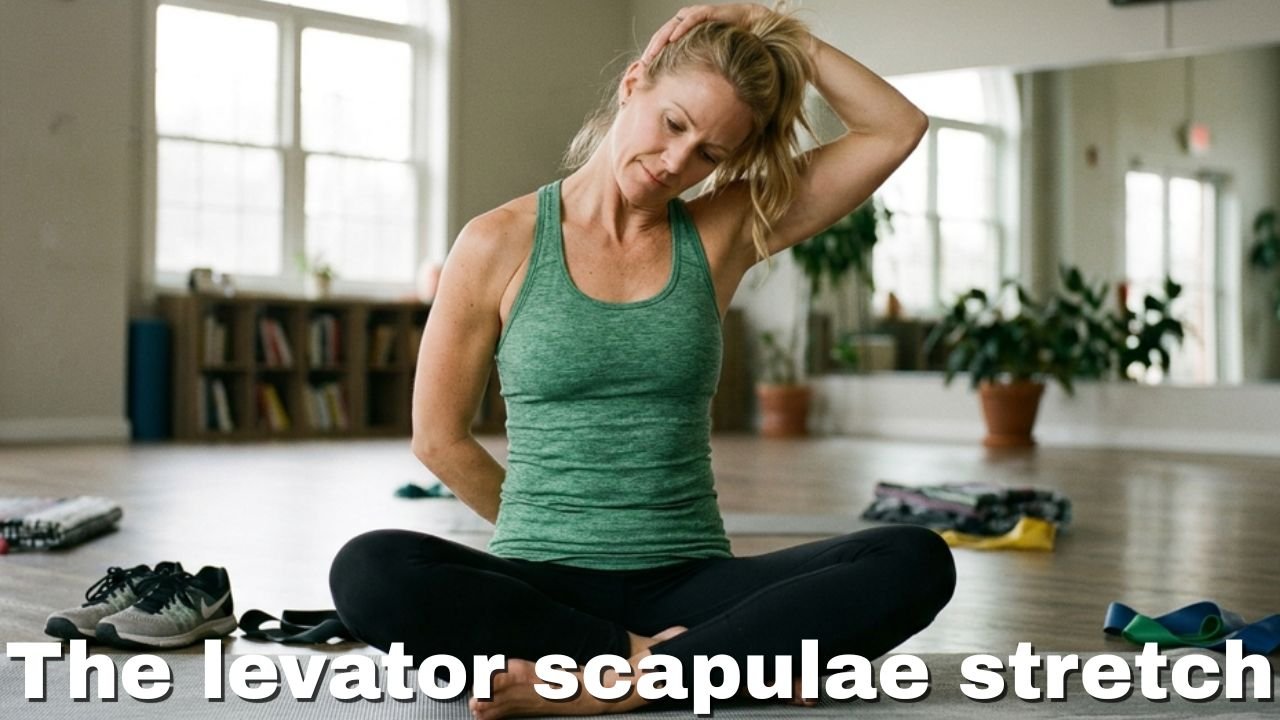
Sit upright in a chair, drop your right ear toward your right shoulder, then rotate your chin down and to the right at roughly a 45-degree angle so you are looking toward your right knee, and apply gentle downward pressure with your right hand on the back of your head. Hold this position for 30 to 45 seconds, breathing slowly, then repeat on the other side — this targets the levator scapulae muscle, which runs from the upper cervical vertebrae to the shoulder blade and is one of the most consistently tight and painful muscles in people who sit at desks.
4. Applying a warm compress to the base of the skull

Soak a small towel in warm water, wring it out, fold it, and place it across the base of the skull and upper neck for three to five minutes while lying down or sitting in a reclined position. Heat increases blood flow to the area, reduces muscle spasm, and relaxes the connective tissue around the cervical joints in a way that temporarily but genuinely reduces pain and stiffness — particularly the kind that is worst in the morning or after long periods of sitting.
5. The suboccipital release with two tennis balls
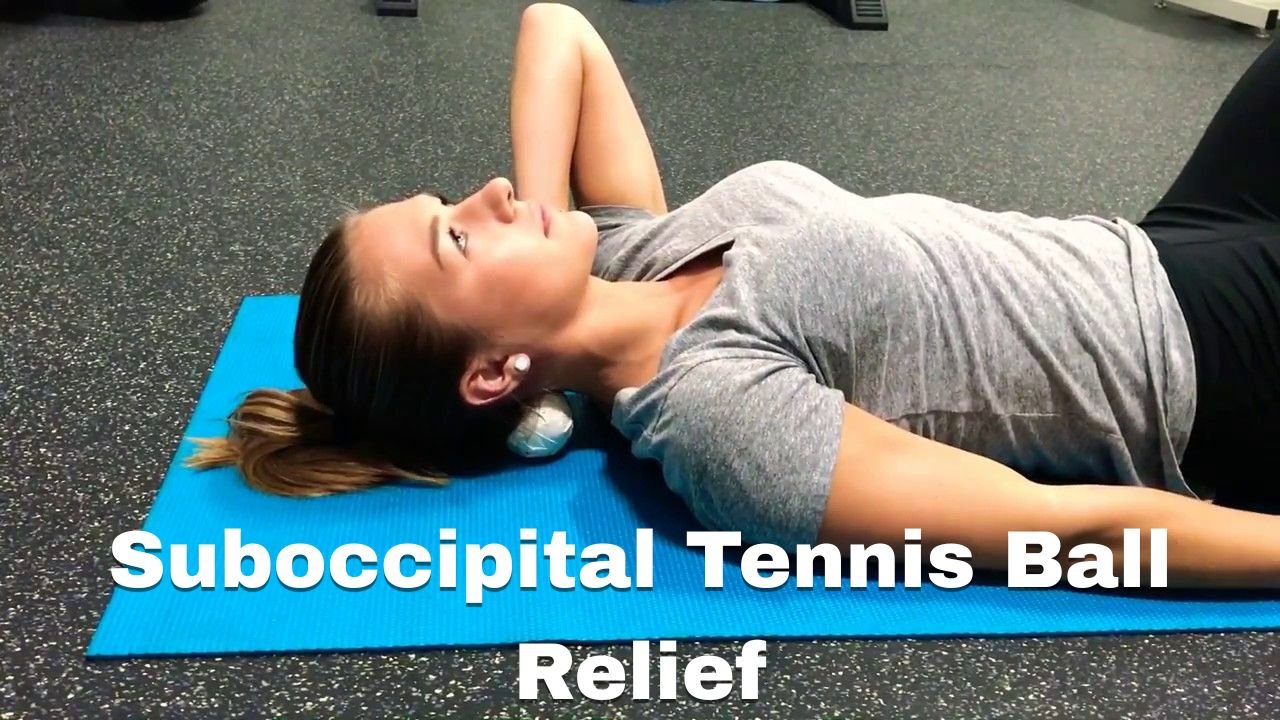
Place two tennis balls in a sock, tie the end, and lie on your back positioning the two balls side by side at the base of your skull on either side of the spine — then simply let the weight of your head rest on them for three to five minutes. The balls apply sustained pressure to the suboccipital muscles, a group of four small but chronically tight muscles that sit between the skull and the first two vertebrae and are responsible for a significant proportion of tension headaches, upper neck stiffness, and the sensation of a tight band across the back of the head.
6. Doorframe chest opening stretch

Stand in a doorway, place both forearms on the door frame with elbows at shoulder height, and gently lean your body weight forward through the opening until you feel a stretch across the chest and front of the shoulders — hold for 30 to 45 seconds and repeat three times. This works for neck pain because chronically tight chest and anterior shoulder muscles pull the shoulders forward and the head along with them, increasing the mechanical load on the back of the neck by several kilograms.
7. Self-massage of the upper trapezius with fingertip pressure

Using the fingertips of your opposite hand, apply firm circular pressure to the muscle that runs from the side of your neck down to the top of your shoulder, working slowly along the muscle belly and spending extra time on any areas that feel particularly tight or tender. Do this for two to three minutes on each side, breathing slowly and allowing the pressure to sink in rather than rushing over the surface — the upper trapezius is almost universally tight in people with neck pain and responds well to direct manual pressure that breaks up the micro-tension patterns held in the muscle fibers.
8. The neck half-circle rotation
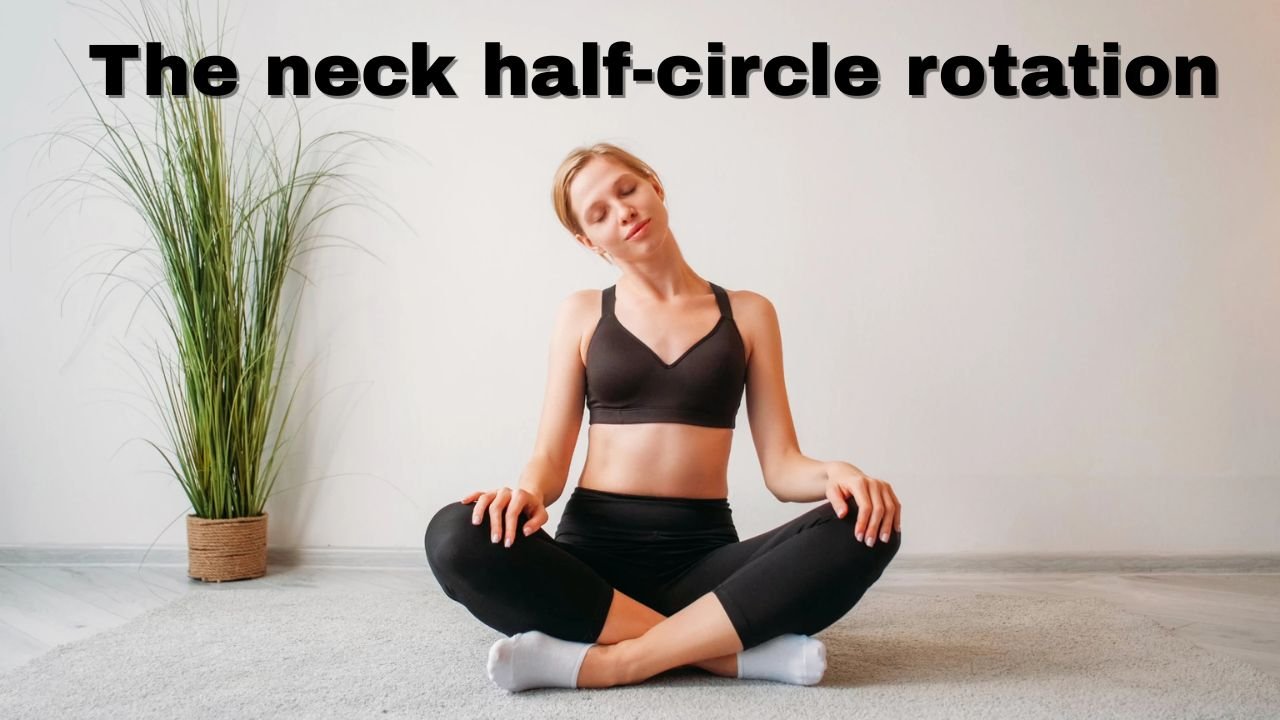
Sit or stand upright, drop your chin gently toward your chest, then slowly roll your head in a half circle from one shoulder to the other — passing through the center at the chest rather than rolling through the back, which compresses the cervical joints. Do this five times in each direction at a pace slow enough that you feel every degree of the movement, pausing anywhere that feels particularly restricted or uncomfortable for a few extra seconds before continuing.
9. Cold therapy on the base of the neck for acute pain

When neck pain is acute, recently onset, or accompanied by a feeling of heat or inflammation, applying a cold pack or a bag of frozen peas wrapped in a thin cloth to the affected area for five minutes reduces inflammation, numbs local pain receptors, and decreases muscle spasm more effectively than heat in the early stages. Cold therapy works by constricting blood vessels and reducing the inflammatory response that causes the throbbing, acute pain that heat would actually worsen by increasing blood flow to an already inflamed area.
10. The scalene stretch for nerve-related neck pain

Sit upright, place your right hand under your right thigh to anchor your shoulder down, then tilt your left ear toward your left shoulder and slightly rotate your chin upward — hold for 30 to 45 seconds and switch sides. This stretches the scalene muscles on the side of the neck, which when tight compress the nerves and blood vessels passing through them and produce not just local neck pain but radiating symptoms including tingling, numbness, and weakness that travel into the arm and hand.
11. Pectoral minor release using a firm ball against a wall
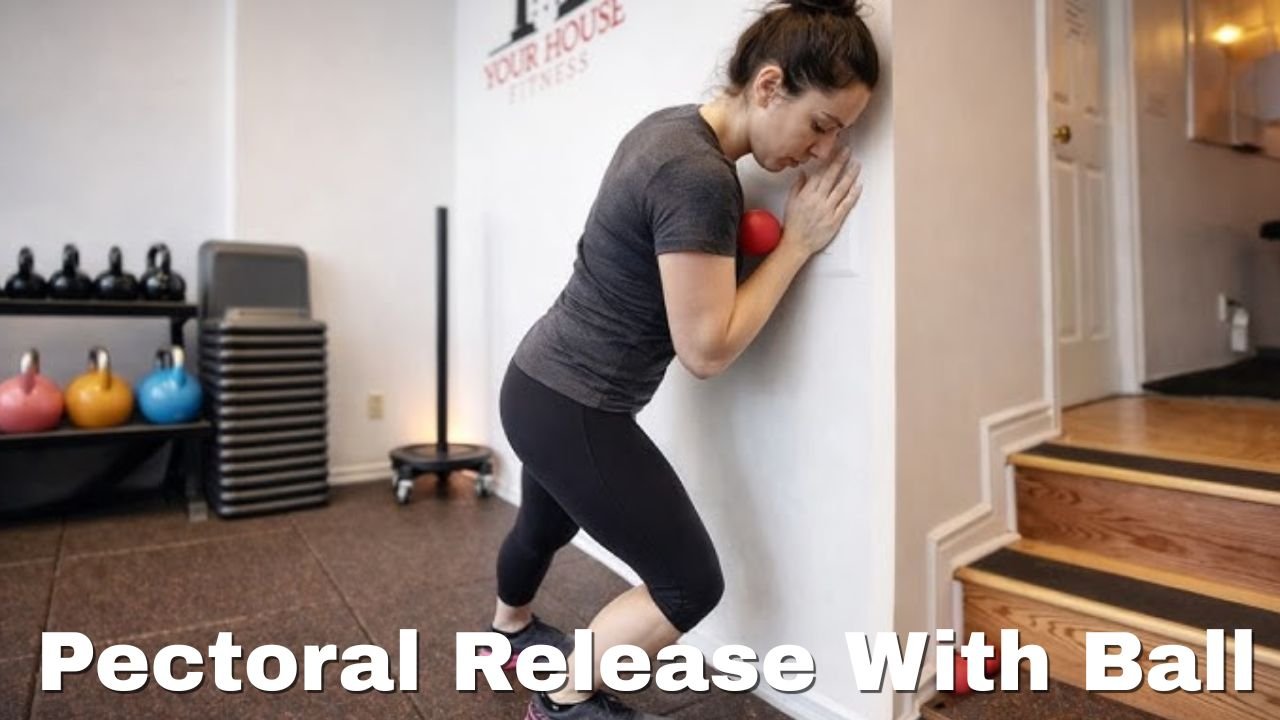
Place a tennis ball or lacrosse ball between your chest and a wall at the level of your upper pec, just inside the shoulder, and lean gently into the ball using your body weight — hold still for 20 to 30 seconds on any tender spots before moving to a new position. The pectoral minor is a small but powerful muscle that when tight pulls the shoulder blade forward and tips the shoulder into an internally rotated position, which has a direct upstream effect on neck posture and cervical muscle tension.
12. The prone cobra for deep neck stabilizer activation
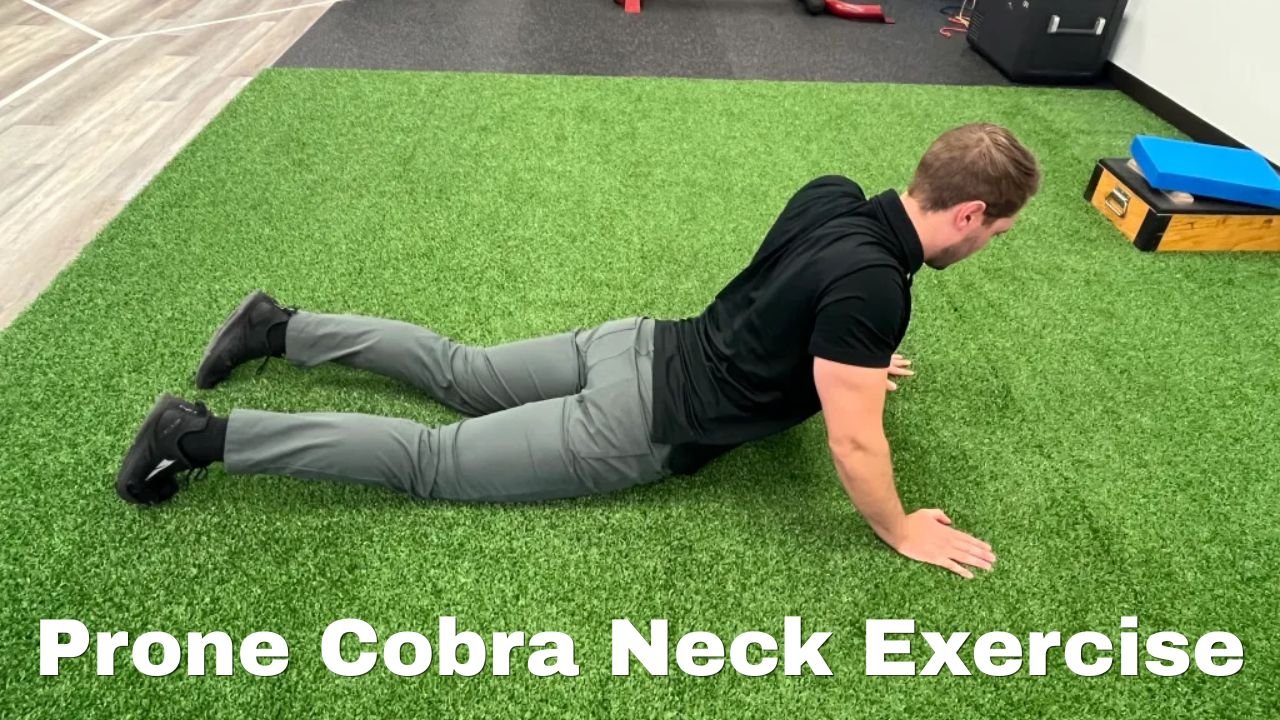
Lie face down on a firm surface with your arms at your sides, palms facing down, and gently lift your head, chest, and hands a few centimeters off the floor while squeezing your shoulder blades together and pointing your thumbs toward the ceiling — hold for ten seconds, lower, and repeat eight to ten times. This activates the deep spinal extensors and lower trapezius muscles that support the neck from below, muscles that are almost always weak in people with chronic neck pain because modern posture never requires them to work.
13. Jaw release and masseter massage
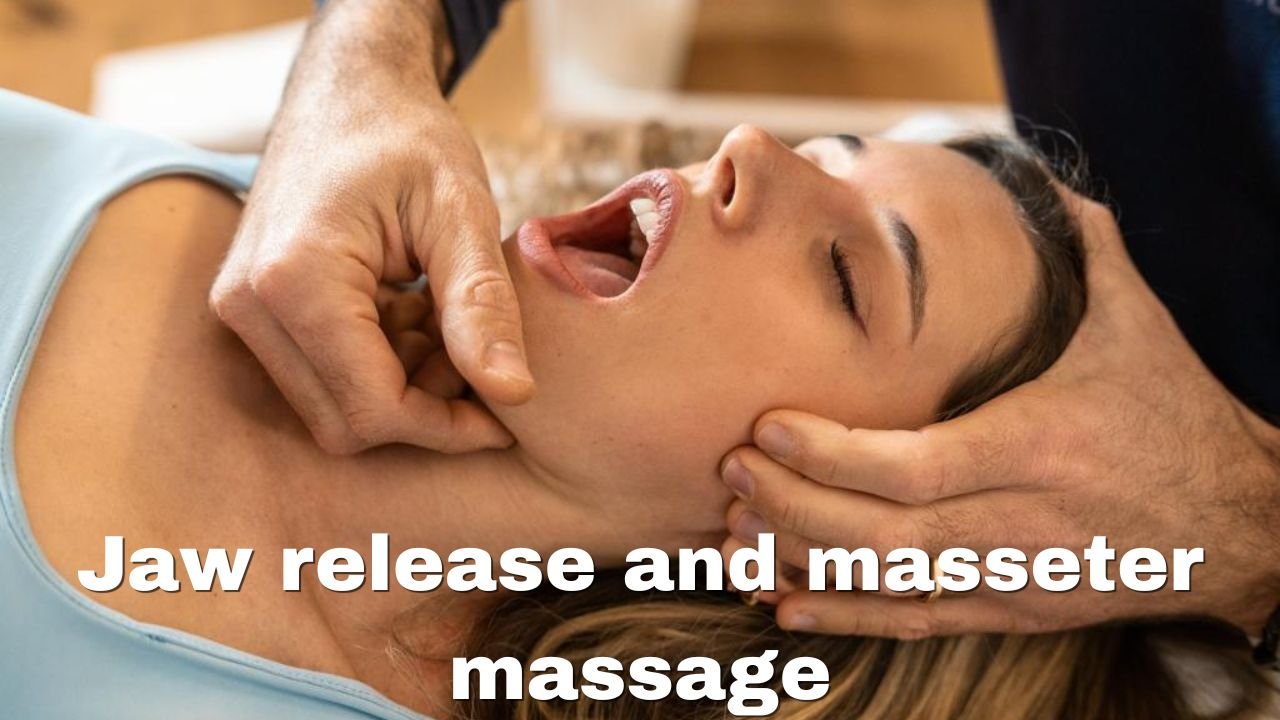
Place your fingertips on the muscles of your jaw just in front of your ears, bite gently to locate the masseter muscle, then open your mouth slightly and apply firm circular pressure to this muscle for two to three minutes while breathing slowly through your nose. The jaw and neck are mechanically and neurologically linked — chronic jaw tension and teeth clenching, which most people do unconsciously throughout the day, directly increases tension in the muscles at the front and sides of the neck and contributes significantly to cervicogenic headaches.
14. Forward head posture correction using a wall stand
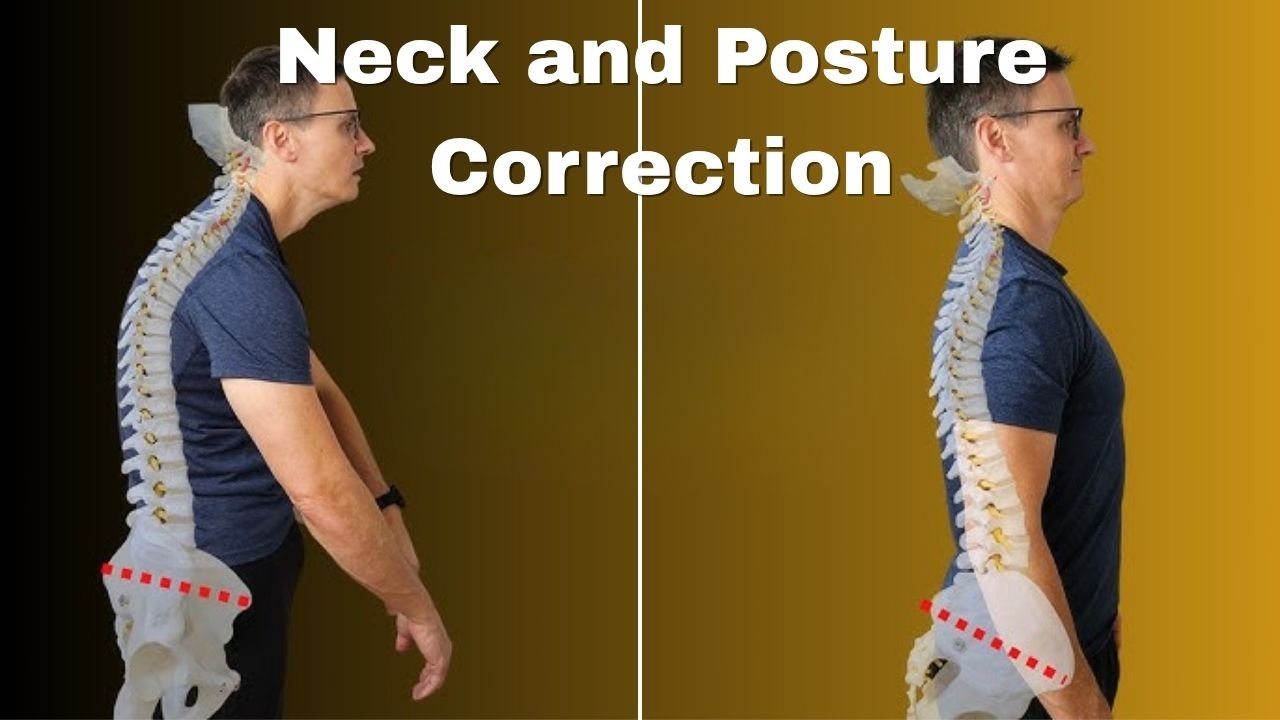
Stand with your heels, buttocks, upper back, and the back of your head all touching a wall simultaneously, hold this position for two minutes while breathing normally, and repeat two to three times. This seems simple but for people with significant forward head posture — which is almost everyone who uses a phone or computer regularly — it is genuinely challenging because the muscles at the front of the neck are tight and the extensors are weak, making the neutral position feel uncomfortable at first.
15. Acupressure on the GB21 point
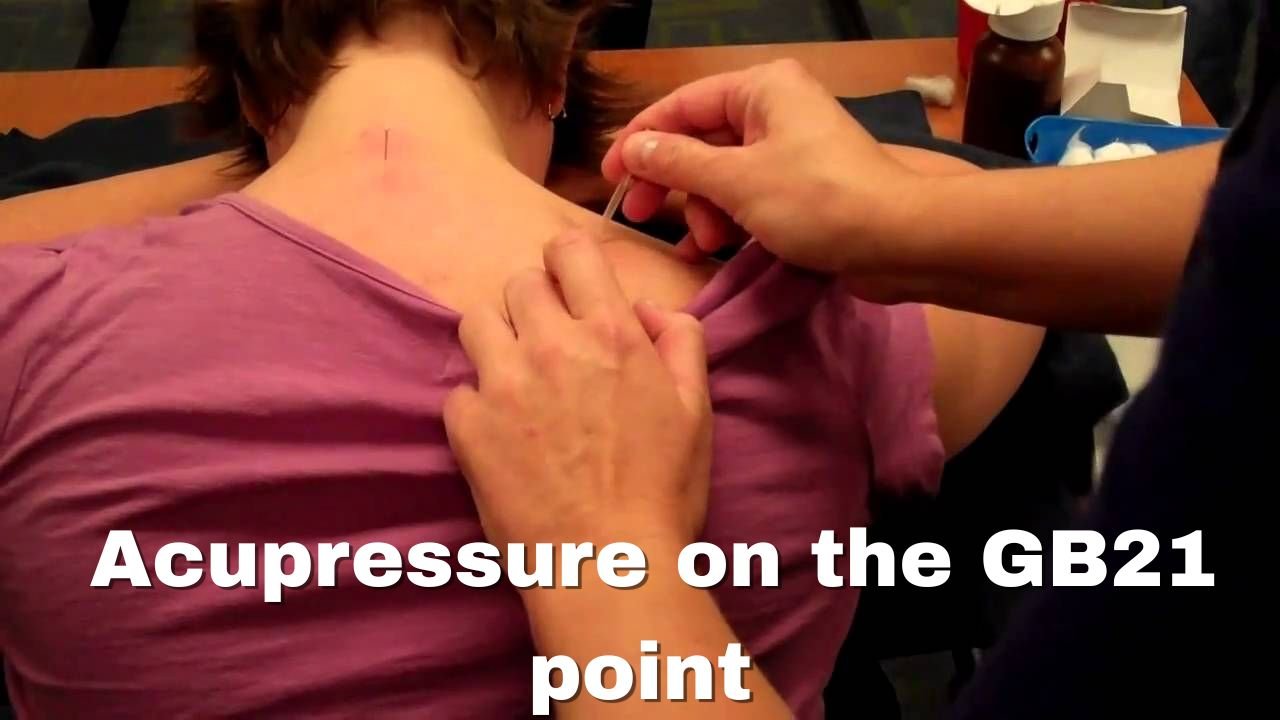
The GB21 acupressure point sits at the highest point of the shoulder, midway between the neck and the edge of the shoulder, and applying firm downward pressure with your thumb or index finger to this point for 60 to 90 seconds on each side releases tension in the trapezius and cervical muscles through a neurological reflex pathway. This point is one of the most consistently effective acupressure points for immediate neck and shoulder tension relief, and the mechanism — triggering a release response in the muscle through sustained pressure on a nerve-dense point — is recognized in both traditional and modern manual therapy.
16. The sternocleidomastoid release
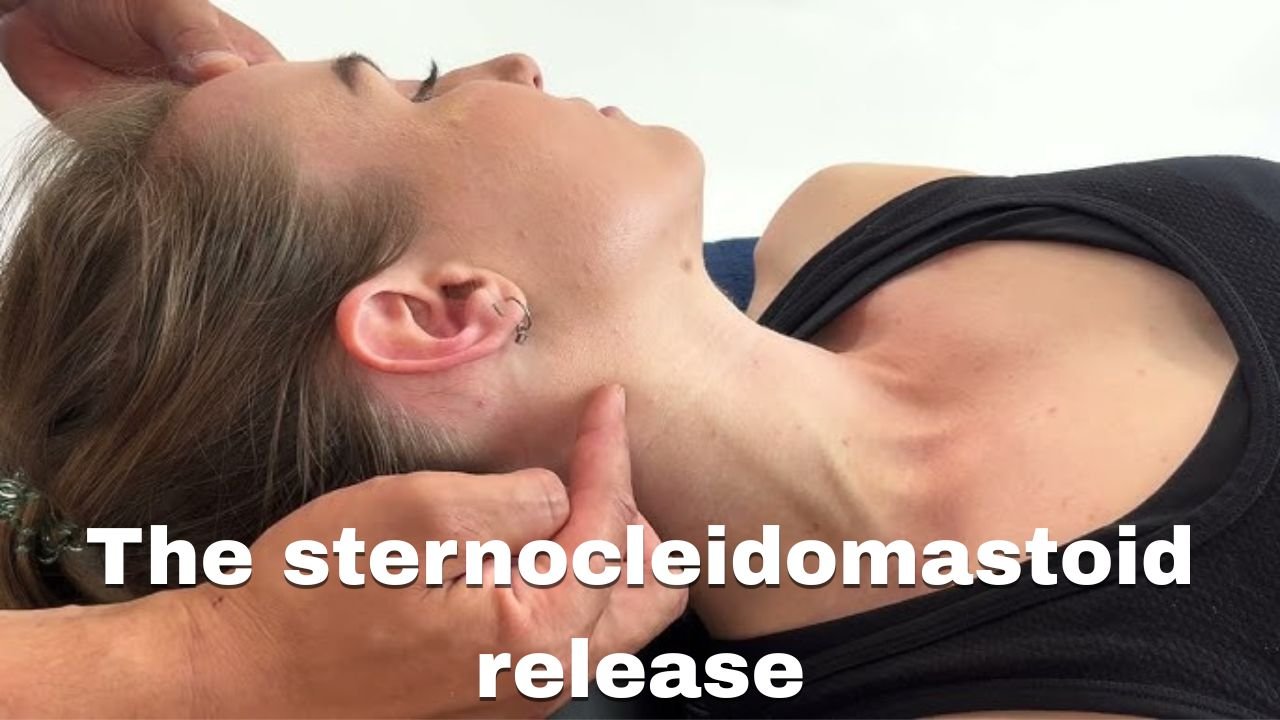
Tilt your head slightly to one side to make the large rope-like muscle visible running from behind your ear down to your collarbone, then gently pinch it between your thumb and fingers and apply slow, light pressure while moving from the top of the muscle down to the base over the course of two to three minutes. The sternocleidomastoid is one of the most overlooked sources of neck pain, jaw tension, and headaches because it is rarely directly addressed in standard neck stretches, yet it holds enormous amounts of tension in people who sit at desks, drive frequently, or experience stress.
17. Diaphragmatic breathing to release neck muscle tension
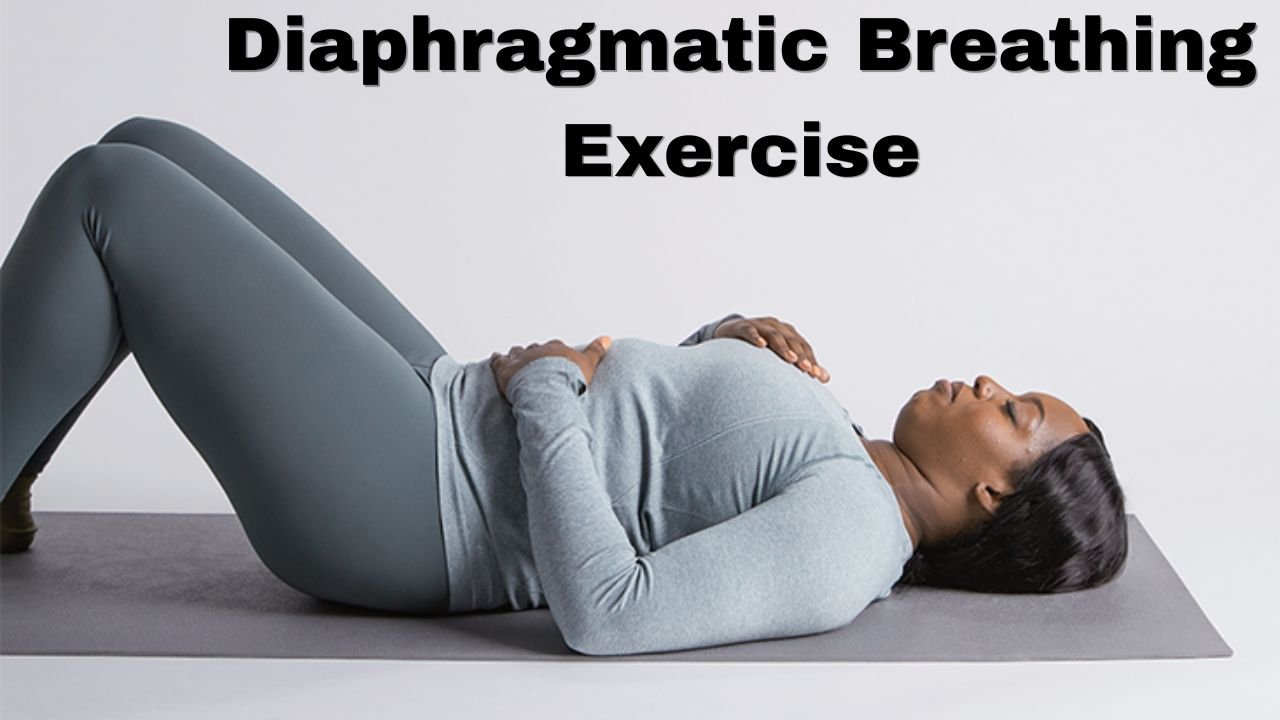
Lie on your back with one hand on your chest and one on your belly, and practice breathing so that only the belly hand rises while the chest hand stays relatively still — do this for three to five minutes with slow, full exhales. This matters for neck pain because shallow chest breathing activates the accessory breathing muscles in the neck and upper chest — including the scalenes and sternocleidomastoid — hundreds of times every hour, creating a chronic overuse tension in these muscles that standard stretching alone cannot fully resolve.
18. The figure-four thoracic rotation stretch
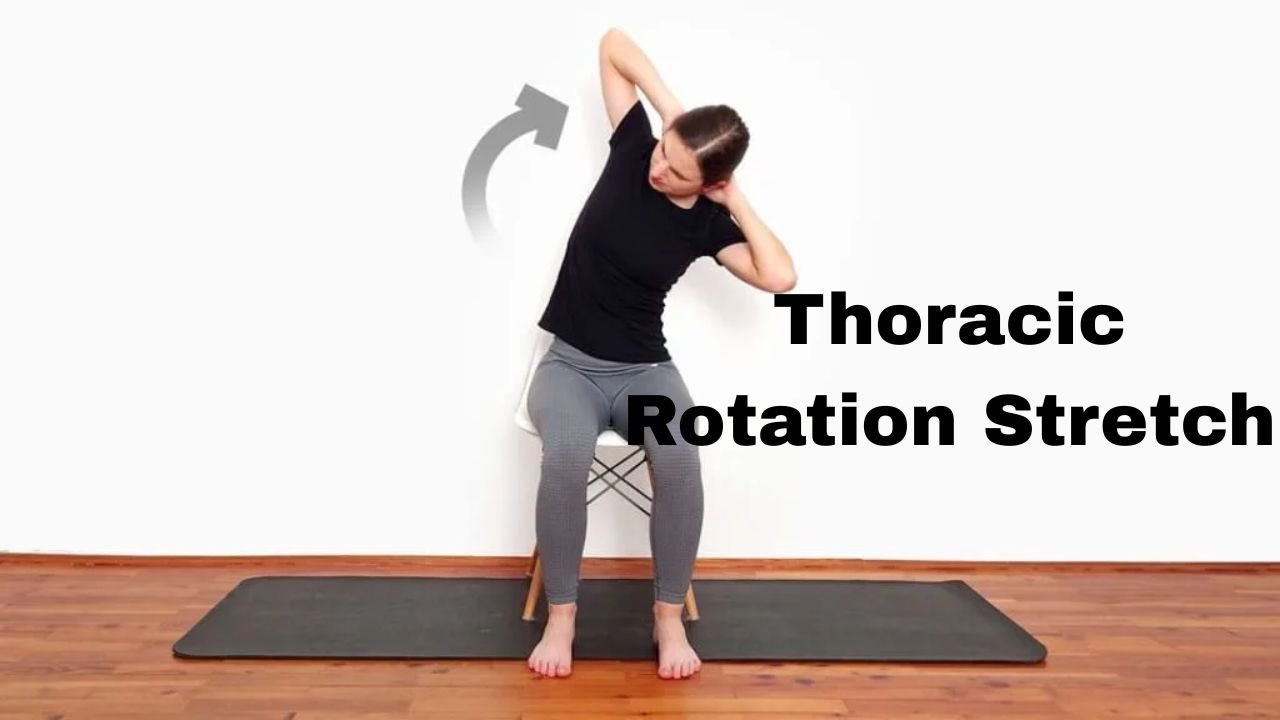
Lie on your side with your knees bent and stacked, place your top hand behind your head with elbow pointing upward, and slowly rotate your top elbow toward the floor behind you while keeping your knees together — hold for three to five breaths and repeat five times on each side. This mobilizes the thoracic spine, the mid-back region that when stiff forces the neck to compensate with excessive movement and load, and restoring thoracic rotation directly reduces the mechanical demand placed on the cervical spine.
19. Eye movement resets for tension headache and neck pain
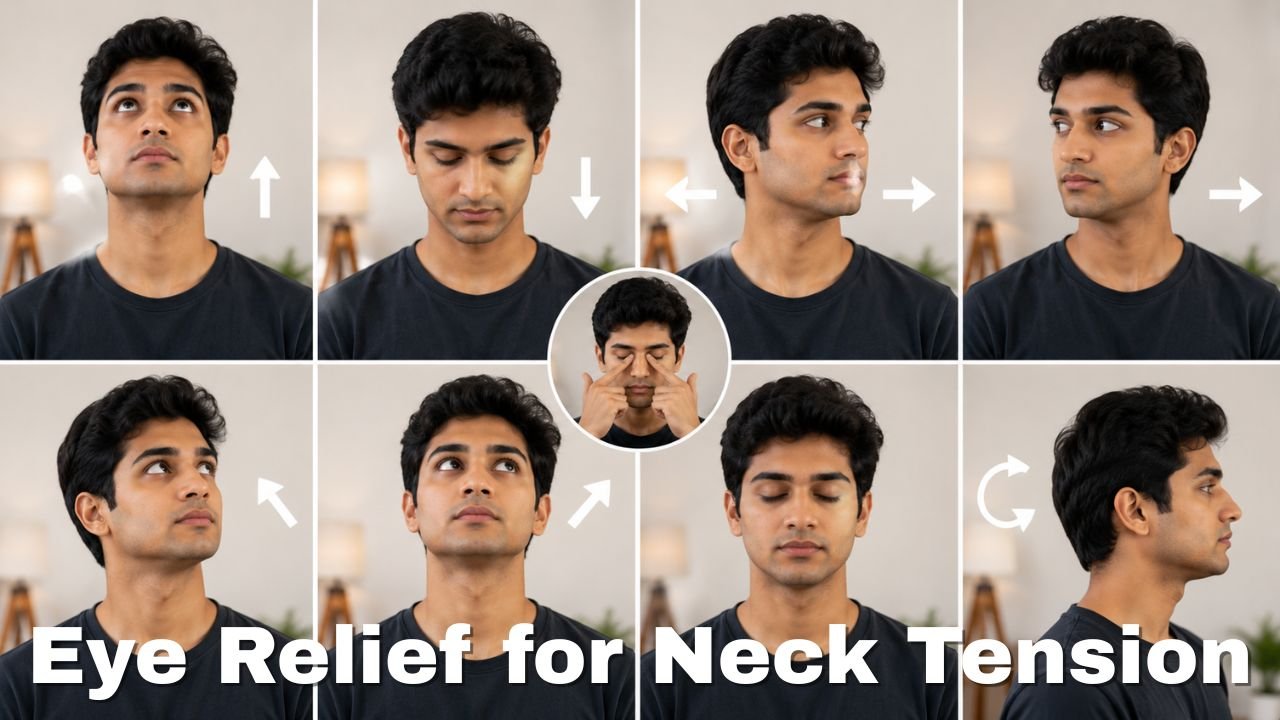
Sit upright, keep your head completely still, and slowly move only your eyes through a full range of motion — up, down, left, right, and diagonally — holding each position for three to five seconds and repeating the full sequence three times. The muscles that control eye movement share neurological pathways with the suboccipital muscles at the base of the skull, and deliberate, slow eye movements in all directions release tension in these neck muscles through a reflex mechanism that is well-documented in neuro-optometric and physiotherapy research.
20. The prayer stretch for cervical decompression
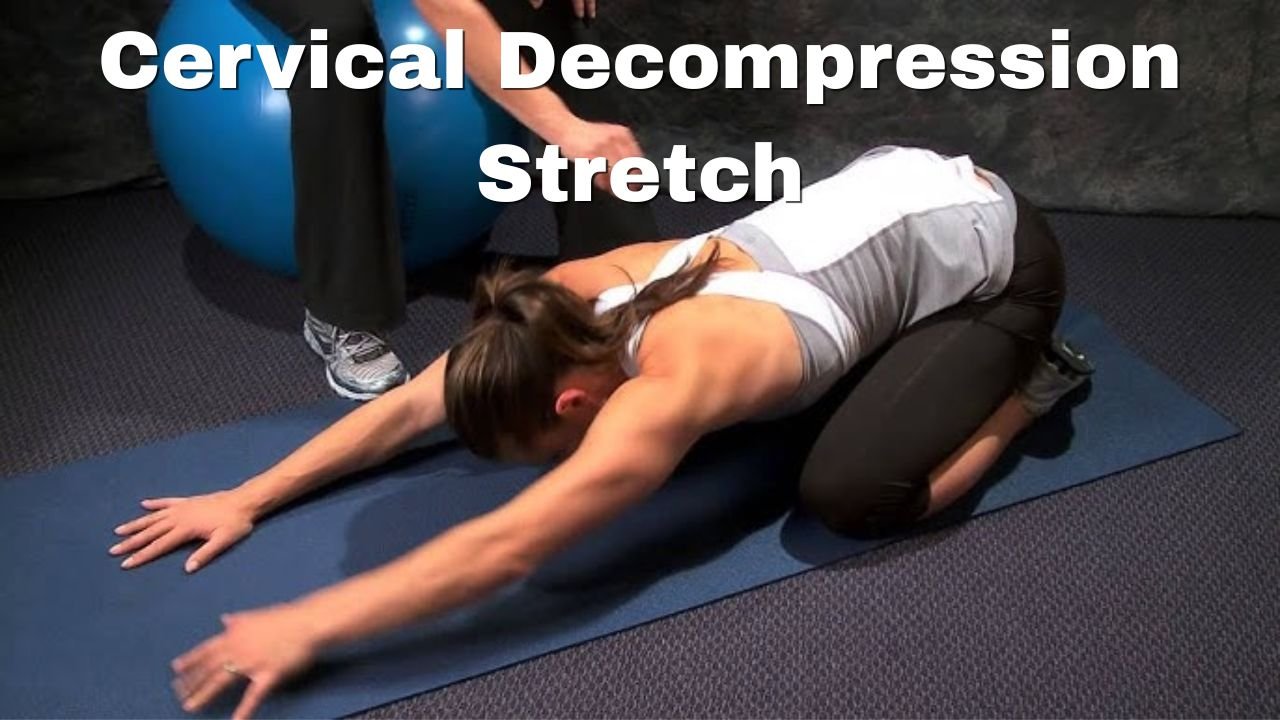
Kneel on the floor, sit back toward your heels, and extend both arms forward on the floor in front of you while allowing your head to drop between your arms — hold this position for three to five minutes while focusing on slow, deep breathing that expands the back of your ribcage. This position gently tractions the entire spine including the cervical region, decompresses the facet joints that bear the most load during upright sitting and standing, and allows the deep paraspinal muscles to fully release in a way that is almost impossible to achieve in any upright position.
Disclaimer:
This article is for informational purposes only and is not a substitute for professional medical advice, diagnosis, or treatment. If you are experiencing severe, persistent, or worsening neck pain, or pain accompanied by numbness, tingling, or weakness in the arms, please consult a qualified healthcare provider before attempting any home exercises or techniques. Always seek guidance from a licensed medical professional for any personal health concerns.