25 Foods You Should NEVER Store in the Fridge

Most people believe the fridge is the safest place for almost everything in the kitchen. But that common belief is quietly ruining your food, your health, and even your wallet every single day. The truth is, your refrigerator is actually the enemy of many everyday foods. Once you find out what you have been storing wrong all along, you will never look at your kitchen the same way again.
1. That Bread You Chilled? Big Mistake

Storing bread in the fridge feels smart, but it is actually one of the fastest ways to ruin it. The cold temperature speeds up a process called starch retrogradation, which makes bread go stale much quicker than leaving it on the counter. The best place for bread is a cool, dry spot on your counter or in a bread box. It stays soft, fresh, and full of flavor for days longer than it ever would inside your refrigerator.
2. Honey That Will Never Go Bad — Unless You Chill It

Honey is one of the few foods in the world that has no real expiration date when stored correctly. Archaeologists have found thousand-year-old honey in ancient Egyptian tombs that was still perfectly edible. But the moment you refrigerate honey, it crystallizes and turns thick and grainy. It becomes nearly impossible to pour, scoop, or mix into anything without a major fight
3. Onions Go Soft and Moldy Fast in the Cold
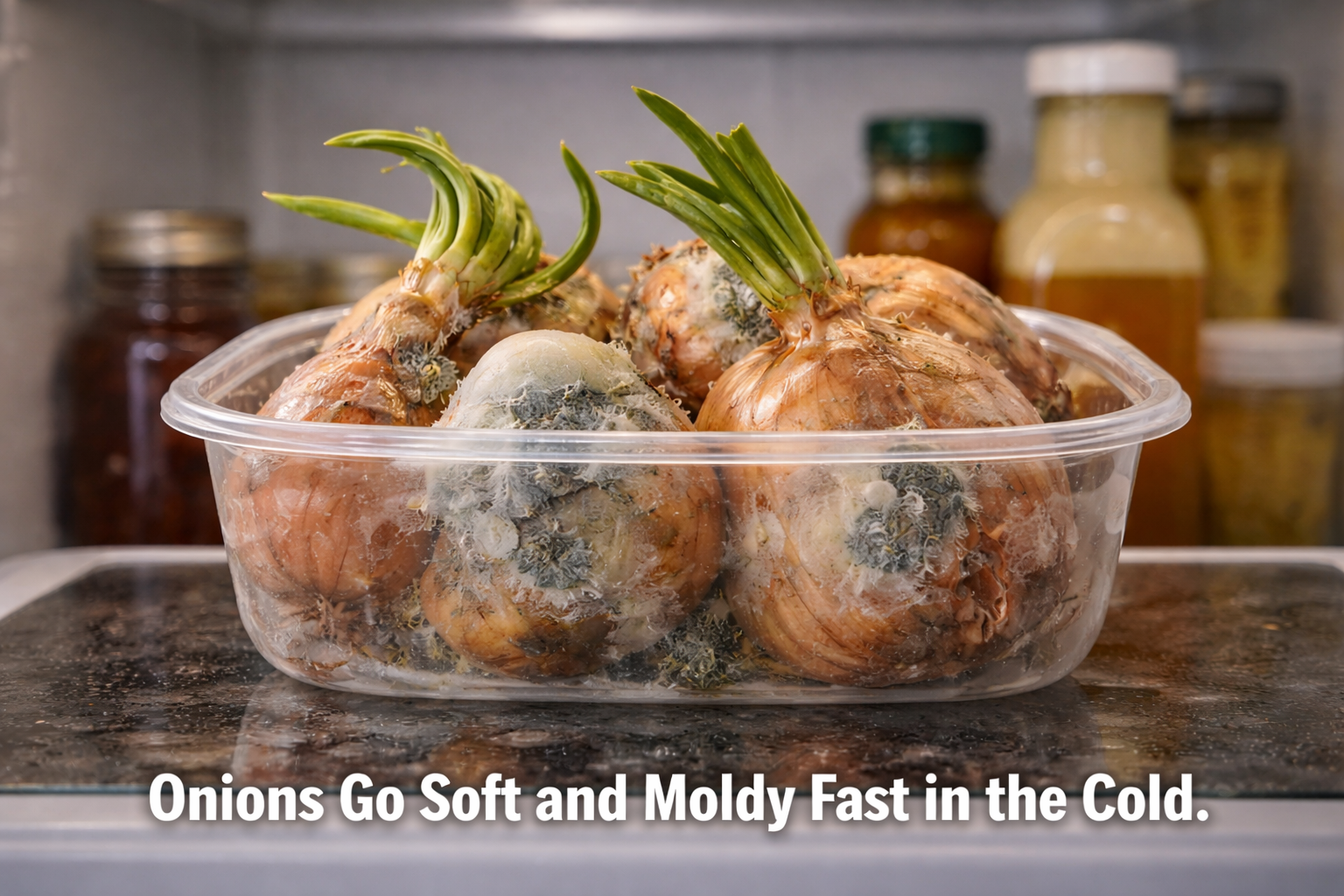
Whole onions need airflow to stay firm and fresh, which is the exact opposite of what a refrigerator provides. The cold, humid environment inside your fridge causes onions to become soft, mushy, and moldy within days. The moisture from the fridge also transfers the strong onion smell to everything else stored nearby. Your butter, your leftovers, even your fruits can end up tasting faintly of onion. Store whole onions in a mesh bag or open basket in a cool, dark, ventilated spot outside the fridge.
4. Your Tomatoes Are Dying in There
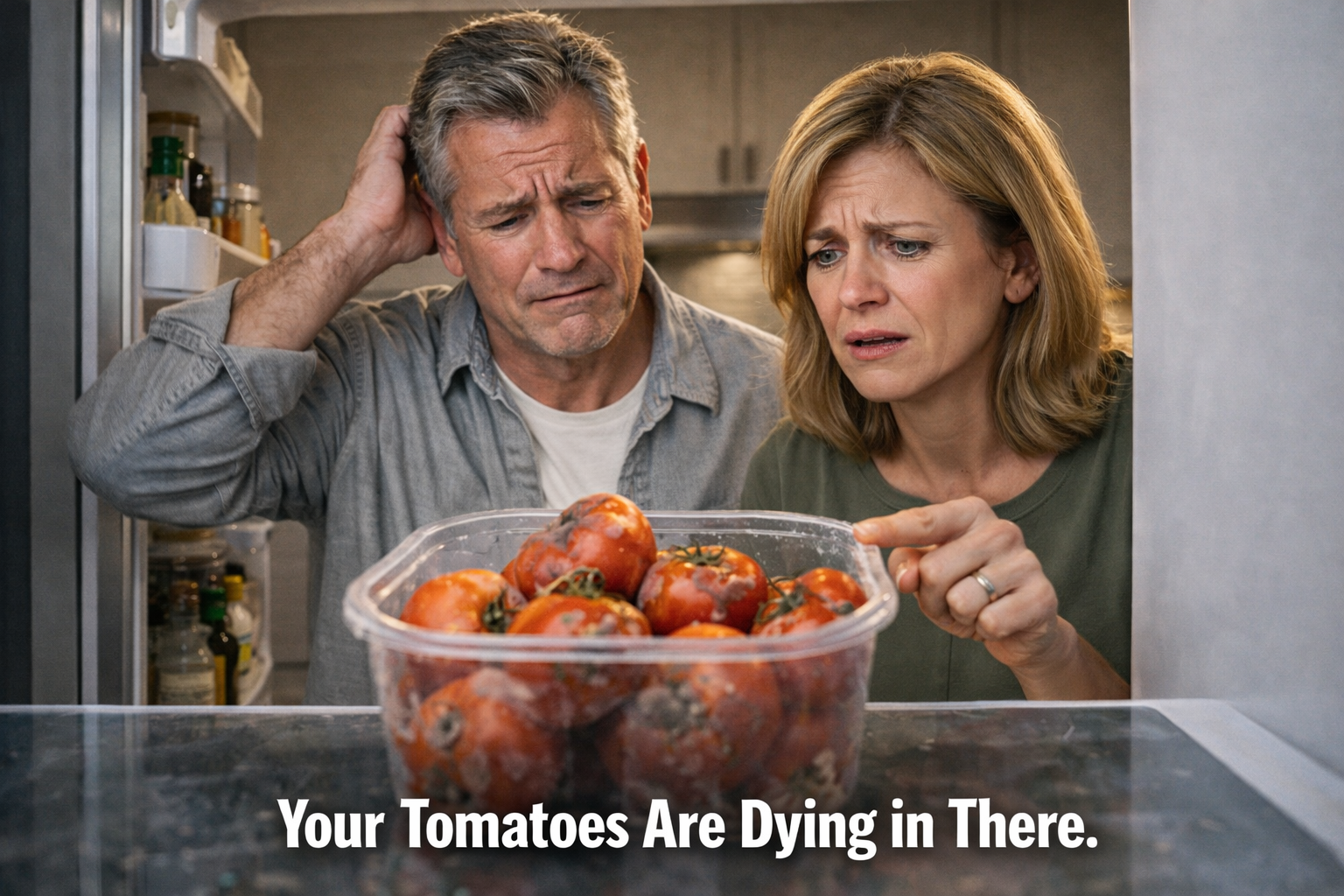
Tomatoes are one of the most commonly mishandled foods in home kitchens around the world. When you put them in the fridge, the cold breaks down their cell walls and kills off the compounds that give them their rich, sweet flavor. What you get out is a mealy, flavorless, pale version of what a tomato should be. That sad, watery slice on your sandwich? That is what refrigeration does to a perfectly good tomato.
5. Garlic Sprouts and Rubbery Cloves in the Fridge
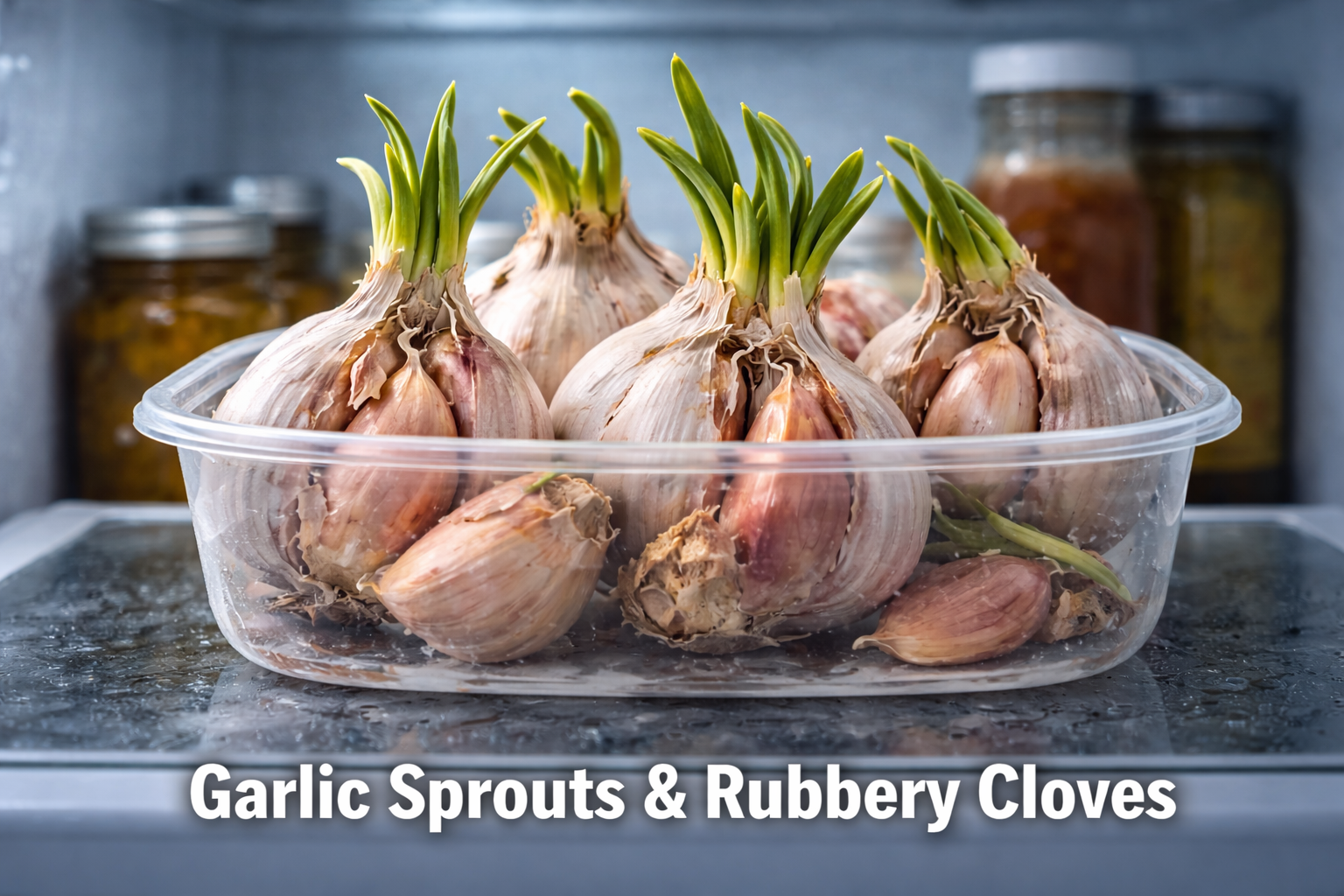
Whole garlic bulbs stored in the refrigerator quickly turn rubbery and start sprouting green shoots through the cloves. Those sprouts are not dangerous, but they taste bitter and change the entire flavor of your dish. Garlic actually keeps best when it can breathe, stored in a dry, cool, airy spot like a small basket or ceramic garlic keeper on your countertop. It needs circulation, not cold.
6. Potatoes Turn Sweet and Gritty When Chilled

Storing potatoes in the fridge converts their natural starches into sugars very rapidly. The result is a potato that tastes oddly sweet and has a gritty, unpleasant texture when cooked. There is also research suggesting that cooking high-sugar potatoes at high temperatures may produce higher levels of acrylamide, a compound that health experts keep a close eye on. So chilling your potatoes could be more than just a flavor problem.
7. Avocados That Never Ripen the Way You Want
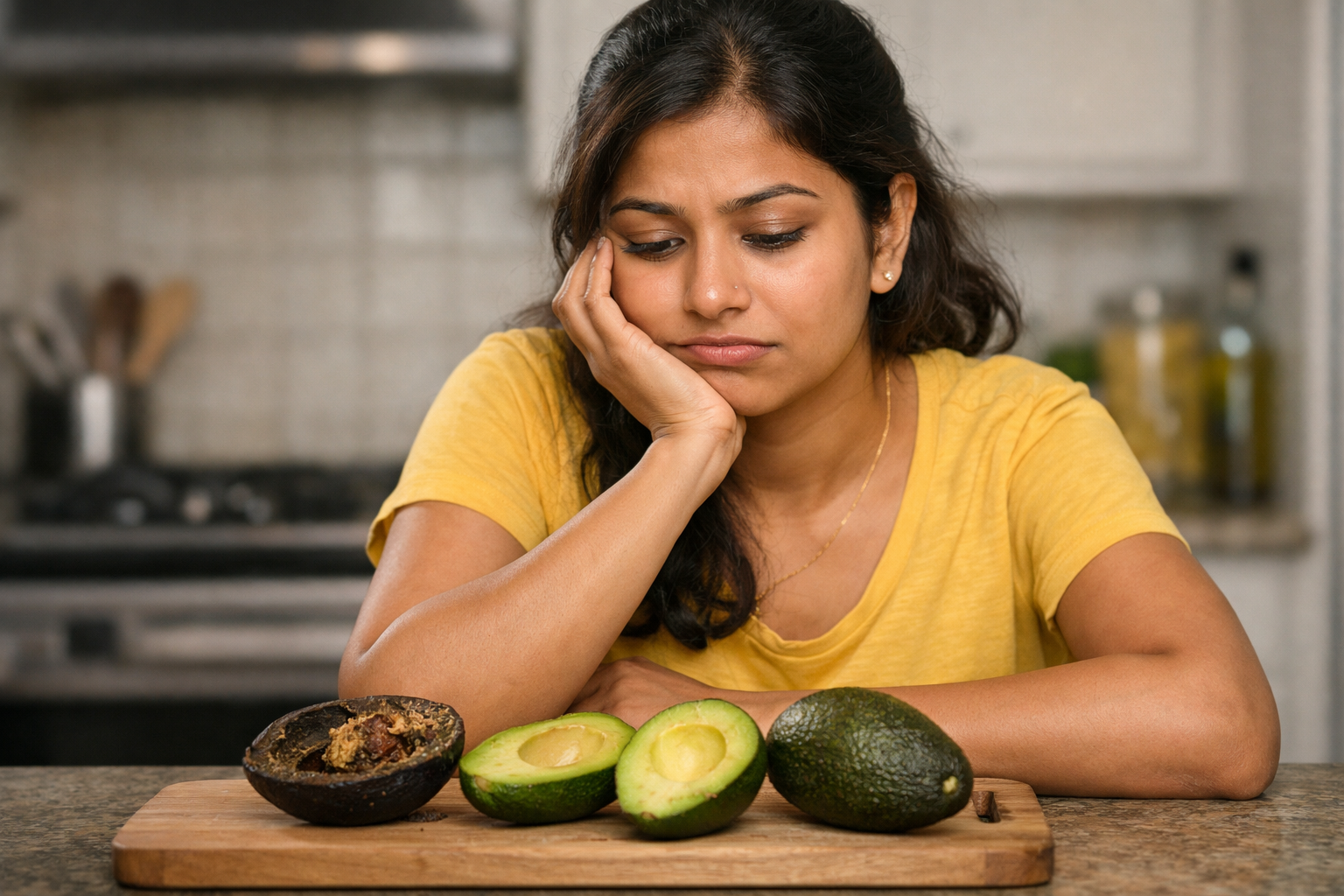
If you have ever bought a firm avocado and put it straight into the fridge hoping it would ripen there, you already know the disappointment that follows. The cold air essentially pauses the ripening process and can leave you with an avocado that never quite reaches that perfect, creamy texture. Unripe avocados need to sit at room temperature, ideally near other fruits, because ethylene gas from fruits like bananas helps speed up the ripening naturally.
8. Coffee Loses Its Soul in Cold Storage
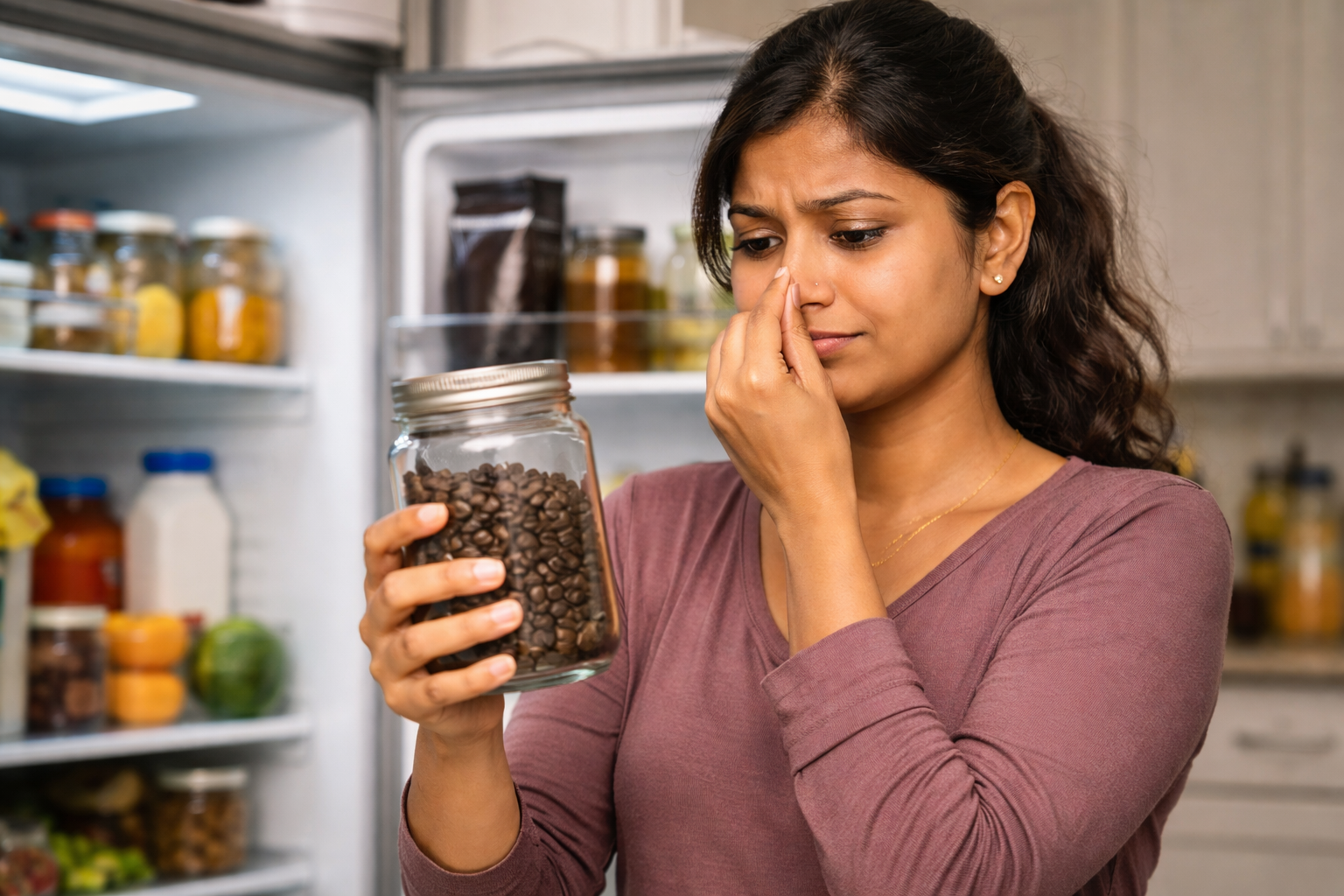
Ground coffee and whole beans stored in the refrigerator absorb moisture and pick up odors from surrounding foods at an alarming rate. Your morning cup can end up tasting like last night’s leftover curry or last week’s cheese if you are not careful. Coffee flavor comes from volatile aromatic compounds that are incredibly fragile and easily disrupted. The condensation that forms when you take cold coffee in and out of the fridge damages those compounds quickly and silently.
9. Olive Oil Turns Cloudy and Thick Overnight
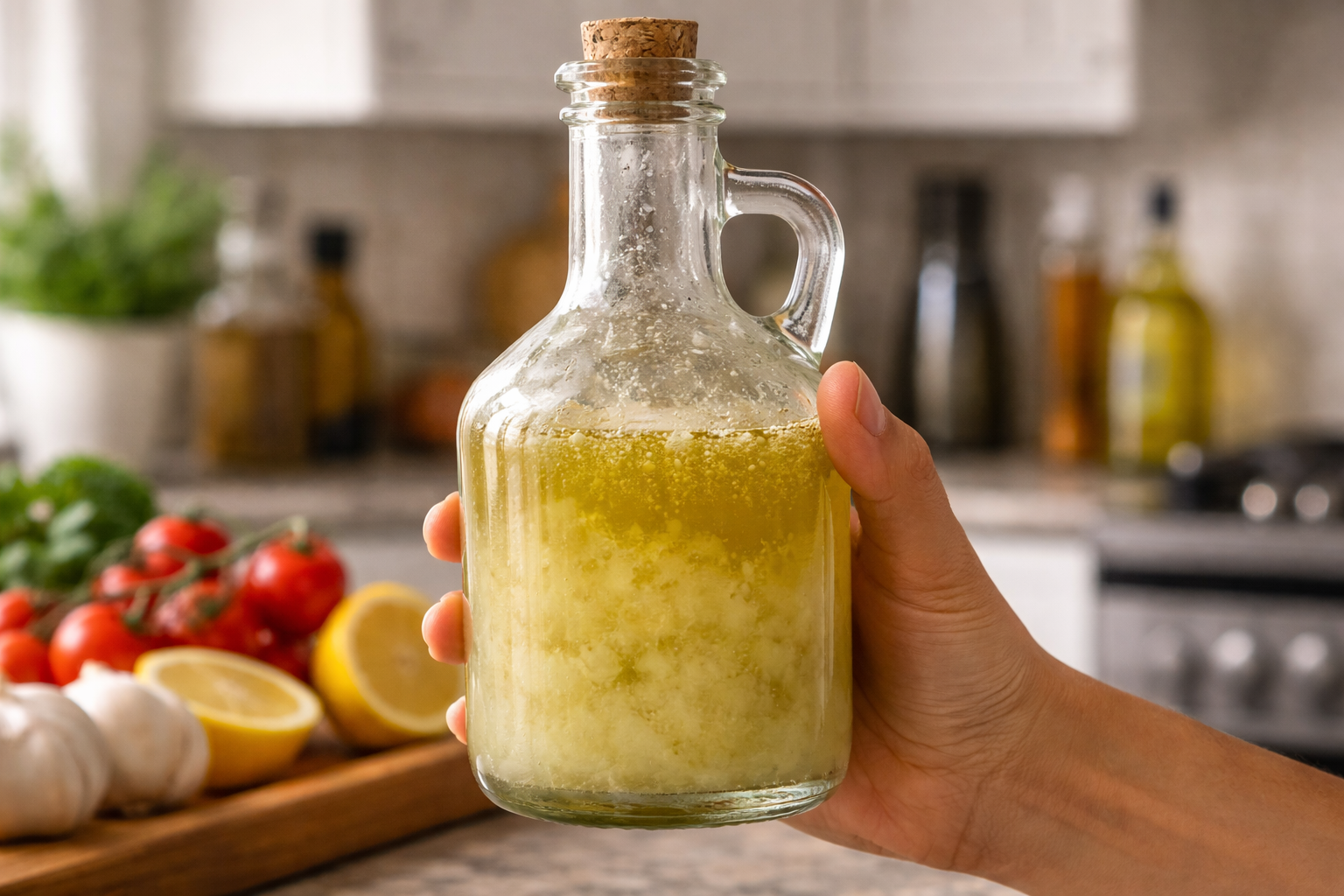
Putting olive oil in the refrigerator causes it to solidify and turn into a cloudy, waxy substance that looks nothing like the smooth liquid you poured in. While it technically becomes liquid again at room temperature, the repeated cycle of chilling and warming can affect its quality over time. Extra virgin olive oil contains delicate polyphenols and flavor compounds that are best preserved away from extreme temperatures, both hot and cold.
10. Stone Fruits Lose Texture the Hard Way
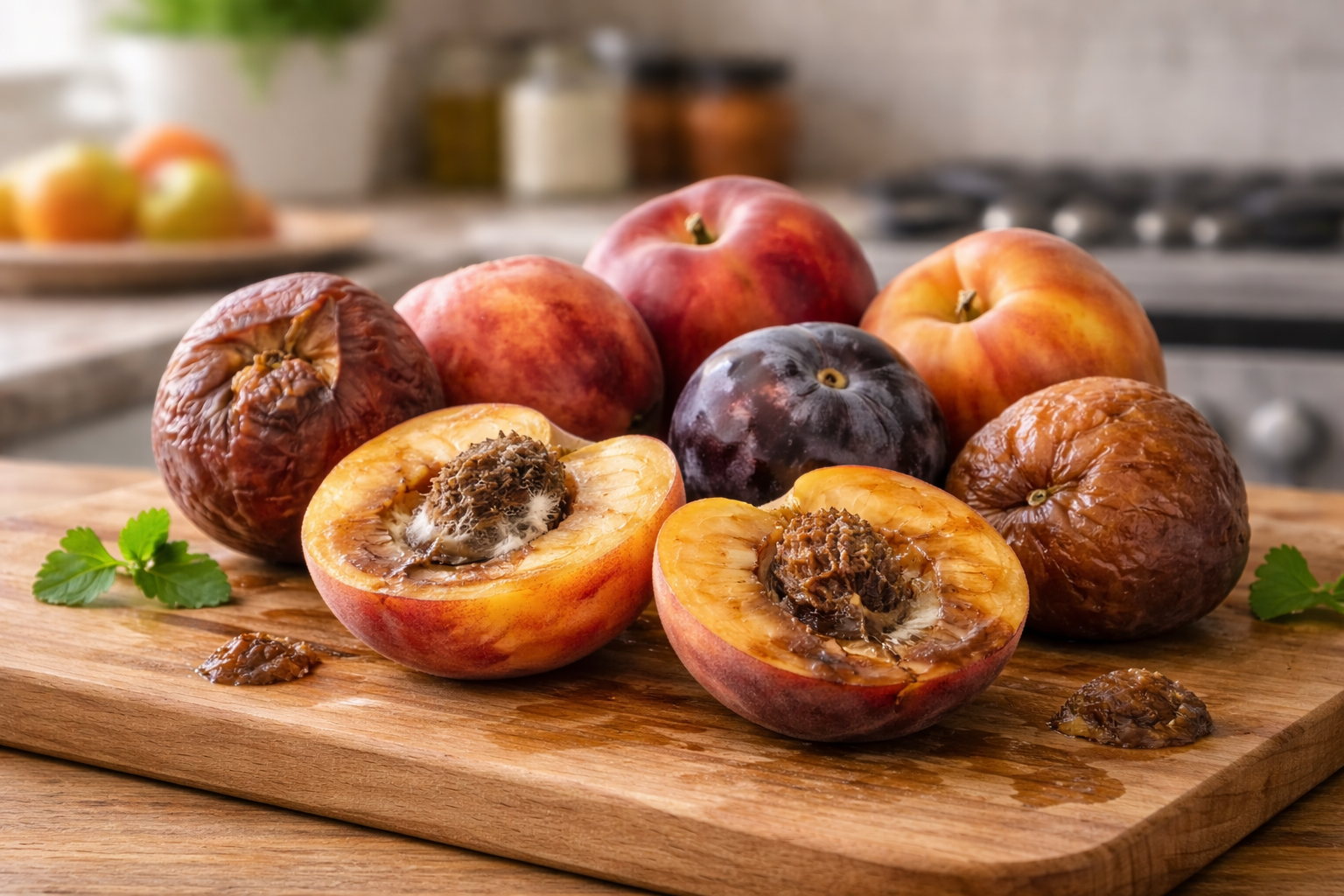
Peaches, plums, nectarines, and cherries are stone fruits that ripen and develop their best flavor at room temperature. Putting them in the fridge before they are fully ripe stops that process dead in its tracks and leaves you with mealy, flavorless fruit. The cold damages the delicate flesh from the inside out, creating a woolly, dry texture that feels nothing like the juicy fruit you were expecting.
11. Bananas Turn Black Way Too Fast

Bananas are one of the most cold-sensitive fruits in existence. The moment you put a banana in the fridge, the skin turns dark brown or completely black very rapidly due to a process called enzymatic browning triggered by the cold. The flesh inside usually remains edible but the fruit takes on an odd, slightly fermented flavor that most people find unappealing.
12. Hot Sauce Sits Fine on the Counter for Months

Most commercially made hot sauces are loaded with vinegar and salt, two natural preservatives that keep bacteria at bay without any refrigeration needed. The label on many hot sauce bottles even says refrigeration is optional or only suggested after opening. Refrigerating hot sauce does not make it safer, it just takes up fridge space and makes the sauce slightly thicker and harder to pour.
13. Melon That Loses Its Antioxidants in the Fridge

Whole, uncut melons like watermelon, cantaloupe, and honeydew are better off staying at room temperature on your counter. Research from the United States Department of Agriculture once found that melons stored at room temperature actually retained higher levels of nutrients, including antioxidants and beta-carotene, than those kept in the cold.
14. Peanut Butter Gets Stiff and Impossible to Spread

Natural peanut butter stored in the fridge becomes extremely thick, hard, and nearly impossible to spread without tearing your bread to shreds. The cold causes the natural oils to solidify, changing the texture dramatically from the smooth, creamy consistency you love. Commercial peanut butter with added stabilizers can handle refrigeration a bit better, but even then there is no real reason to chill it.
15. Citrus Fruits Dry Out Behind That Cold Door
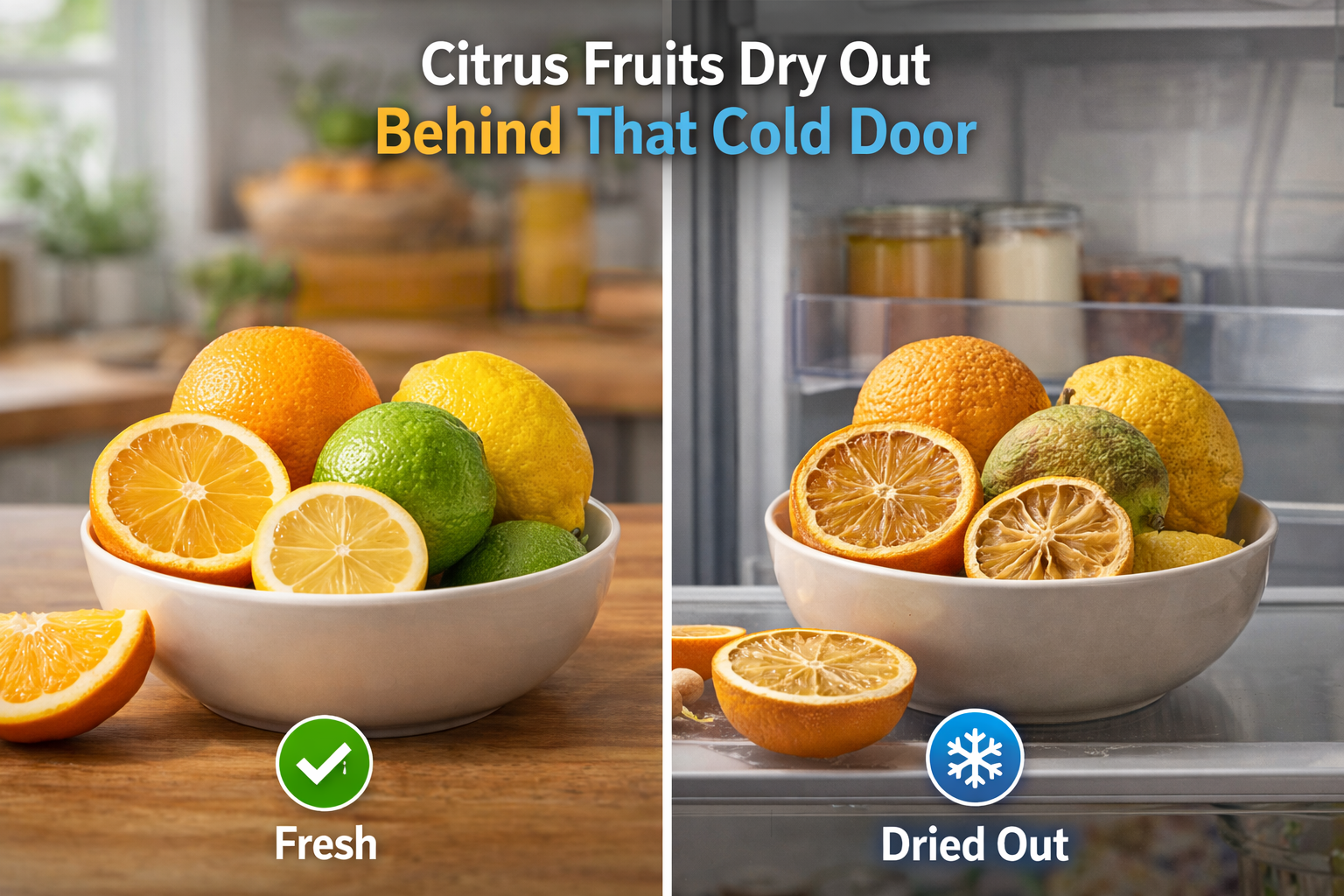
Oranges, lemons, limes, and grapefruits all do better at room temperature than inside a refrigerator. The cold, dry air inside the fridge gradually draws moisture out of citrus skin and dries out the flesh inside, leaving you with much less juice than the fruit should have. If you have ever squeezed a fridge-cold lemon and been disappointed by the tiny amount of juice that came out, this is exactly why.
16. Ketchup Has Been Fine Outside the Fridge Forever
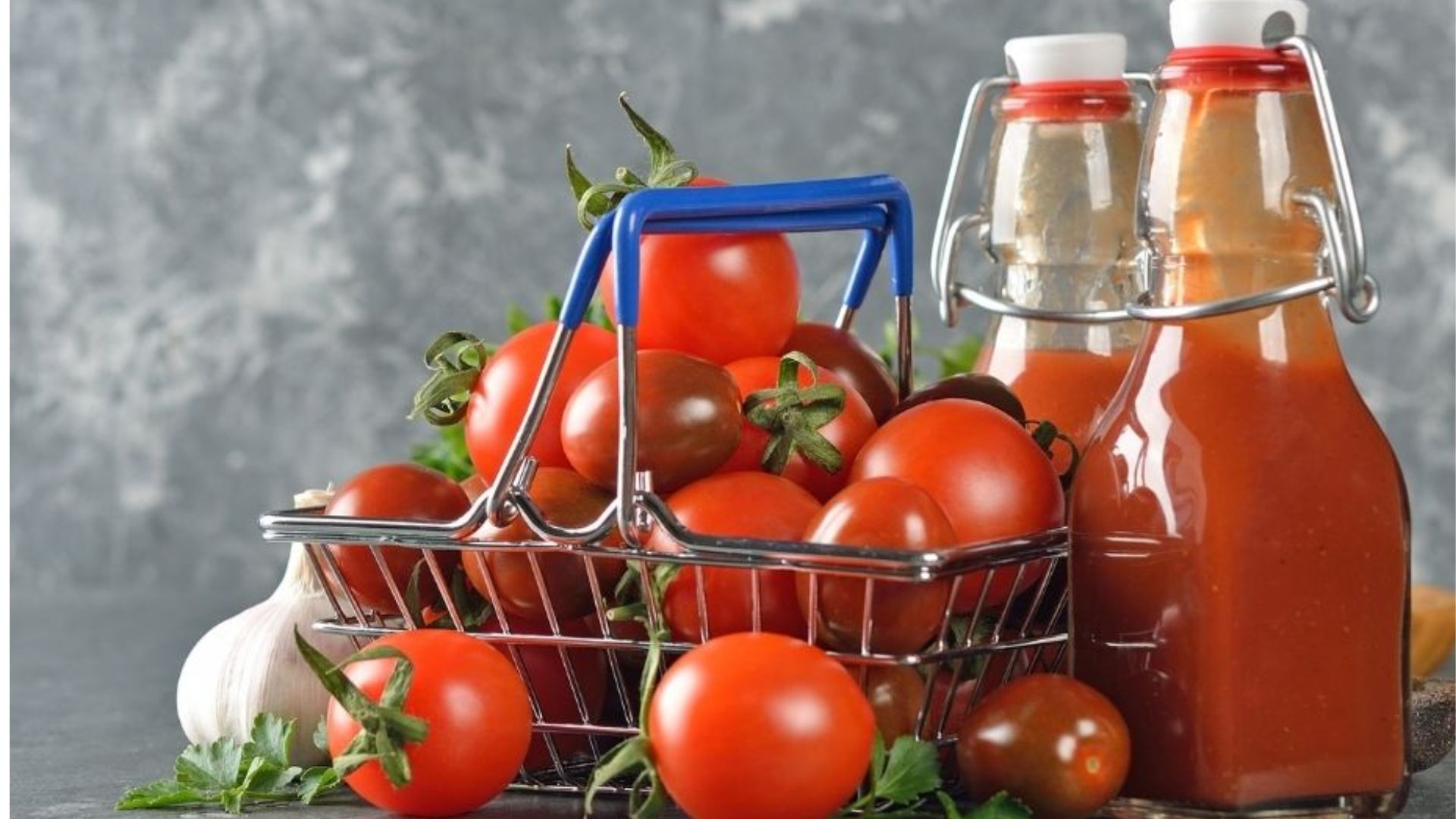
For most of human history, ketchup sat in pantries, on tables, and in restaurant dispensers at room temperature without causing anyone harm. The high vinegar and sugar content of ketchup creates a naturally hostile environment for bacteria. Restaurants around the world leave ketchup bottles on tables for hours and even days without refrigerating them between uses.
17. Cake Goes Dry and Stale in the Fridge Overnight

Putting a freshly baked or store-bought cake in the refrigerator is one of the fastest ways to ruin it. The cold air pulls moisture right out of the sponge, leaving you with a dense, dry, crumbly cake that bears little resemblance to what it was the day before. Cakes frosted with buttercream or ganache actually do best stored in a cake dome at room temperature for up to several days. The frosting acts as a protective seal that keeps the moisture locked inside the layers.
18. Spices Lose Their Punch Fast in Cold Air

Ground spices and dried herbs stored inside the fridge are exposed to moisture every single time the refrigerator is opened. That moisture is the number one enemy of dried spices, causing them to clump, lose potency, and go stale far faster than they ever would in a dry cabinet. The condensation cycle that happens when cold spice jars are brought into warm air and then returned to the cold steadily degrades the volatile oils that give spices their bold flavor and aroma.
19. Winter Squash Rots Faster Than You Think When Chilled
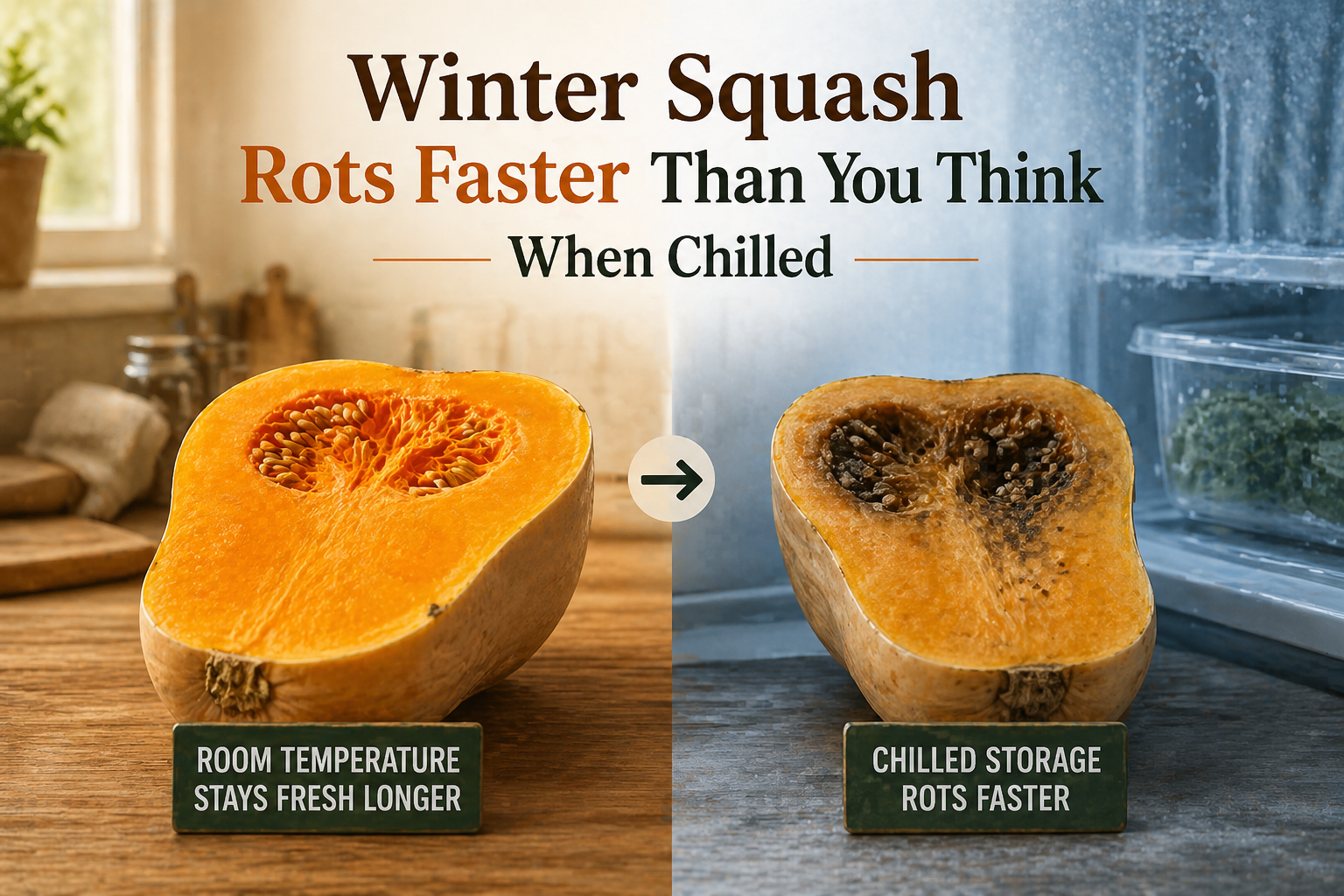
Whole butternut squash, acorn squash, and pumpkins are cold-sensitive vegetables that actually deteriorate faster in the refrigerator than they do stored properly at room temperature. The cold damages their outer skin and accelerates decay from the inside. In many traditional cultures, whole squash and gourds were kept in root cellars or cool, dry storage rooms for months at a time, not in ice boxes.
20. Soya Sauce Sits Safely in Your Pantry for Years

Soya sauce is one of the most naturally preserved condiments ever created. The extremely high salt content makes it microbiologically stable at room temperature for an impressively long time, sometimes more than a year after opening. Keeping it in the fridge does not harm it, but it is completely unnecessary for food safety purposes and takes up valuable door space in your refrigerator.
21. Nuts Turn Rancid Faster With Temperature Swings
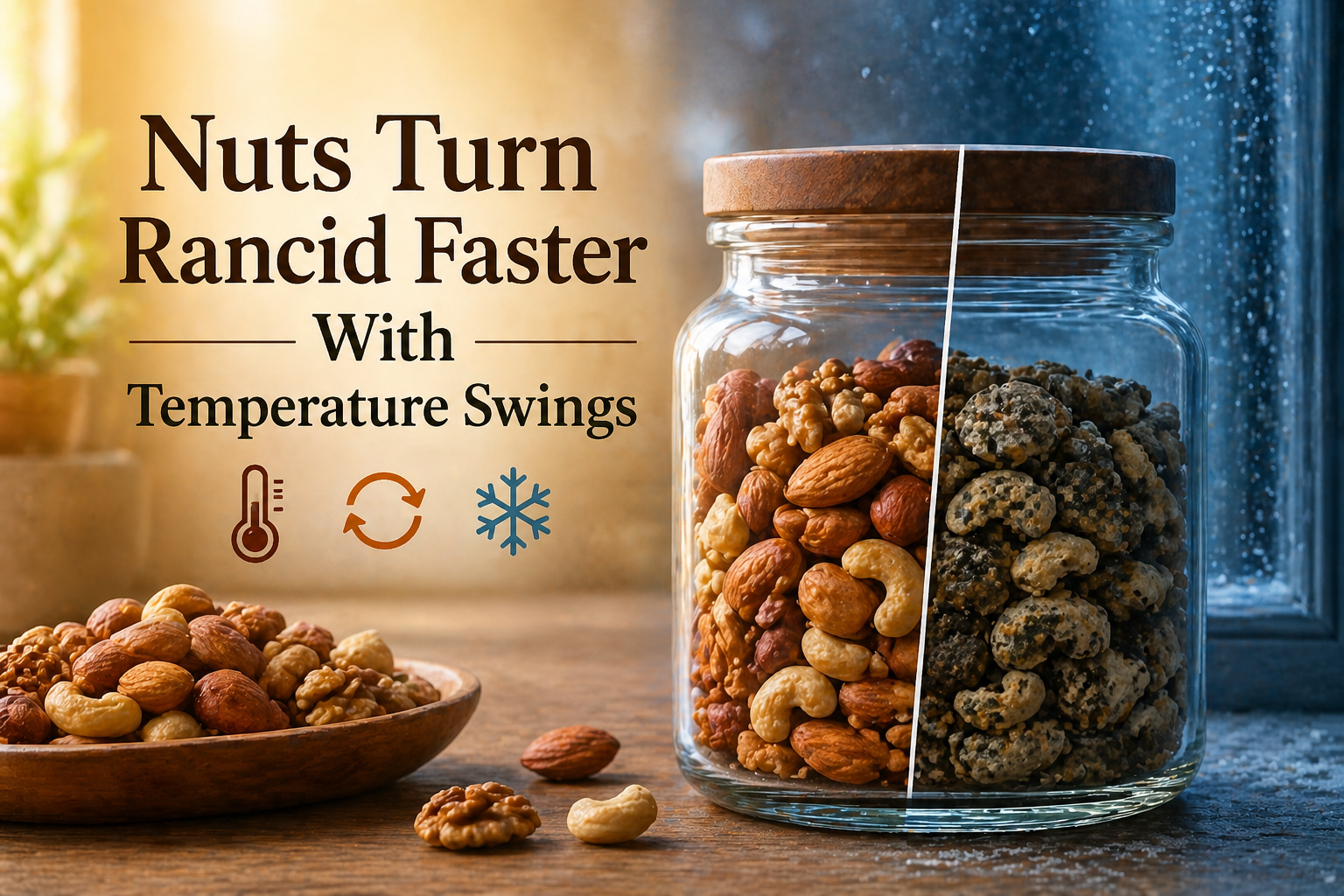
Whole nuts kept in the fridge are exposed to humidity every time the door opens and closes, which can actually speed up the development of rancidity rather than slow it down. The moisture gets into the outer layer of the nut and starts breaking down the natural oils faster than stable, dry room temperature storage would.
22. Dried Pasta Absorbs Smells and Moisture From the Fridge
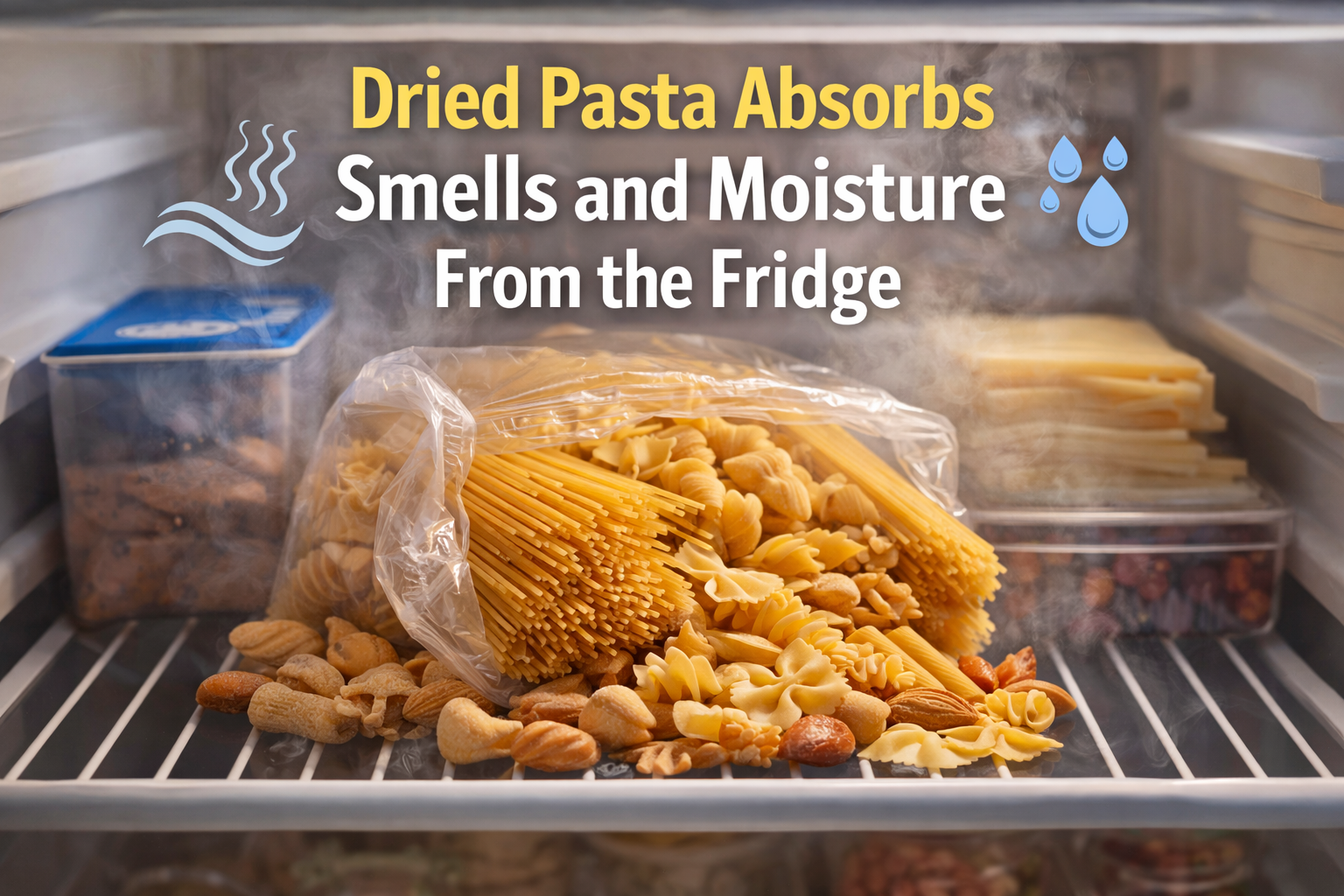
Dried, uncooked pasta has no business being inside a refrigerator. It is one of the most shelf-stable foods on the planet, with a shelf life that can stretch to two years or beyond when stored in a sealed container at room temperature. The fridge introduces humidity that can cause dried pasta to absorb moisture, which leads to soft, sticky surfaces and even mold growth over longer periods.
23. Jam and Preserves Are Designed to Live Outside the Fridge

The entire historical purpose of jam, jelly, and preserves was to store fruit safely at room temperature without refrigeration. The combination of high sugar content and the acidity from the fruit creates a preserved product that is shelf stable for a long time. Factory-sealed, unopened jars of jam can sit in your pantry for a year or more without any issue at all.
24. Vinegar Never Needs to Be Refrigerated

Vinegar is one of the most acidic common liquids found in any kitchen, and that acidity is so extreme that virtually no harmful bacteria can survive in it. Refrigerating vinegar does not make it safer, purer, or better in any measurable way. Both white vinegar and apple cider vinegar are stable at room temperature for years without any deterioration in quality or safety.
25. Tropical Fruits Suffer in Cold Climates — Even Inside Your Home
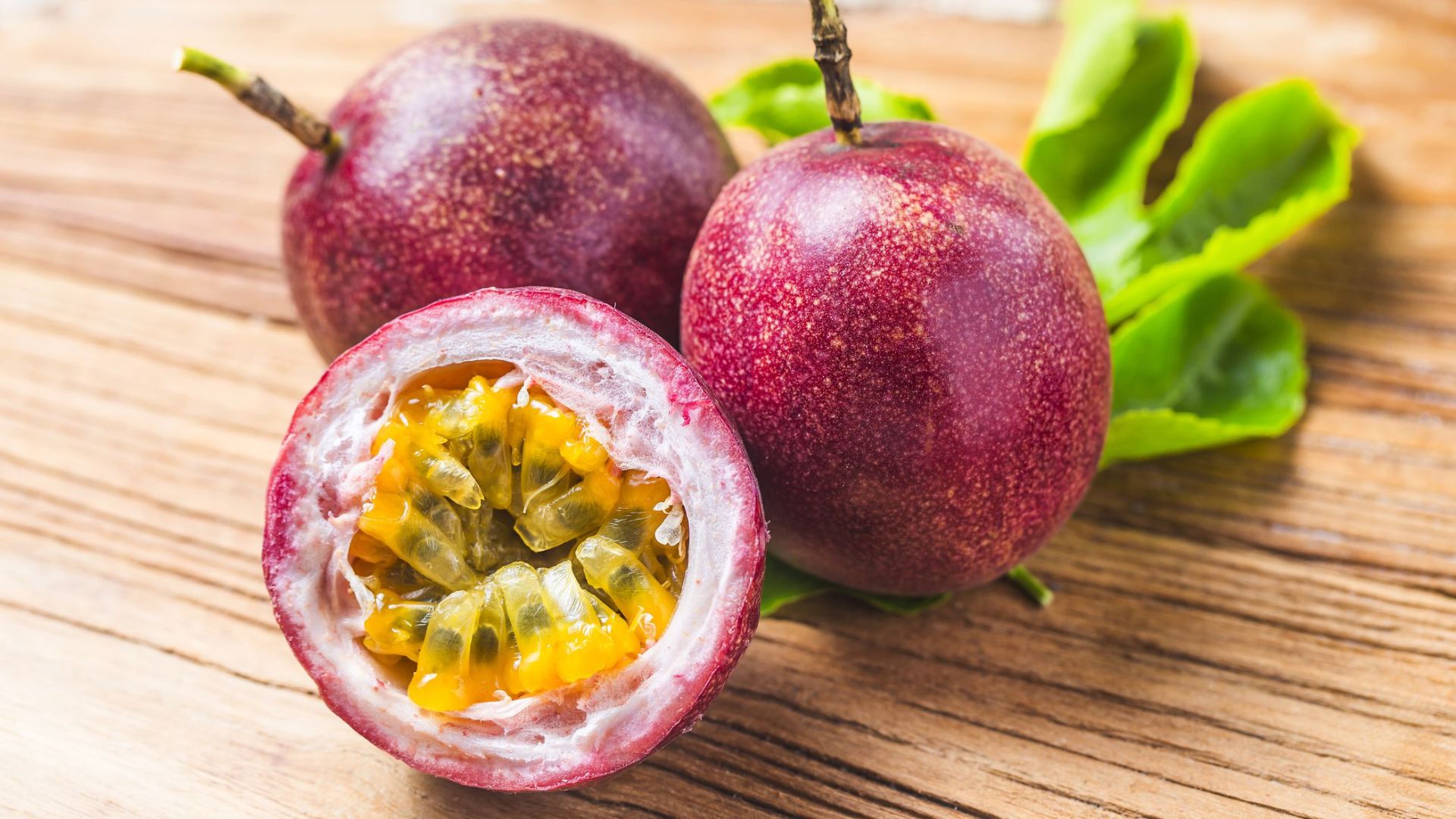
Mangoes, papayas, pineapples, and passion fruits are all tropical fruits that come from warm climates and have evolved to ripen and thrive in warmth, not cold. Putting unripe tropical fruits in the fridge essentially tells them to stop doing the one thing they are built to do. Even ripe tropical fruits suffer in cold storage, losing flavor, developing off-textures, and sometimes turning dark or fibrous in ways that make them much less enjoyable to eat.