The Hidden Reason Your Blood Pressure Stays High

Blood pressure is one of those things most people only think about when a doctor wraps a cuff around their arm, yet it is silently doing damage long before any obvious symptom ever shows up. A normal blood pressure reading sits at 120/80 mmHg or below — the first number measures the pressure when your heart beats, and the second measures the pressure when it rests between beats. Once readings consistently cross 130/80 mmHg you are already in the elevated zone, and anything above 140/90 mmHg is classified as high blood pressure or hypertension, which significantly raises your risk of heart attack, stroke, and kidney failure.
10 Hidden Reasons Your Blood Pressure Stays High
1. You are eating far more sodium than you think
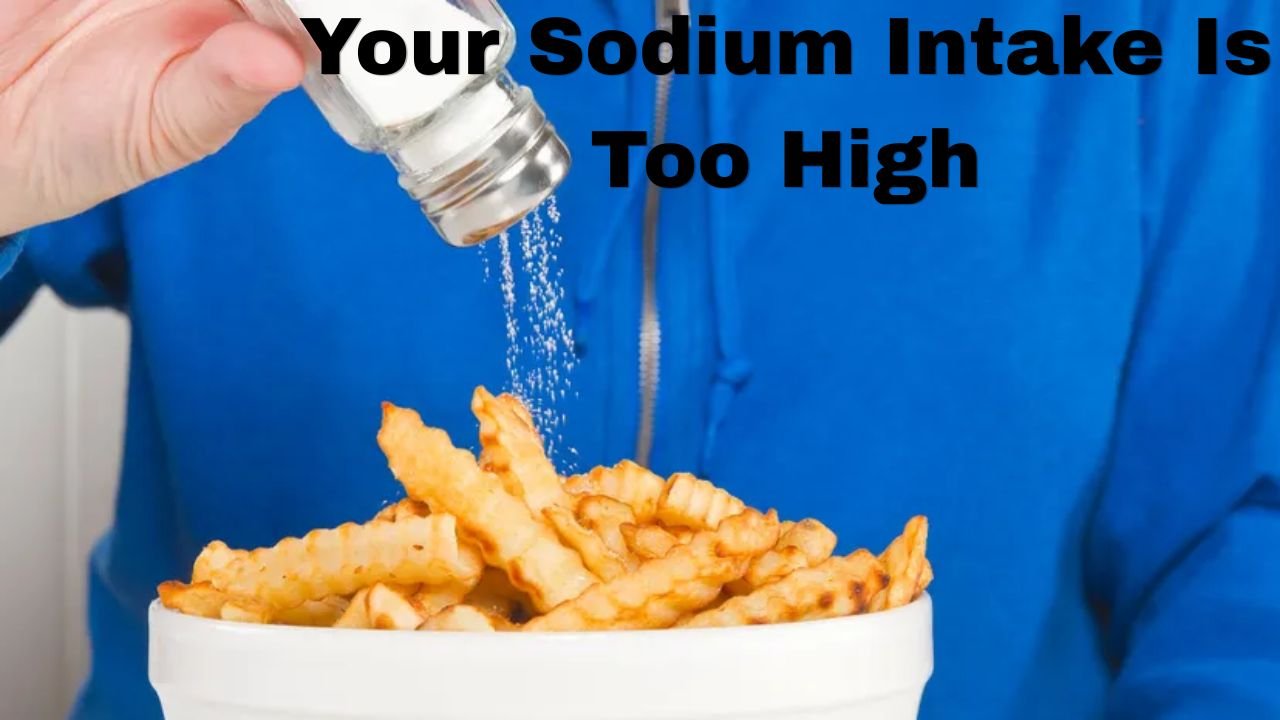
Sodium does not just come from the salt shaker on your table — it is hidden in bread, canned soups, sauces, restaurant meals, and processed snacks in surprisingly large amounts. Excess sodium causes your body to retain water, which increases the volume of blood in your vessels and forces your heart to pump harder. Most people consuming a typical modern diet are taking in nearly double the recommended daily limit without realizing it.
2. Chronic stress is keeping your nervous system in overdrive
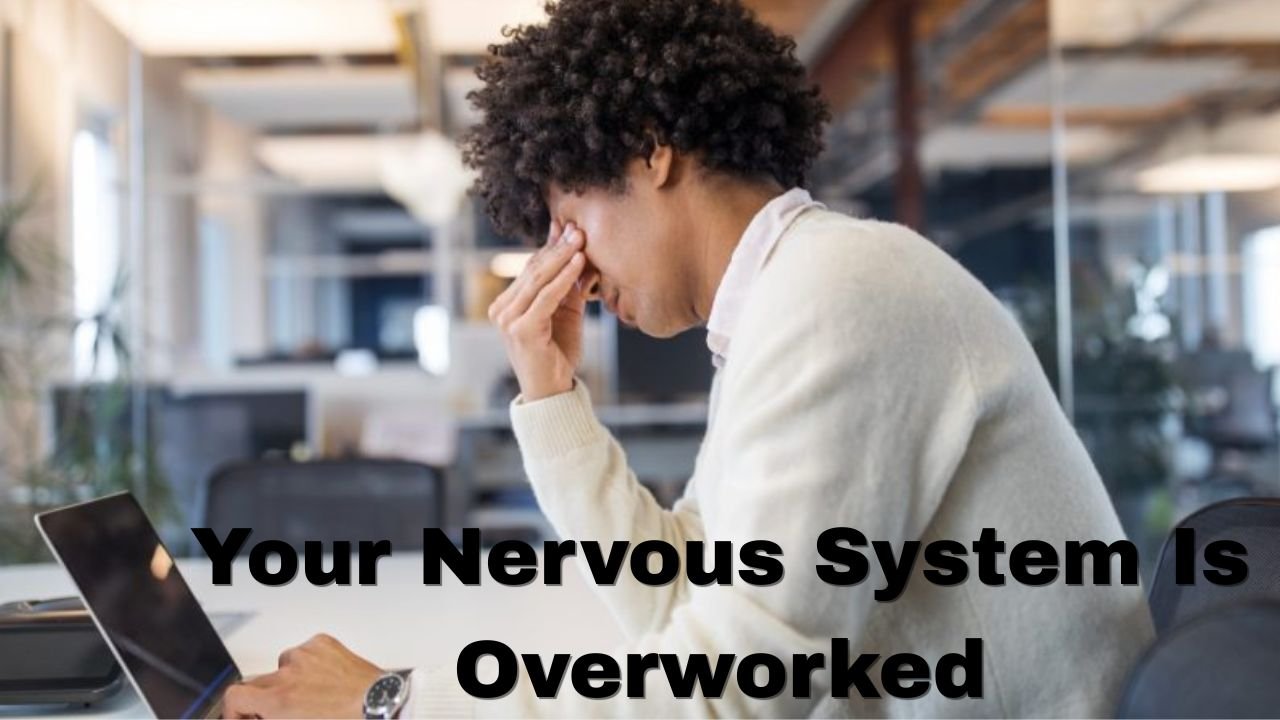
When you are under constant stress, your body stays in a low-level fight-or-flight state, which means stress hormones like cortisol and adrenaline are being released far more often than they should be. These hormones narrow your blood vessels and raise your heart rate, and over time this repeated response permanently pushes baseline blood pressure higher. The problem is that most people have normalized their stress level to the point where they no longer even recognize how tense they actually are.
3. You are not sleeping enough or sleeping poorly
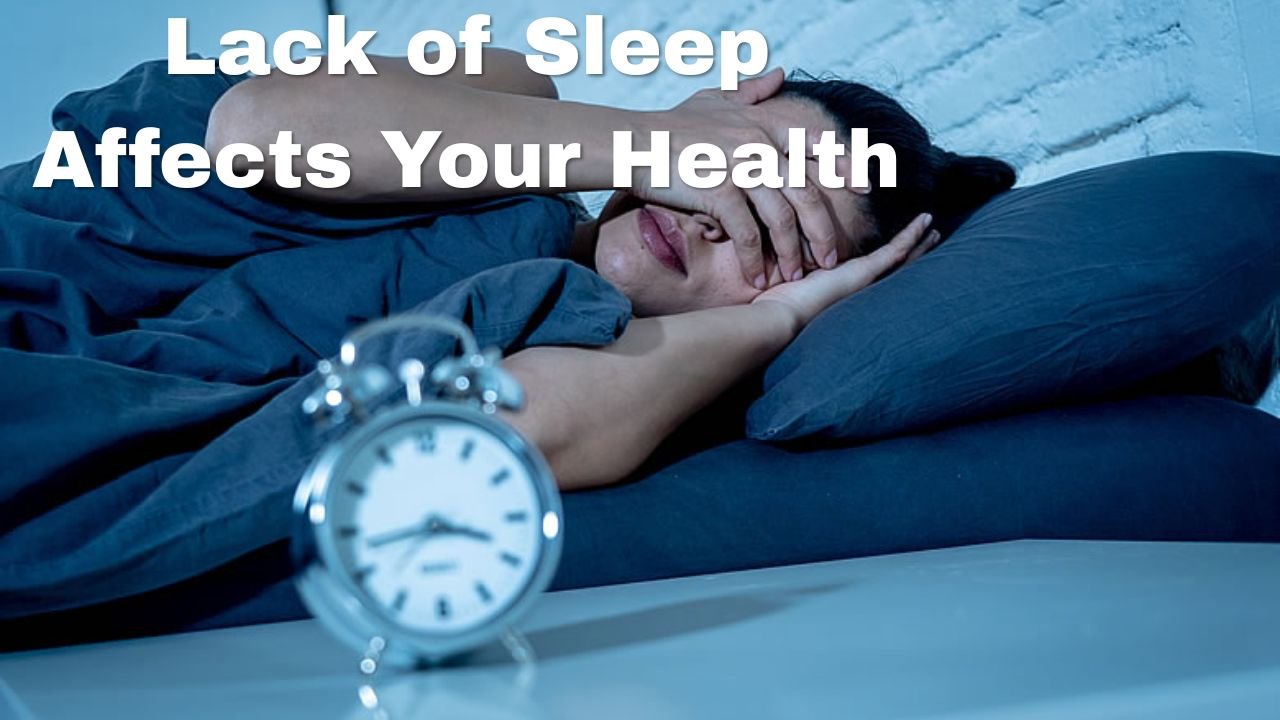
During deep sleep your blood pressure naturally dips by around 10 to 20 percent, giving your cardiovascular system a crucial window to recover. People who consistently sleep less than six hours or who wake frequently through the night never get this dip, and their blood pressure stays elevated around the clock. Poor sleep also raises cortisol levels the next day, creating a cycle that keeps blood pressure high even when nothing else seems wrong.
4. Your kidneys are under silent pressure
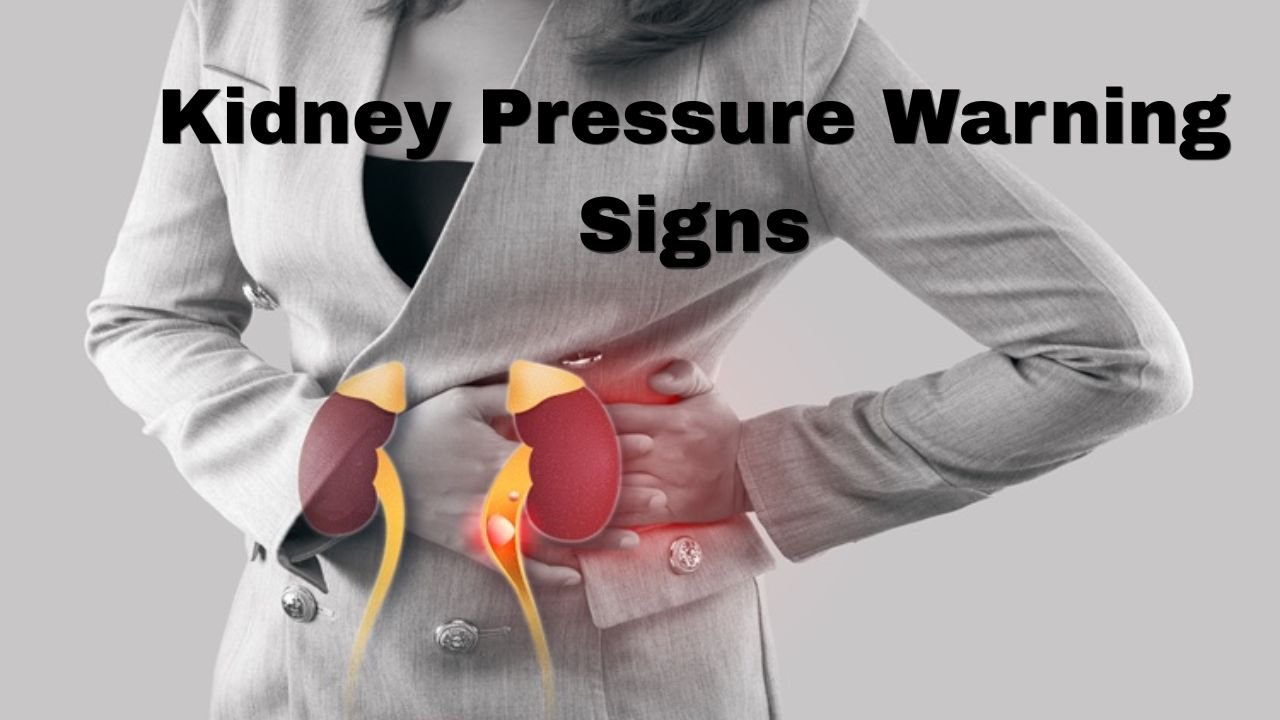
The kidneys play a central role in regulating blood pressure by controlling how much fluid and sodium your body retains, and even mild kidney dysfunction can send blood pressure climbing without any noticeable symptoms. Dehydration, frequent use of painkillers like ibuprofen, and high sugar intake all quietly strain kidney function over time. Most people with early kidney-related blood pressure issues feel completely normal, which is exactly what makes it dangerous.
5. Excess weight around your abdomen is the real problem
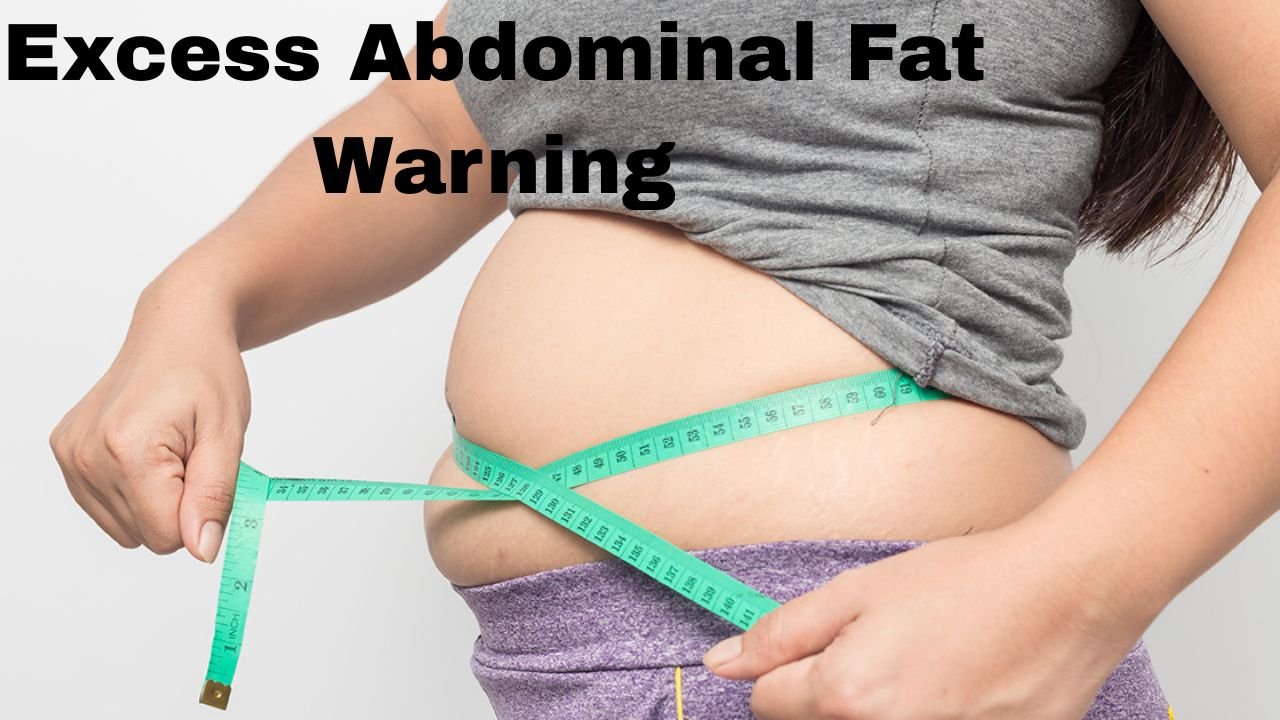
Carrying extra weight, particularly around the midsection, forces your heart to work harder to pump blood through a larger network of tissue and vessels. Belly fat in particular is metabolically active — it releases inflammatory compounds that directly damage blood vessel walls and disrupt the hormones that regulate blood pressure. Even a modest reduction in abdominal fat can produce a measurable drop in blood pressure within weeks.
6. You are drinking more caffeine than your body can handle
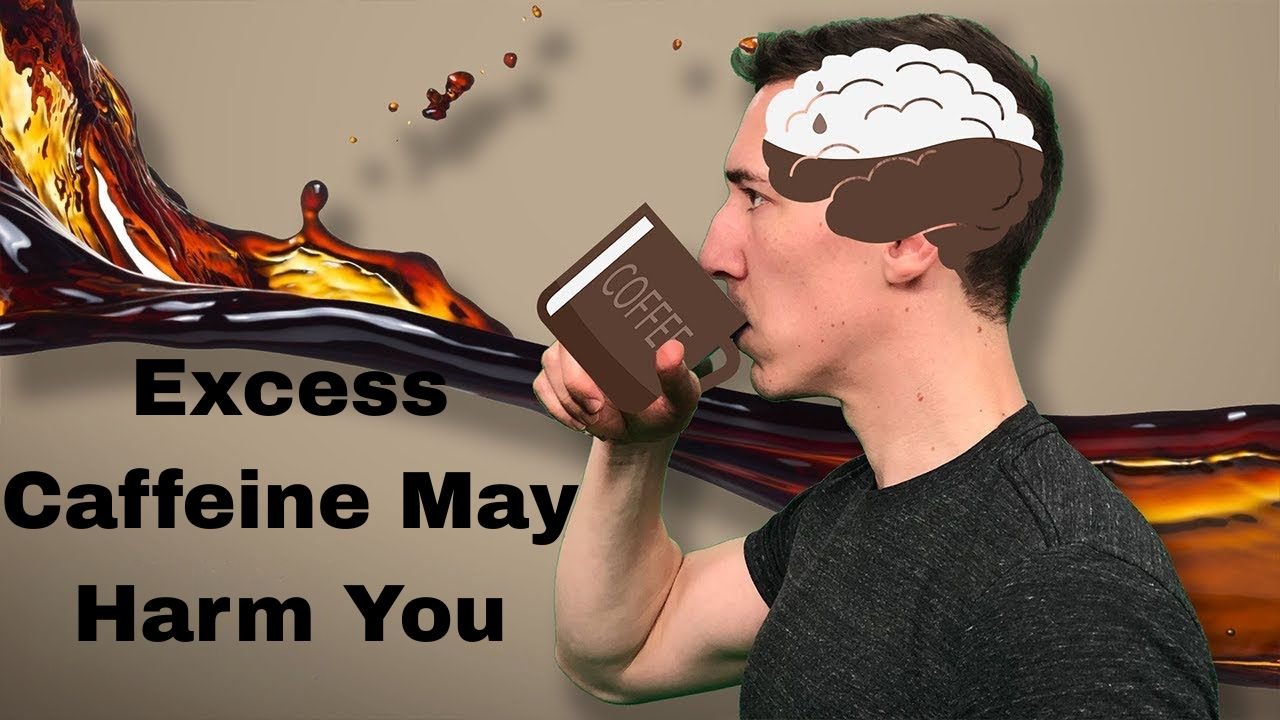
Caffeine causes a short but sharp spike in blood pressure by stimulating your adrenal glands and temporarily narrowing your blood vessels. For people who are sensitive to caffeine or who drink multiple cups throughout the day, this repeated spiking effect keeps average blood pressure higher than it should be. The tricky part is that caffeine sensitivity varies enormously between individuals, so two people drinking the same amount can have very different cardiovascular responses.
7. Alcohol is affecting your blood pressure more than you realize

Even moderate alcohol consumption raises blood pressure, and the effect is dose-dependent — the more you drink, the higher it goes. Alcohol damages the muscles in blood vessel walls, interferes with medications, and disrupts sleep quality, all of which contribute to sustained hypertension over time. Many people are surprised to learn that cutting back on alcohol alone, without any other changes, can lower systolic blood pressure by several points within just a few weeks.
8. You have an undiagnosed thyroid problem
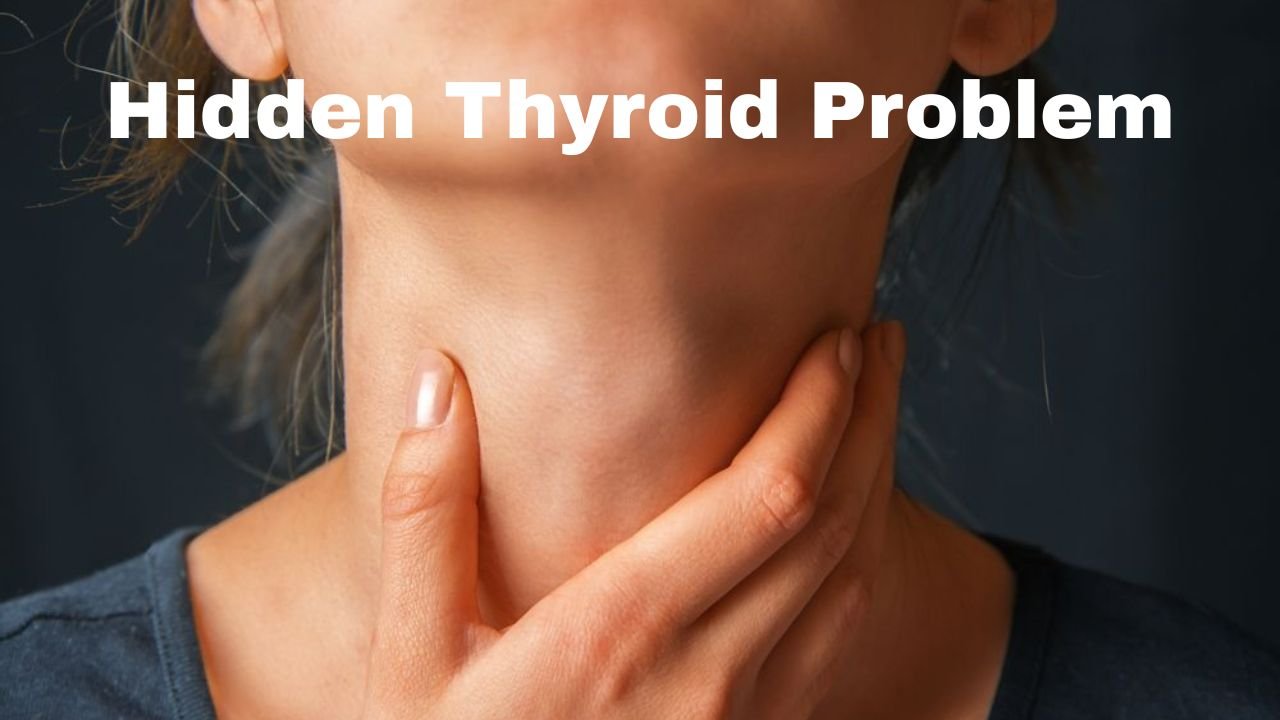
An underactive or overactive thyroid directly affects how hard and how fast your heart beats, and both conditions can push blood pressure in the wrong direction. Thyroid issues are remarkably common, particularly in women, and they often go undetected for years because the symptoms — fatigue, weight changes, mood shifts — are so easy to attribute to other causes. A simple blood test can confirm whether your thyroid is contributing to your blood pressure problem.
9. Loneliness and social isolation raise cardiovascular risk

Research has consistently shown that people who feel chronically lonely have measurably higher blood pressure than those with strong social connections, independent of other lifestyle factors. Loneliness keeps the body in a low-grade stress state, raises inflammatory markers, and disrupts sleep — all of which compound over time into sustained cardiovascular strain. This is one of the least talked about drivers of high blood pressure and one of the most underestimated.
10. Your breathing pattern is contributing to the problem

Most people breathe in a shallow, rapid way throughout the day without realizing it, which keeps the nervous system in a mild state of alertness and prevents blood vessels from fully relaxing. Chronic shallow breathing reduces oxygen efficiency and maintains slightly elevated cortisol, both of which contribute to higher resting blood pressure. Simply slowing your breathing down to six deep breaths per minute for a few minutes a day has been shown in clinical studies to produce a genuine reduction in blood pressure over time.
10 Ways You Can Control Your Blood Pressure at Home
1. Reduce your sodium intake starting with packaged foods

The fastest way to lower sodium without overhauling your entire diet is to start reading labels on the packaged and processed foods you already eat regularly. Choosing low-sodium versions of bread, sauces, and canned goods can cut your daily sodium intake significantly without requiring any major lifestyle change. Most people who do this consistently see a noticeable drop in blood pressure within two to four weeks.
2. Practice slow, deep breathing for five minutes every day
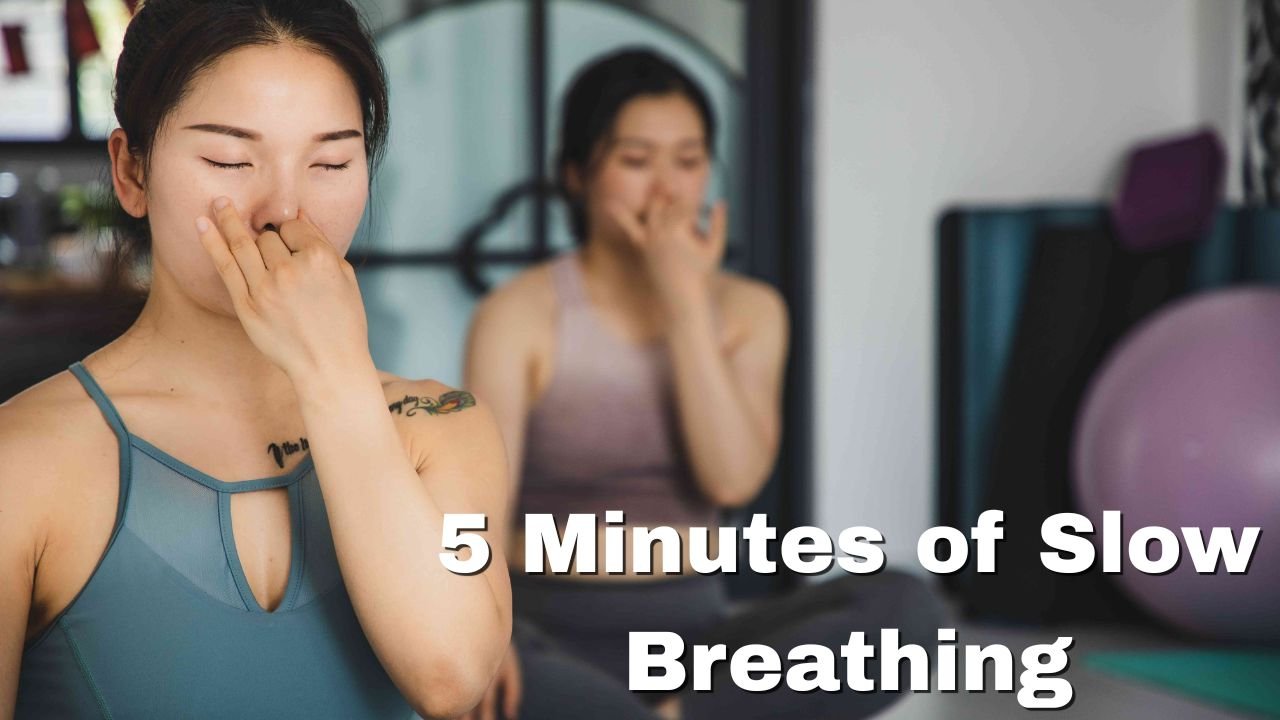
Deliberately slowing your breathing activates the parasympathetic nervous system, which signals your blood vessels to relax and your heart rate to come down. The 4-7-8 technique — inhaling for four counts, holding for seven, exhaling for eight — is particularly effective and requires no equipment, no special setting, and no prior experience. Done consistently once or twice a day, it produces real and measurable reductions in resting blood pressure over time.
3. Add potassium-rich foods to every meal

Potassium directly counteracts the blood-pressure-raising effect of sodium by helping your kidneys excrete more of it through urine. Bananas, sweet potatoes, avocados, spinach, and white beans are all excellent sources that are easy to work into everyday meals without any dramatic dietary changes. Most people eating a modern diet are significantly under-consuming potassium, which is one of the quietest contributors to chronically elevated blood pressure.
4. Walk for 30 minutes at least five days a week

Regular moderate-intensity walking strengthens the heart so it pumps blood with less effort, which directly reduces the pressure exerted on artery walls over time. You do not need to run or join a gym — a brisk daily walk is enough to lower systolic blood pressure by several points when done consistently over weeks. The key is consistency rather than intensity, and even splitting the 30 minutes into shorter sessions throughout the day produces similar cardiovascular benefits.
5. Cut back on alcohol to no more than one drink per day

Reducing alcohol consumption is one of the fastest lifestyle changes that produces a measurable drop in blood pressure, often within days of cutting back. If you currently drink daily or heavily on weekends, simply bringing that down to one standard drink per day or less removes a significant and ongoing stressor from your cardiovascular system. This single change, without altering anything else, has been shown to reduce systolic blood pressure by four to six points on average.
6. Manage stress with a consistent daily wind-down routine

The most effective stress management for blood pressure is not occasional — it needs to be a daily habit that genuinely signals to your nervous system that the threat has passed. A consistent wind-down routine before bed, whether that involves reading, stretching, a warm shower, or quiet time without screens, lowers cortisol levels and allows blood pressure to drop into its natural overnight range. People who build this habit report not just lower blood pressure but significantly better sleep quality within the first two weeks.
7. Lose even five percent of your body weight if you are overweight

You do not need to reach an ideal weight to see blood pressure benefits — research consistently shows that losing just five percent of your current body weight produces a clinically significant reduction in both systolic and diastolic readings. This is because even modest weight loss reduces the workload on your heart, decreases inflammatory fat tissue, and improves how efficiently your kidneys regulate fluid balance. Small, sustainable changes to portion sizes and food quality are far more effective long-term than extreme short-term diets.
8. Drink hibiscus tea regularly

Hibiscus tea contains natural compounds called anthocyanins and other antioxidants that have been shown in multiple clinical trials to lower blood pressure in people with mild to moderate hypertension. Drinking two to three cups per day consistently over several weeks can produce reductions comparable to low-dose medication in some studies, making it one of the most evidence-backed natural approaches available. It is caffeine-free, widely available, and easy to incorporate into a daily routine without any other changes.
9. Check your blood pressure at the same time every morning
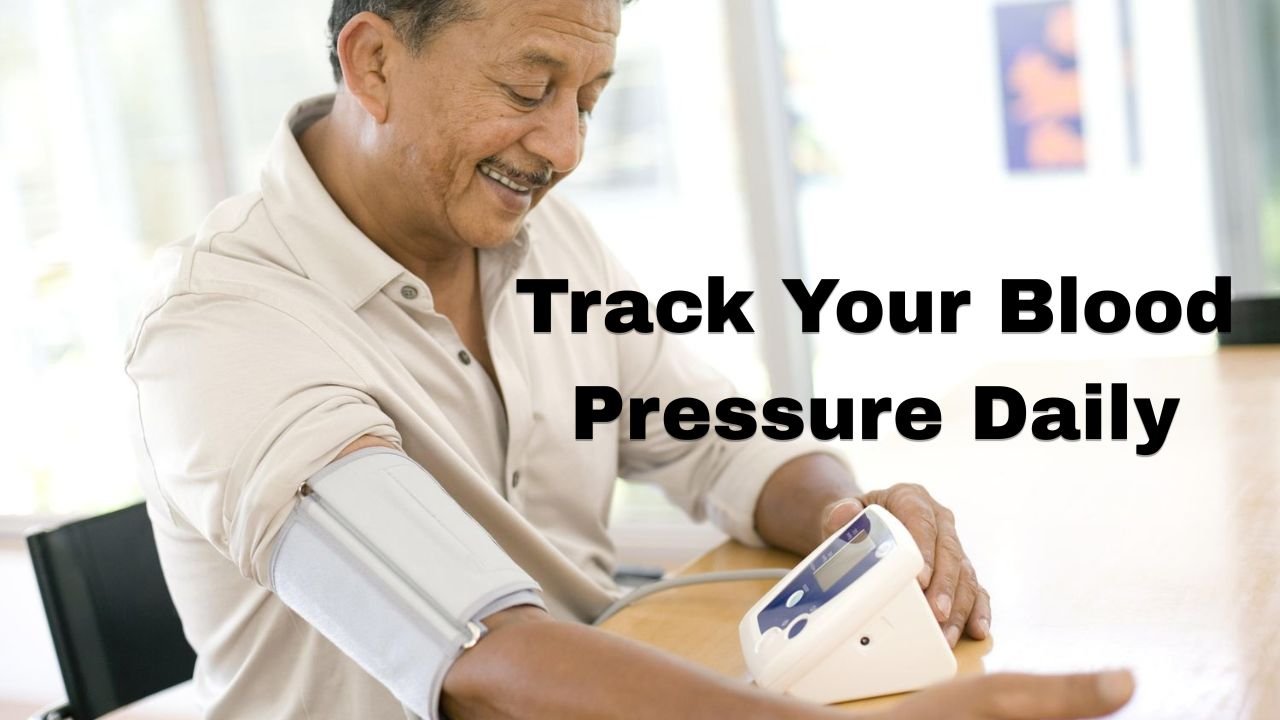
Monitoring your own blood pressure at home gives you far more accurate data than occasional clinic readings, which are often distorted by anxiety or rushing. Taking a reading each morning before eating, drinking coffee, or checking your phone gives you a true baseline that reflects what your cardiovascular system is actually doing day to day. Tracking this consistently over two to three weeks helps you identify patterns, triggers, and whether the lifestyle changes you are making are genuinely working.
10. Fix your sleep before anything else

If your blood pressure is consistently high despite doing everything right during the day, poor sleep quality is very likely the missing piece. Going to bed and waking at the same time every day, keeping your room cool and completely dark, and avoiding screens for at least an hour before sleep are the three changes with the strongest evidence behind them for improving sleep depth and restoring the natural overnight blood pressure dip. Many people who address sleep quality first find that other interventions start working far better as a result.
Disclaimer:
This article is for informational purposes only and is not a substitute for professional medical advice, diagnosis, or treatment. If you are experiencing high blood pressure or any related symptoms, please consult a qualified healthcare provider before making changes to your diet, lifestyle, or medication. Always seek the guidance of a licensed medical professional for any health concerns.