Why Some People Gain Weight Without Eating More

Most people assume weight gain is simply a math problem — eat more than you burn and the scale goes up, eat less and it comes down. But for millions of people around the world, the reality is far more complicated and far more frustrating than that simple equation suggests. You can be eating the same food, the same portions, the same routine as someone else and still watch your weight climb steadily upward while theirs stays exactly the same. The truth is that weight is controlled by a complex network of hormones, gut bacteria, sleep quality, stress levels, and metabolic rate — and when any one of these systems falls out of balance, your body begins storing fat regardless of how carefully you are eating.
10 Reasons You Are Gaining Weight Without Eating More
1. Your thyroid is not producing enough hormones

The thyroid gland controls your entire metabolic rate, and when it becomes underactive — a condition called hypothyroidism — your body simply burns calories at a much slower pace than it should. Everything slows down: digestion, heart rate, energy production, and fat breakdown, which means the same meal that your body used to process efficiently now gets stored instead. Hypothyroidism is extremely common, particularly in women over 30, and it often goes undiagnosed for years because the weight gain creeps up so gradually that it feels like normal aging.
2. Your cortisol levels are chronically elevated
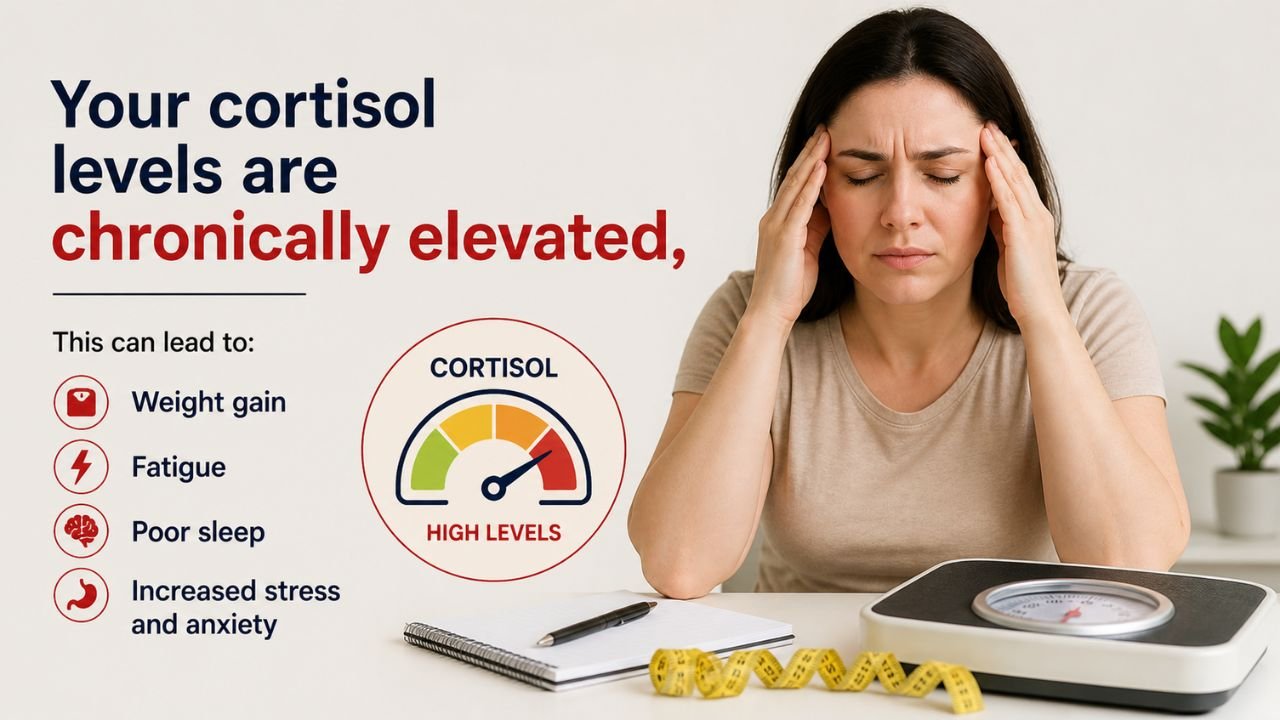
Cortisol is your body’s primary stress hormone, and when life keeps you in a constant state of pressure, worry, or overwhelm, cortisol stays elevated around the clock rather than spiking and dropping as it should. High cortisol directly signals your body to store fat, particularly around the abdomen, and it simultaneously increases cravings for calorie-dense foods even when you are not genuinely hungry.
3. Your insulin is not working the way it should
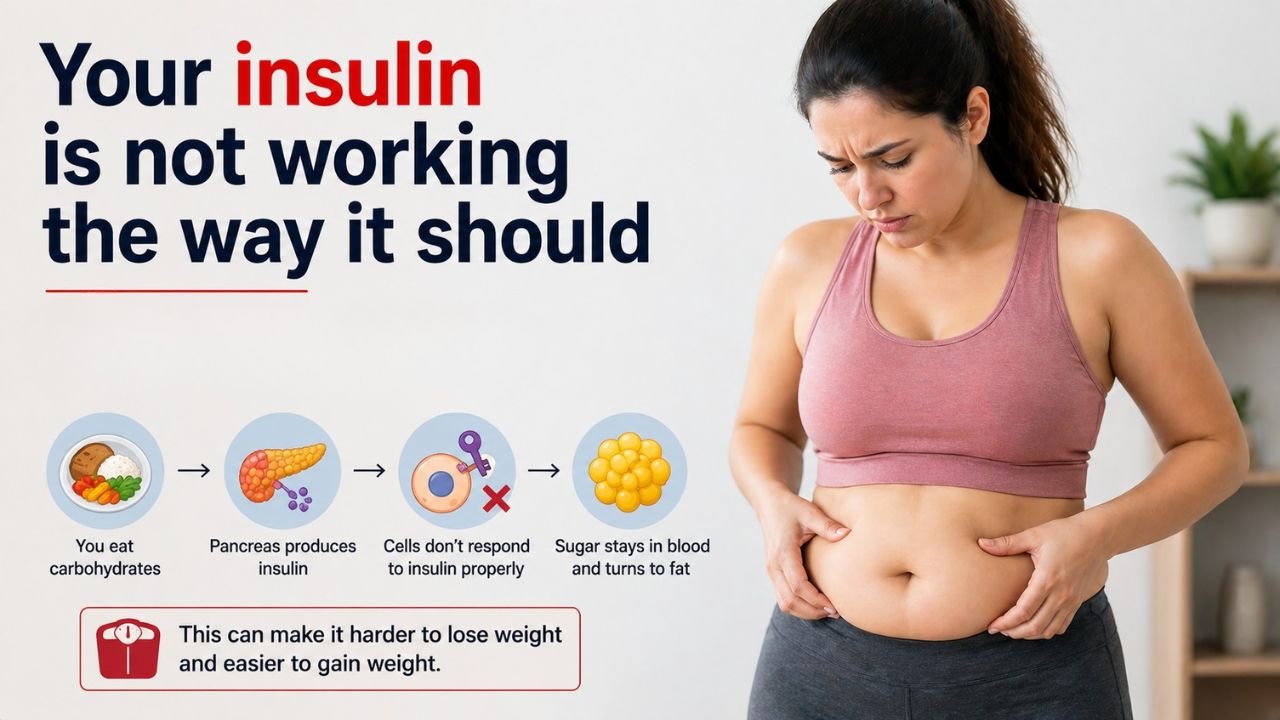
Insulin resistance is one of the most common and least discussed causes of unexplained weight gain, and it develops gradually over years of blood sugar fluctuations, poor sleep, and chronic stress. When your cells stop responding properly to insulin, your pancreas compensates by producing more of it, and high insulin levels lock fat inside your fat cells and prevent your body from burning stored energy even between meals. Many people with insulin resistance feel constantly hungry, gain weight despite eating normally, and have no idea their insulin signaling is the root cause.
4. Your gut microbiome is out of balance

The trillions of bacteria living in your digestive tract play a surprisingly powerful role in determining how many calories you extract from food, how efficiently fat is stored, and how your hunger hormones behave. People with a less diverse gut microbiome tend to extract more energy from the same amount of food compared to people with a healthy bacterial balance, which means two people eating identical meals can absorb meaningfully different numbers of calories. Antibiotic use, high sugar intake.
5. You are not sleeping enough and it is changing your hormones

Sleep deprivation does not just make you tired — it triggers a hormonal cascade that directly promotes fat storage and increases appetite. When you sleep less than seven hours, your body produces more ghrelin, the hormone that makes you hungry, and less leptin, the hormone that signals fullness, which means you feel hungrier than normal even if your calorie intake has not changed.
6. Your medications are working against your metabolism

A surprisingly wide range of commonly prescribed medications list weight gain as a side effect, including antidepressants, beta blockers, corticosteroids, antihistamines, birth control pills, and certain diabetes medications. These drugs can slow metabolism, increase water retention, stimulate appetite, or directly affect how fat is stored and distributed in the body.
7. You are losing muscle mass as you age

After the age of 30, the body naturally begins losing muscle tissue at a rate of roughly three to five percent per decade unless active steps are taken to preserve it. Muscle is metabolically expensive — it burns calories even at rest — so as muscle mass declines, your resting metabolic rate drops alongside it, meaning your body now needs fewer calories to function and begins storing the excess as fat. This process is silent and gradual, which is why so many people find that the diet and habits that kept them lean in their twenties stop working entirely in their late thirties and forties.
8. Your liver is under strain and storing more fat

The liver is responsible for processing and breaking down dietary fat, regulating blood sugar, and filtering toxins — and when it becomes overloaded or inflamed, it begins storing fat within its own tissue and throughout the body instead of metabolizing it efficiently. Non-alcoholic fatty liver disease is now one of the most common liver conditions in the world, affecting people who rarely or never drink alcohol, and it is directly linked to insulin resistance, processed food consumption, and sedentary behavior. Many people with early liver strain feel perfectly normal while their body quietly shifts into fat storage mode.
9. Your estrogen or progesterone levels have shifted

Hormonal fluctuations during perimenopause, menopause, or even as part of a normal monthly cycle can cause noticeable changes in how the body distributes and stores fat. Falling estrogen levels in particular are associated with a shift in fat storage from the hips and thighs toward the abdomen, and they also reduce the body’s ability to use insulin effectively. Men are not exempt either — declining testosterone levels with age produce a very similar effect, slowing metabolism and encouraging fat accumulation in the midsection even without any increase in food intake.
10. Your body has adapted to your current routine and stopped responding

The human body is remarkably efficient at adapting to repeated patterns, which means the same walk, the same workout, or the same eating routine that produced results six months ago may now produce almost none. This metabolic adaptation is a survival mechanism — your body learns to do more with less — but it works against anyone trying to maintain or lose weight over the long term. When adaptation sets in, the scale stops moving not because something is wrong but because your body has simply become too good at the routine you are asking it to repeat.
10 Ways to Fix or Manage Unexplained Weight Gain
1. Get a full hormonal blood panel done first

Before trying any diet or exercise change, the single most valuable thing you can do is get a comprehensive blood test that includes thyroid function, fasting insulin, cortisol, estrogen, testosterone, and vitamin D levels. Trying to lose weight with an undiagnosed thyroid problem or insulin resistance is like trying to drive with the handbrake on — the effort goes in but the results never come. Understanding what your hormones are actually doing gives you a roadmap that guesswork simply cannot provide.
2. Prioritize protein at every single meal
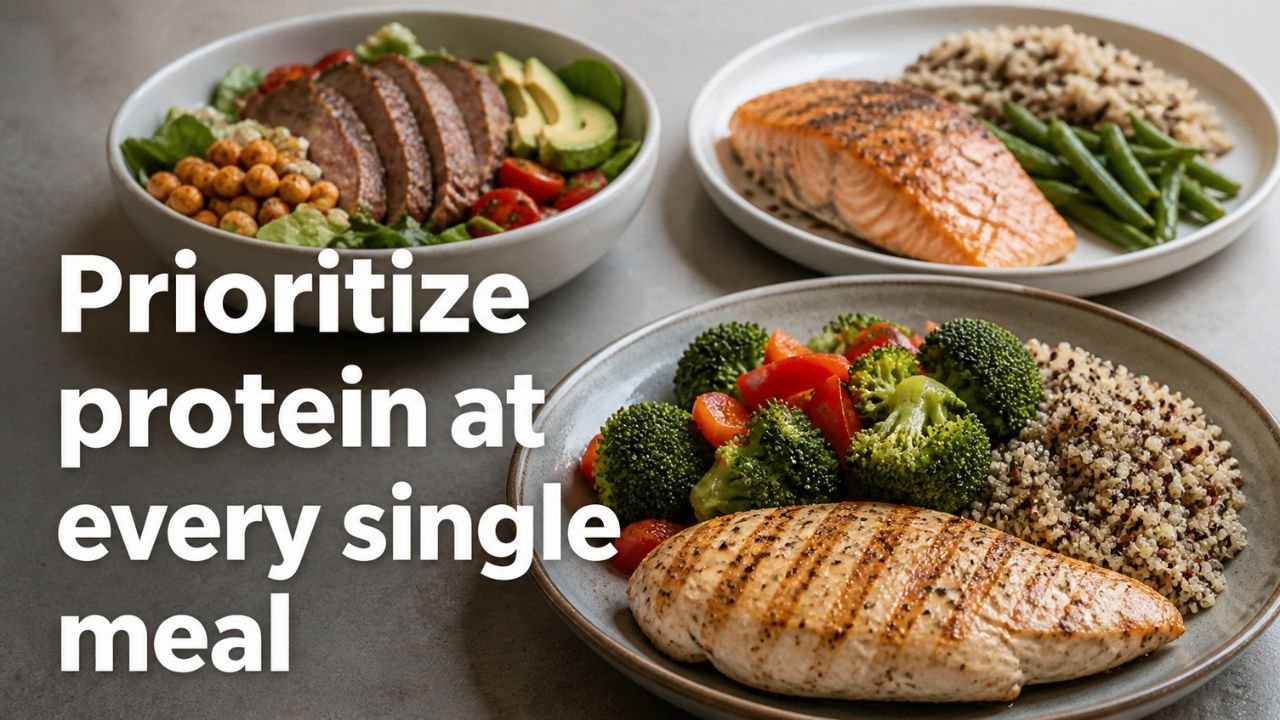
Protein has the highest thermic effect of any macronutrient, meaning your body burns more calories just digesting it compared to fat or carbohydrates. It also preserves muscle mass during weight loss, keeps you full for longer, and reduces the blood sugar spikes that drive insulin-related fat storage. Aiming for 25 to 35 grams of protein at each meal — through eggs, legumes, fish, chicken, or Greek yogurt — is one of the most effective metabolic interventions available without any prescription required.
3. Strength train at least twice a week

Building and preserving muscle mass is the most powerful long-term strategy for keeping your metabolism high as you age. Muscle tissue burns three times more calories at rest compared to fat tissue, which means even a modest increase in muscle mass raises your baseline calorie burn around the clock. You do not need heavy weights or a gym membership — consistent bodyweight exercises like squats, lunges, and push-ups performed twice a week are enough to produce meaningful metabolic benefits over time.
4. Fix your sleep before adjusting your diet

If you are sleeping less than seven hours or waking frequently through the night, no diet or exercise plan will work as well as it should because your hunger hormones will be working against you every single day. Going to bed and waking at consistent times, keeping your bedroom fully dark and slightly cool, and avoiding screens for an hour before sleep are the three evidence-backed changes that most reliably improve sleep quality.
5. Eat in a way that supports your gut bacteria

A diverse gut microbiome is one of the most underrated factors in weight management, and feeding it well costs almost nothing. Adding fermented foods like plain yogurt, kefir, kimchi, or sauerkraut alongside fiber-rich vegetables, legumes, and whole grains creates an internal environment where beneficial bacteria thrive and calorie extraction from food becomes more efficient.
6. Reduce chronic stress through daily non-negotiable habits

Stress management for weight control is not optional — chronically elevated cortisol will undo almost every other effort you make. The most effective approach is not a single big stress-relief activity but rather small daily habits that consistently bring your nervous system back down, such as five minutes of deep breathing in the morning, a short walk after work, or ten minutes of quiet reading before bed.
7. Cut liquid calories and hidden sugars completely

Fruit juices, flavored coffees, energy drinks, sweetened teas, and alcohol are among the most common sources of calories that people consume daily without counting or even noticing. These liquid calories do not trigger the same fullness signals as solid food, meaning they add to your total intake without reducing hunger, and the sugar they contain drives insulin spikes that promote fat storage throughout the day. Simply replacing these with water, plain sparkling water, or unsweetened tea eliminates a significant source of metabolic disruption without requiring any willpower around actual food.
8. Break up long periods of sitting every hour

Sitting for extended periods suppresses an enzyme called lipoprotein lipase that is responsible for fat metabolism, and this suppression happens independently of whether you exercise in the morning or evening. Getting up and moving for just two to five minutes every hour — walking to another room, doing a few standing stretches, or climbing a flight of stairs — reactivates this enzyme and keeps your metabolism from shutting down during the hours you spend at a desk. Research shows this habit produces measurable metabolic benefits even in people who already exercise regularly.
9. Address insulin resistance through meal timing

Eating within a consistent window of eight to ten hours and avoiding food for at least two to three hours before bed gives your insulin levels time to drop fully between meals, which allows your body to switch into fat-burning mode rather than staying in storage mode around the clock. This approach, often called time-restricted eating, does not require counting calories or cutting food groups — it simply works with your body’s natural metabolic rhythm rather than against it.
10. Track patterns for two weeks rather than calories

Instead of obsessively counting every calorie, spend two weeks simply noting how you feel after different meals, how your sleep affects your hunger the next day, and which situations trigger cravings that have nothing to do with actual hunger. This kind of pattern awareness is far more actionable than calorie math because it reveals the specific personal triggers — a bad night of sleep, a stressful afternoon, a skipped meal.
Disclaimer: This article is for informational purposes only and is not a substitute for professional medical advice, diagnosis, or treatment. If you are experiencing unexplained weight gain or suspect an underlying health condition, please consult a qualified healthcare provider before making changes to your diet, lifestyle, or medication. Always seek guidance from a licensed medical professional for any personal health concerns.