This Common Symptom Could Signal High Blood Sugar
Most people never suspect high blood sugar until a doctor tells them, yet their body has been sending signals for months — sometimes years — before a diagnosis ever happens. The frustrating part is that the most common symptoms like constant thirst, unexplained tiredness, or blurry vision are so easy to blame on stress, poor sleep, or a busy lifestyle that they get ignored completely. What makes it even more concerning is that a normal fasting blood sugar should sit between 70 and 99 mg/dL, but millions of people are walking around well above that range without realizing it — anything between 100 and 125 mg/dL already puts you in the prediabetes zone, and crossing 126 mg/dL means diabetes is no longer a future risk but a present reality.
13 Signs Your Blood Sugar Might Be Too High
1. Feeling thirsty all the time

No matter how much water you drink, the thirst does not go away. High blood sugar pulls fluid from your body’s tissues, which triggers your kidneys to work harder and leaves you feeling constantly dehydrated. It is one of the earliest and most overlooked signals.
2. Needing to urinate very frequently

Your kidneys are trying to flush out the excess sugar through urine, which means more trips to the bathroom, especially at night. This cycle of drinking more and urinating more is a classic early pattern that many people mistake for a minor bladder issue.
3. Unusual fatigue that does not improve with rest

When your cells cannot absorb glucose properly, they are essentially being starved of energy even when your blood is flooded with sugar. This leads to a deep kind of tiredness that sleep does not fix and that can affect your ability to focus or get through a normal day.
4. Blurry or shifting vision

High blood sugar causes fluid to shift in and out of the lens of your eye, which temporarily changes its shape and affects how clearly you see. This kind of blurriness can come and go, which is exactly why many people dismiss it rather than connecting it to blood sugar.
5. Unexplained weight loss

When the body cannot use glucose for fuel, it begins breaking down fat and muscle instead. This can cause noticeable weight loss even when your appetite has actually increased, and it tends to happen gradually enough that people do not connect it to blood sugar right away.
6. Headaches that keep coming back

Frequent or recurring headaches, especially in the morning, can be linked to fluctuating blood sugar levels. The brain is very sensitive to changes in glucose, and when levels rise or fall rapidly, it often responds with pain or pressure that feels like a tension headache.
7. Increased hunger even after eating
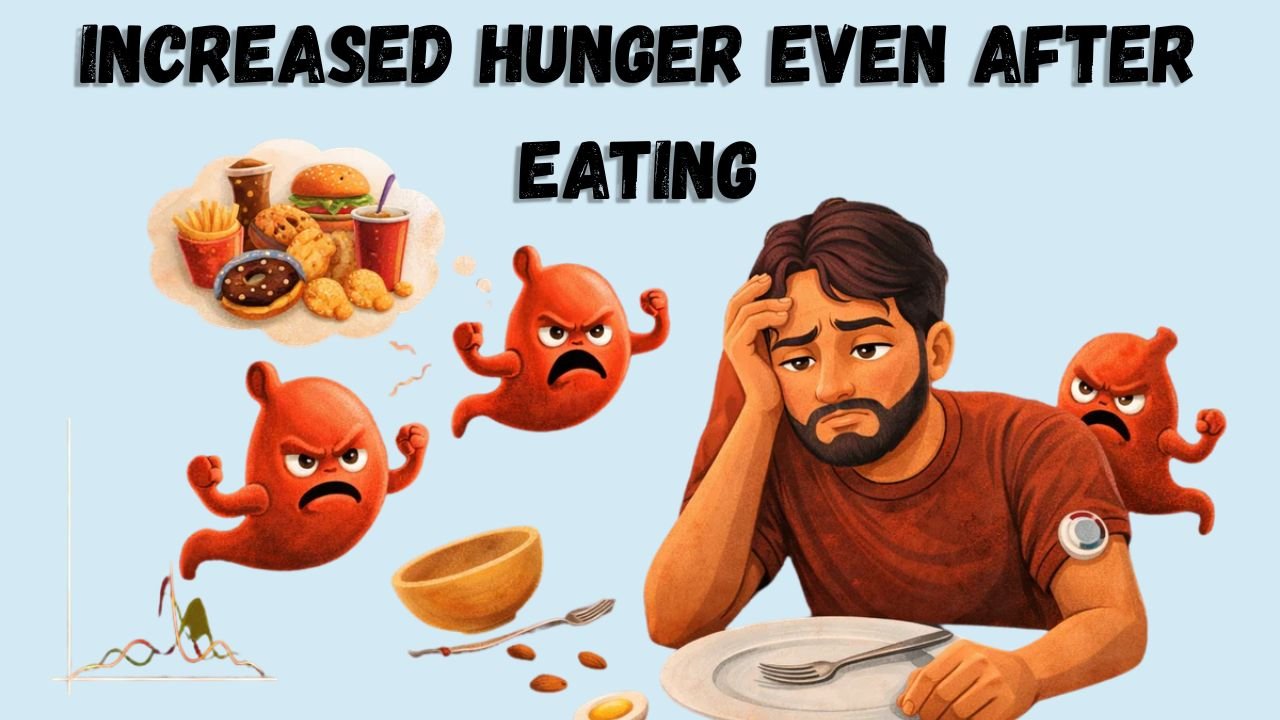
Because your cells are not getting the glucose they need for energy, your body keeps sending hunger signals even when you have just finished a full meal. This is not about willpower or appetite — it is your body communicating a deeper imbalance.
8. Tingling or numbness in hands and feet

Prolonged high blood sugar can begin to affect nerve function, particularly in the extremities. A tingling, pins and needles, or numb feeling in your fingers or feet is a sign that needs attention, as nerve damage from blood sugar tends to progress gradually over time.
9. Dry skin and frequent infections

High glucose levels reduce your body’s ability to fight off bacteria and fungi, making skin infections, yeast infections, or even gum problems more common. Skin also tends to become dry and itchy because of dehydration caused by excess urination.
10. Dark patches of skin around the neck or underarms

A condition called acanthosis nigricans causes the skin in body folds like the neck, groin, or armpits to become darker and slightly thickened. It is directly linked to insulin resistance and is one of the more visible physical signs that blood sugar regulation may be off.
11. Slow or difficult digestion

High blood sugar over time can affect the nerves that control the stomach and digestive tract, leading to bloating, nausea, or a feeling of fullness long after eating. Many people live with this discomfort for years without realizing it has a connection to glucose levels.
12. Difficulty concentrating or brain fog

The brain depends heavily on a steady supply of glucose, and when levels are too high or unstable, cognitive function can suffer. Many people describe this as feeling mentally sluggish, forgetting things easily, or struggling to stay focused even on simple tasks.
13. Recurring gum problems or mouth infections

High blood sugar creates an environment where bacteria thrive, which is why the mouth is often one of the first places the effects show up. Swollen, bleeding, or tender gums, along with frequent mouth ulcers, can be an early and easy-to-miss indicator of elevated blood glucose.
13 Ways You Can Manage Blood Sugar at Home
1. Cut back on refined carbohydrates and added sugar

White bread, sugary drinks, packaged snacks, and desserts cause rapid spikes in blood glucose. Swapping these for whole grains, vegetables, and fiber-rich foods helps your body absorb sugar more slowly and keeps levels steadier throughout the day.
2. Walk for at least 20 to 30 minutes after meals

Physical activity helps your muscles absorb glucose from the blood without needing insulin, which directly lowers blood sugar. Even a gentle walk after eating can make a noticeable difference in post-meal levels and is one of the simplest habits you can build.
3. Drink more water throughout the day

Staying well-hydrated helps your kidneys flush out excess sugar through urine more efficiently. Replacing sugary drinks, juices, and sodas with plain water is a small shift that has a meaningful impact on blood sugar management over time.
4. Prioritize sleep and manage stress

Poor sleep and chronic stress both trigger cortisol, a hormone that raises blood sugar levels. Getting seven to eight hours of sleep and finding ways to unwind — whether through deep breathing, a short walk, or quiet time — actively supports better glucose control.
5. Eat smaller, more balanced meals

Large meals cause bigger blood sugar spikes, while smaller portions spread through the day keep levels more stable. Pairing carbohydrates with protein, healthy fat, or fiber at every meal slows the rise in blood sugar and keeps you full longer.
6. Try apple cider vinegar before meals

Some research suggests that taking a small amount of diluted apple cider vinegar before a carbohydrate-heavy meal can help reduce the spike in blood sugar. One to two teaspoons mixed in a glass of water before eating is the most commonly used approach.
7. Increase fiber in your diet

Foods high in fiber — like lentils, beans, oats, leafy greens, and nuts — slow down digestion and reduce how quickly sugar enters the bloodstream. Fiber also supports gut health, which is increasingly linked to better blood sugar regulation.
8. Dim your lights and avoid screens one hour before bed

Blue light from phones and laptops at night suppresses melatonin, and low melatonin directly interferes with how your pancreas releases insulin overnight. People who use screens right up until they sleep consistently show higher fasting blood sugar the next morning compared to those who wind down in dim light — it has nothing to do with what you ate and everything to do with light exposure.
9. Get your vitamin D levels checked and corrected

Vitamin D deficiency is surprisingly common and is strongly linked to insulin resistance and poor blood sugar regulation. Most people living indoors or in less sunny climates are running low without knowing it, and simply correcting a deficiency through sunlight exposure or a supplement can meaningfully improve how your body responds to glucose.
10. Add cinnamon to your daily routine

Cinnamon has been studied for its ability to improve insulin sensitivity and slow the absorption of carbohydrates in the digestive tract. Stirring half a teaspoon into your morning oats, coffee, or yogurt is a simple and natural way to support steadier blood sugar levels.
11. Reduce sitting time and move more through the day

Even without a formal workout, breaking up long periods of sitting with short bursts of movement every hour has been shown to lower post-meal blood sugar. Standing up, stretching, or walking for just five minutes at regular intervals adds up significantly by the end of the day.
12. Eat more magnesium-rich foods

Magnesium plays a direct role in insulin function, and a deficiency is closely linked to poor blood sugar control. Foods like pumpkin seeds, spinach, black beans, and dark chocolate are rich in magnesium and easy to incorporate into regular meals without major dietary changes.
13. Say Not to alcohol, especially on an empty stomach

Alcohol interferes with the liver’s ability to regulate blood sugar and can cause unpredictable spikes or drops depending on what you eat alongside it. Drinking on an empty stomach is particularly risky, as there is no food to buffer the impact on glucose levels.
Disclaimer: This article is for informational purposes only and is not a substitute for professional medical advice, diagnosis, or treatment. If you are experiencing symptoms of high blood sugar or have concerns about your health, please consult a qualified healthcare provider. Do not make changes to any medication or treatment plan without speaking to a doctor first.